Wormwood as a Digestive Bitter: Mechanisms, Traditional Use, and Current Evidence
Overview of wormwood’s traditional role as a digestive bitter, its proposed mechanisms via bitter taste receptors, safety concerns, and the limited clinical evi

Overview of wormwood’s traditional role as a digestive bitter, its proposed mechanisms via bitter taste receptors, safety concerns, and the limited clinical evi
Evidence-based review of wormwood’s antimicrobial effects, mechanisms, and safety considerations based on phytochemical and microbiological studies.
Learn who should avoid wormwood (Artemisia absinthium) due to thujone neurotoxicity, pregnancy risks, drug interactions, and seizure potential.
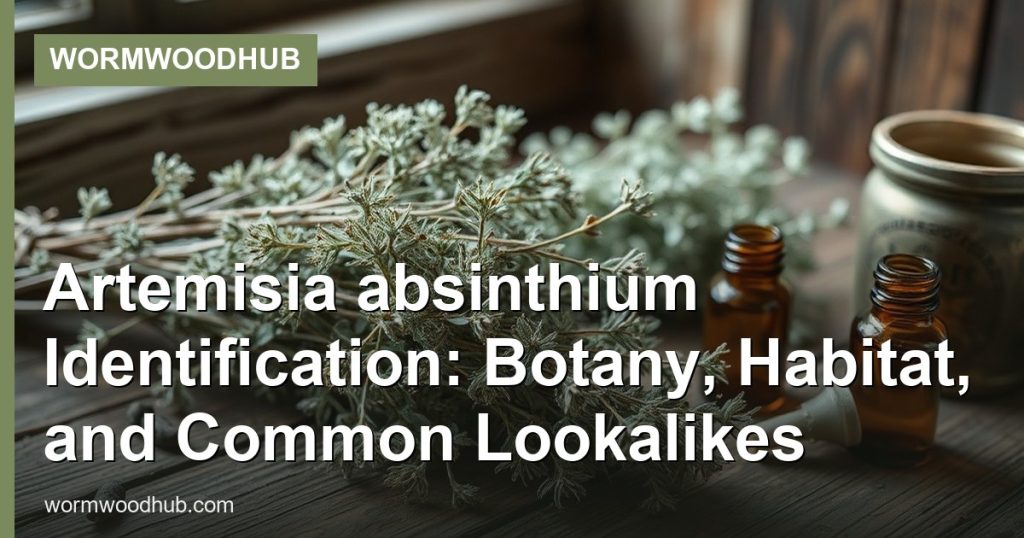
Learn to identify Artemisia absinthium (wormwood) by its botanical features, preferred habitats, and distinguishing traits from similar Artemisia species.
Wormwood and clove are often paired in parasite-cleanse kits, but their proposed roles differ. An honest look at the evidence, mechanisms, and cautions.
Wormwood’s thujone content makes safety a matter of dose, duration, and preparation. Here’s what the toxicology and history actually show.
Wormwood (Artemisia absinthium) has anthelmintic activity in lab and animal studies. Here’s what the actual evidence covers, and what it doesn’t.
Wormwood and artemisinin come from different Artemisia species with distinct evidence, risks, and uses. Learn what separates them.
A cautious, evidence-based look at wormwood (Artemisia absinthium) dosage forms, thujone risks, and why short-course, professional guidance matters.
A look at the veterinary and lab-animal evidence on wormwood (Artemisia absinthium) against parasites, and why it doesn’t translate directly to humans.
A look at wormwood’s traditional use for fevers, what animal studies show, and why the human evidence is still thin.
A look at the double-blind trials testing Artemisia absinthium (wormwood) for Crohn’s disease, what they measured, and the real limits of the evidence.