Wormwood and artemisinin get lumped together constantly in supplement marketing, and it’s an easy mix-up to make: both come from Artemisia species, both show up in “natural antiparasitic” conversations, and both have a long history tied to fevers and infection. But they are not interchangeable. Wormwood usually refers to Artemisia absinthium, the bitter herb famous for flavoring absinthe and vermouth and used traditionally for digestive complaints and intestinal worms. Artemisinin is a specific compound isolated from a different plant, Artemisia annua (sweet wormwood), and it is a validated, frontline pharmaceutical treatment for malaria.
The confusion matters because the two have very different safety profiles and very different levels of supporting evidence. This article lays out what each actually is, what the proposed mechanisms are, where the research is solid versus thin, and why treating a wormwood extract capsule and a clinical antimalarial the same way is a mistake. This is informational content, not medical advice, and it should not be used to self-diagnose or self-treat a suspected parasitic infection or malaria.
Key Takeaways
- Wormwood (Artemisia absinthium) and artemisinin (from Artemisia annua) are different plants with different active compounds, despite the shared genus and overlapping “wormwood” naming.
- Artemisinin is a clinically validated antimalarial drug with real pharmacokinetic and trial data [1] [2]; consumer artemisinin supplements are not held to the same standard and have shown labeling inconsistencies [3].
- Wormwood’s anti-parasitic reputation rests mainly on traditional use and in-vitro/animal data involving sesquiterpene lactones, not large human trials.
- Wormwood contains thujone, a neurotoxic compound requiring thujone-controlled extracts and short-course use only; it’s contraindicated in pregnancy/breastfeeding and can interact with liver-metabolized medications.
- Neither should replace medical diagnosis or treatment for a suspected parasitic infection or malaria.
Two Different Plants, Two Different Chemistries
Artemisia absinthium (wormwood) and Artemisia annua (sweet wormwood) are related species in the same genus, but they produce different primary active compounds. Wormwood’s traditional bitter and reputed anti-parasitic effects have been attributed to sesquiterpene lactones such as absinthin and artabsin, along with volatile oil constituents. Sesquiterpene lactones as a broader class have been studied for various biological activities, including antidiabetic potential, though that research is largely preclinical and not specific to wormwood’s traditional parasite claims [4].
Artemisinin, isolated from Artemisia annua, is a structurally distinct compound with a well-established mechanism against the malaria parasite and decades of clinical use behind it. The two plants sharing a genus name, and sharing the word “wormwood” in casual English, is largely a coincidence of naming and traditional use overlap, not a sign that they work the same way or can substitute for each other.

What Artemisinin Actually Is (and Isn't)
Artemisinin and its derivatives are core components of artemisinin-based combination therapies (ACTs), the World Health Organization’s recommended first-line treatment for uncomplicated malaria. This is a drug with real pharmacokinetic data, including specific research on how it behaves in vulnerable populations like pregnant patients [1], and it has been studied across a wide range of clinical trial designs and patient populations with malaria [2].
That clinical pedigree does not automatically transfer to over-the-counter “artemisinin supplements” sold for general wellness, immune support, or parasite cleanses. Supplement-grade artemisinin products are not regulated or dosed like a prescription antimalarial, and quality control varies. A 2025 analysis of artemisinin supplements marketed for use in dogs found meaningful problems with product consistency and labeling accuracy [3] — a useful reminder that a compound’s real pharmaceutical pedigree doesn’t guarantee that a bottle labeled with its name actually delivers what it claims, in humans or animals.
It’s also worth noting that antimalarial treatment protocols involve other considerations beyond the drug itself, such as folic acid supplementation status in patients on antifolate antimalarials [5] — a detail relevant to malaria treatment specifically, and another sign of how clinically supervised and dose-specific real antimalarial therapy is, in contrast to a supplement taken without medical oversight.
What Wormwood Extract Actually Is (and Isn't)
Wormwood extract, by contrast, is a traditional bitter herb preparation. Its historical uses span digestive stimulation, fever reduction, and expelling intestinal worms, and it’s most widely recognized today as a flavoring in absinthe and vermouth. The proposed anti-parasitic mechanism, disruption of parasite membranes and metabolism by sesquiterpene lactones and volatile oils, is plausible based on in-vitro work, but the human evidence base for wormwood specifically is thin. Much of what’s cited in favor of wormwood’s anti-parasitic effects comes from traditional use, in-vitro assays, and animal studies, not large randomized controlled trials in humans.

This is an important gap: a compound showing activity against a parasite in a petri dish is a starting point for research, not proof that a supplement capsule will clear an infection in a person. Wormwood should not be treated as a substitute for diagnosed, treated parasitic or malarial infection.
Safety: Where the Two Diverge Sharply
Wormwood’s most important safety issue is thujone, a compound in the plant that is neurotoxic and can trigger seizures at high doses or with prolonged use. For this reason, wormwood extracts intended for consumption should be thujone-controlled and used only for short courses, never as an ongoing daily supplement. Wormwood is also contraindicated in pregnancy and breastfeeding, and it can interact with anticonvulsants, antidepressants, and other drugs metabolized by the liver.
Artemisinin-based antimalarials, while serious medications with their own risk profile (pregnancy-specific pharmacokinetic considerations have been studied directly [1]), are used under clinical supervision with established dosing. Wormwood supplements sold directly to consumers typically come with none of that oversight, no confirmed thujone content on many labels, and no clinician checking for interactions. That asymmetry, a monitored drug versus an unregulated bitter herb extract, is the practical heart of why these two should never be treated as interchangeable “natural antimalarial” options.
Why the Confusion Persists in Marketing
Supplement marketing frequently borrows the credibility of artemisinin’s real pharmaceutical track record to sell wormwood products, or vice versa, by leaning on the shared “Artemisia” and “wormwood” naming. This is a common pattern in botanical supplement marketing generally: a genus with one well-studied, clinically validated compound lends an aura of legitimacy to related but chemically distinct species with far less human evidence.
It’s also worth remembering that Artemisia-derived compounds are an active area of broader biomedical research well outside antiparasitic use, including experimental work in cancer treatment delivery systems [6]. That kind of research activity shows the genus is scientifically interesting, but it doesn’t mean every product carrying an Artemisia name has equivalent evidence behind it for parasites or malaria.
Practical Takeaway on Sourcing and Labeling
If someone specifically wants a product containing artemisinin (rather than wormwood), label review matters: confirm the plant source is Artemisia annua, check for third-party testing, and understand that consumer-market products are not equivalent to pharmaceutical-grade ACTs, a distinction underscored by inconsistency found in supplement-market analyses [3]. If someone is looking at a traditional wormwood product, thujone content and course duration matter more than any parasite-specific claim on the label.
🛒 Where to Buy Wormwood (Artemisia absinthium)
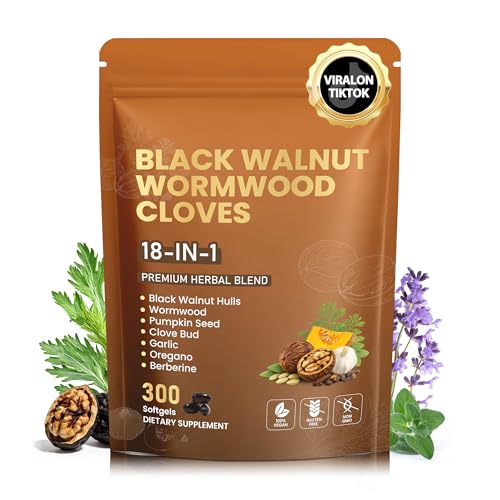
- CleanseParasites Herbal Parasite Cleanse Powder Editor’s Pick
Contains wormwood alongside black walnut hull, cloves, and other traditional parasite-cleanse herbs. - Herb Pharm Intestinal Tract Defense with Wormwood
liquid, 1 fl oz — A Herb Pharm herbal formula containing wormwood extract, not a single-herb wormwood tincture - AlchePharma Organic Wormwood Capsules
capsules, 90 vegan capsules — Single-herb organic Artemisia absinthium, non-GMO and gluten-free - Nature’s Answer Black Walnut and Wormwood Alcohol-Free Extract
liquid, 2 fl oz, 2,000 mg per serving — Alcohol-free dropper extract; a black walnut and wormwood combination, not single-herb wormwood - Frontier Co-op Wormwood Herb, Cut and Sifted
cut and sifted dried herb, 16 oz bulk bag — Bulk dried herb for traditional tea preparation, kosher certified
As an Amazon Associate we earn from qualifying purchases. Quality varies widely — always choose a product with a published third-party test (COA) before buying.

A Note on the Evidence
Most human evidence for wormwood’s anti-parasitic effects comes from traditional use and in-vitro or animal studies rather than large randomized controlled trials, and thujone toxicity risk means it should never be used long-term or during pregnancy. Anyone with a suspected parasitic infection or malaria should seek medical diagnosis and treatment rather than relying on either wormwood or unregulated artemisinin supplements; this article is informational and not medical advice.
Frequently Asked Questions
Is wormwood a natural form of artemisinin?
No. Wormwood (Artemisia absinthium) and artemisinin (isolated from Artemisia annua) are chemically distinct. Wormwood’s traditional activity is attributed to sesquiterpene lactones and volatile oils, not artemisinin itself.
Can I use wormwood extract instead of prescribed antimalarial treatment?
No. Artemisinin-based combination therapies have an established clinical evidence base for malaria treatment, including trial and pharmacokinetic data [2] [1]. Wormwood has not been validated this way and should never substitute for diagnosed malaria treatment.
Are artemisinin supplements sold online the same as pharmaceutical artemisinin?
Not necessarily. An analysis of artemisinin products marketed for veterinary use found inconsistencies in labeling and content [3], raising the same quality-control concerns likely to apply to human consumer products.

What is thujone and why does it matter for wormwood?
Thujone is a neurotoxic compound found in wormwood that can trigger seizures at high doses or with prolonged use. Extracts intended for consumption should be thujone-controlled and used only for short courses.
Is wormwood safe during pregnancy?
No, wormwood is contraindicated in pregnancy and breastfeeding. Pregnancy also requires specific caution with antimalarial pharmacokinetics generally, an area that has been studied directly for antimalarial drugs [1].
What does the research on sesquiterpene lactones actually show?
Sesquiterpene lactones, the class of compounds linked to wormwood’s traditional effects, have been reviewed for various biological activities including antidiabetic potential [4], but this is general preclinical research on the compound class, not clinical proof of wormwood’s anti-parasitic efficacy in humans.
References
- Wilby KJ et al. Pharmacokinetics of antimalarials in pregnancy: a systematic review. Clinical pharmacokinetics (2011). PMID 21973268
- Arena L et al. Malaria patient spectrum representation in therapeutic clinical trials of uncomplicated malaria: a scoping review of the literature. Malaria journal (2023). PMID 36765317
- Berman AR et al. Analysis of US Marketed Artemisinin Supplements for Use in Dogs. Journal of veterinary pharmacology and therapeutics (2025). PMID 39180470
- Maurya A et al. Antidiabetic Potential of Naturally Occurring Sesquiterpenes: A Review. Current topics in medicinal chemistry (2021). PMID 33676391
- Crider K et al. Folic acid supplementation and malaria susceptibility and severity among people taking antifolate antimalarial drugs in endemic areas. The Cochrane database of systematic reviews (2022). PMID 36321557
- Zheng L et al. Reprogramming tumor microenvironment with precise photothermal therapy by calreticulin nanobody-engineered probiotics. Biomaterials (2025). PMID 39303415
These statements have not been evaluated by the Food and Drug Administration. This information is not intended to diagnose, treat, cure, or prevent any disease. Content is for informational purposes only and is not medical advice; consult a qualified healthcare provider before starting any supplement. As an Amazon Associate we earn from qualifying purchases.