Wormwood (Artemisia absinthium) is a perennial herb renowned for its intensely bitter taste, historically employed across Europe and Asia to stimulate appetite, relieve dyspepsia, and expel intestinal parasites. Its characteristic bitterness derives from sesquiterpene lactones such as absinthin and artabsin, while the volatile oil contains thujone, a compound that contributes to both its pharmacologic activity and its toxicity profile.
Modern phytotherapy recognizes bitter herbs as triggers of the bitter taste receptor (T2R) system distributed throughout the gastrointestinal tract, a pathway that can enhance digestive secretions and motility. However, direct clinical trials evaluating wormwood specifically for digestive complaints are scarce, and most evidence comes from traditional use, in‑vitro studies, and investigations of bitter compounds in general.
Key Takeaways
- Wormwood’s bitter constituents activate gastrointestinal T2R receptors, which may enhance digestive secretions and motility.
- Human clinical data specific to wormwood for digestive complaints are limited; most support comes from general bitter research and traditional use.
- Thujone content necessitates thujone‑controlled extracts, short‑term use, and avoidance in pregnancy, seizure disorders, and with certain medications.
- Consult a healthcare provider before using wormwood, especially if you have a diagnosed gastrointestinal condition or take prescription drugs.
Historical and Traditional Use of Wormwood as a Digestive Bitter
For centuries, wormwood preparations — teas, tinctures, and wine infusions — have been prescribed by herbalists for loss of appetite, bloating, and sluggish digestion. The herb’s inclusion in the original formulation of absinthe and its use in vermouth underscore its cultural acceptance as a digestive aperitif. Traditional texts describe a short course of wormwood before meals to ‘awaken’ the stomach and promote the flow of gastric juices.
These practices align with the broader concept of bitter tonics, which are thought to prime the digestive system by stimulating reflexive increases in salivation, gastric acid, bile, and pancreatic enzyme secretion. While historical use provides a plausible rationale, it does not constitute controlled evidence of efficacy.
Bitter Taste Receptors and Digestive Physiology
The discovery of extra‑oral bitter taste receptors (T2Rs) in the stomach, duodenum, and colon has provided a molecular basis for the traditional use of bitter herbs. Activation of these receptors by bitter ligands is one proposed route by which bitters act, alongside reflex responses triggered by taste, and the mechanism remains debated [1].
A narrative review on bitters describes a split between herbalists and pharmacologists over whether bitters act through reflex (cephalic) responses or purely local responses in the gut [1].

What a Human Study of Wormwood’s Bitter Taste Found
A human study that tested wormwood itself gave healthy volunteers 100 mL of water flavoured with gentian or wormwood. Water flavoured with 1,500 mg of wormwood raised peripheral vascular resistance and lowered cardiac output, mainly by reducing stroke volume, while the same herbs swallowed in capsules added no effect beyond plain water [2]. The authors classed this as a taste-triggered (cephalic-phase) response and proposed, without measuring digestion itself, that it could support the rise in blood flow to the gut after a meal [2].
Safety Profile: Thujone, Contraindications, and Drug Interactions
Wormwood’s essential oil contains thujone, a monoterpene ketone with known neurotoxic properties. At high doses or with prolonged exposure, thujone can lower the seizure threshold and has been associated with convulsions, hallucinations, and renal toxicity. Regulatory agencies in many countries limit thujone content in food and beverages, and herbal extracts should be standardized to low thujone levels.
Because of its potential to induce uterine stimulation and its neurotoxicity, wormwood is contraindicated during pregnancy and breastfeeding. It may also interact with anticonvulsant medications, antidepressants, and drugs metabolized by cytochrome P450 enzymes, altering their plasma concentrations. Individuals with seizure disorders or those on multiple medications should avoid wormwood unless supervised by a qualified health professional.
Evidence Gaps and Future Research Directions
Despite a plausible mechanistic framework, robust clinical evidence for wormwood as a digestive bitter is lacking. No large, randomized, placebo‑controlled trials have evaluated standardized wormwood extracts for functional dyspepsia, appetite stimulation, or parasite clearance in humans. The existing literature consists mainly of in‑vitro antimicrobial assays, animal models, and traditional case reports.

The review on bitters calls for a new research paradigm that combines receptor pharmacology, pharmacokinetic profiling, and well‑designed clinical trials to validate traditional claims [1]. Future studies should employ thujone‑controlled extracts, defined dosing regimens, and objective endpoints such as gastric emptying scintigraphy or validated symptom scores.
🛒 Where to Buy Wormwood (Artemisia absinthium)
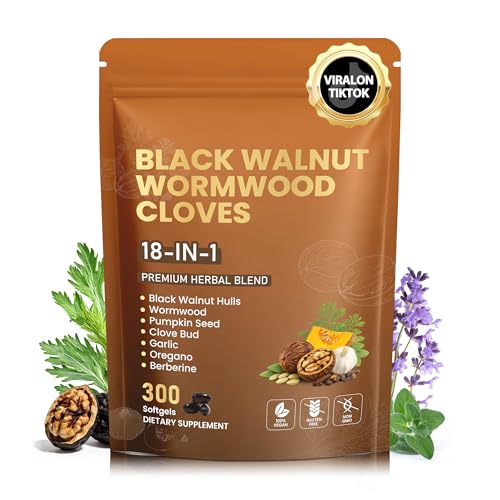
- CleanseParasites Herbal Parasite Cleanse Powder Editor’s Pick
Contains wormwood alongside black walnut hull, cloves, and other traditional parasite-cleanse herbs. - Herb Pharm Intestinal Tract Defense with Wormwood
liquid, 1 fl oz — A Herb Pharm herbal formula containing wormwood extract, not a single-herb wormwood tincture - AlchePharma Organic Wormwood Capsules
capsules, 90 vegan capsules — Single-herb organic Artemisia absinthium, non-GMO and gluten-free - Nature’s Answer Black Walnut and Wormwood Alcohol-Free Extract
liquid, 2 fl oz, 2,000 mg per serving — Alcohol-free dropper extract; a black walnut and wormwood combination, not single-herb wormwood - Frontier Co-op Wormwood Herb, Cut and Sifted
cut and sifted dried herb, 16 oz bulk bag — Bulk dried herb for traditional tea preparation, kosher certified
As an Amazon Associate we earn from qualifying purchases. Quality varies widely — always choose a product with a published third-party test (COA) before buying.
A Note on the Evidence
Wormwood has not been proven to treat any digestive disease in rigorous clinical trials, and its thujone content poses safety risks; individuals should seek medical evaluation for persistent digestive symptoms rather than self‑treat with wormwood.
Frequently Asked Questions
What makes wormwood a digestive bitter?
Wormwood contains bitter sesquiterpene lactones such as absinthin; bitter plants are thought to act through reflex responses triggered by taste, and in one human study wormwood increased vascular tonus, a response the authors describe as facilitating rather than stimulating digestive activity [1].
Is there clinical proof that wormwood improves digestion?
Direct clinical trials on wormwood for digestive symptoms are absent; the closest human study found that tasting wormwood-flavoured water raised vascular resistance and lowered cardiac output, but it did not measure digestion or symptoms [2].
Can wormwood be used safely long term?
Long‑term use is not recommended because thujone can accumulate and cause neurotoxicity; extracts should be thujone‑controlled and limited to short courses.
Who should avoid wormwood?
Pregnant or breastfeeding women, individuals with seizure disorders, and those taking anticonvulsants, antidepressants, or drugs metabolized by the liver should avoid wormwood.
How does wormwood differ from sweet wormwood (Artemisia annua)?
Sweet wormwood contains artemisinin, a validated antimalarial, whereas common wormwood’s primary bitter compounds are absinthin and artabsin and its volatile oil is rich in thujone.
What should I look for in a wormwood supplement?
Choose products that specify low thujone content, provide a certificate of analysis, and are intended for short‑term use; always discuss with a clinician before starting.
References
- McMullen MK et al. Bitters: Time for a New Paradigm. Evidence-based complementary and alternative medicine : eCAM (2015). PMID 26074998
- McMullen MK et al. Bitter tastants alter gastric-phase postprandial haemodynamics. Journal of ethnopharmacology (2014). PMID 24802704
These statements have not been evaluated by the Food and Drug Administration. This information is not intended to diagnose, treat, cure, or prevent any disease. Content is for informational purposes only and is not medical advice; consult a qualified healthcare provider before starting any supplement. As an Amazon Associate we earn from qualifying purchases.
