Making Absinthe at Home: The Law, the Thujone Limits, and What Wormwood Actually Contributes
What the chemistry and US law actually say about absinthe, thujone limits, and home production of wormwood spirits.
What the chemistry and US law actually say about absinthe, thujone limits, and home production of wormwood spirits.
Historical review of wormwood’s traditional European applications for digestion, parasites, and fevers, with safety context on thujone content.
Trace wormwood’s journey from ancient digestive remedy to absinthe’s notorious ingredient: traditional uses, thujone concerns, and modern evidence gaps.
Wormwood inhibits carbohydrate-digesting enzymes in the lab. No human trial has tested it for blood sugar, and one 2026 comparison ranked it behind sage.
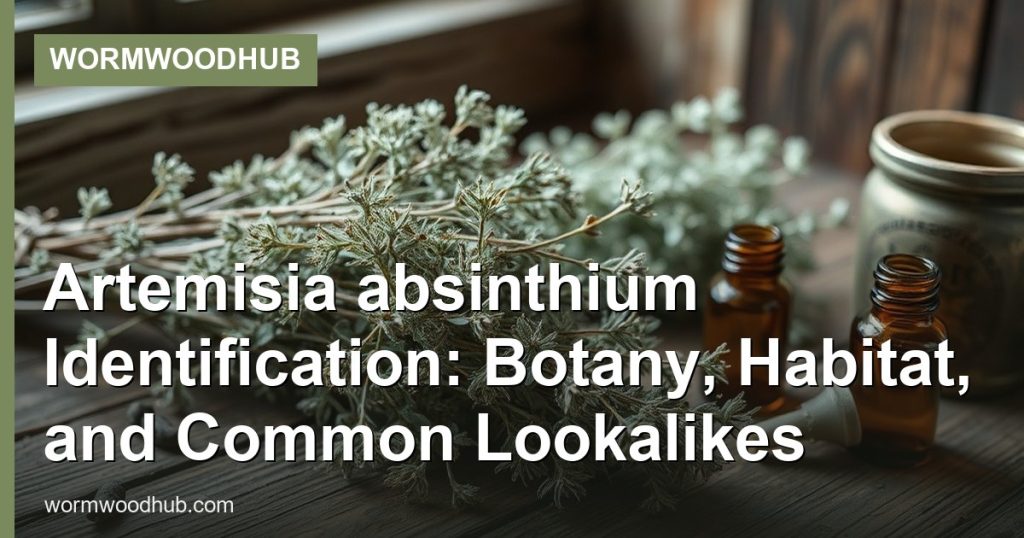
Learn to identify Artemisia absinthium (wormwood) by its botanical features, preferred habitats, and distinguishing traits from similar Artemisia species.
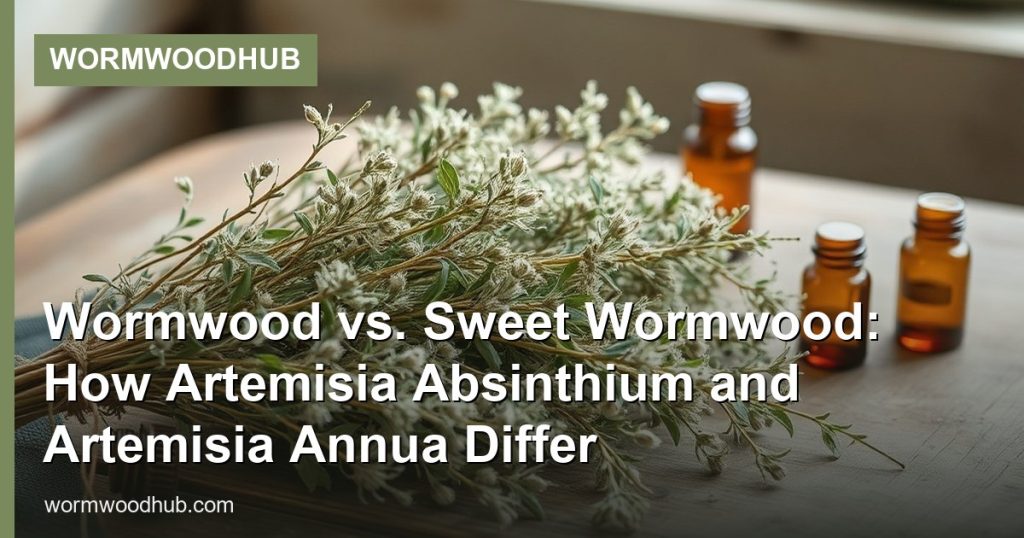
Artemisia absinthium (wormwood) and Artemisia annua (sweet wormwood) are different plants with different chemistry, uses, and safety profiles.
A history of wormwood (Artemisia absinthium) across European, Chinese, and folk medicine traditions, its traditional uses, and modern safety concerns.
The real history of wormwood (Artemisia absinthium): ancient digestive and anti-parasitic use, its role in absinthe and vermouth, and why thujone matters today.
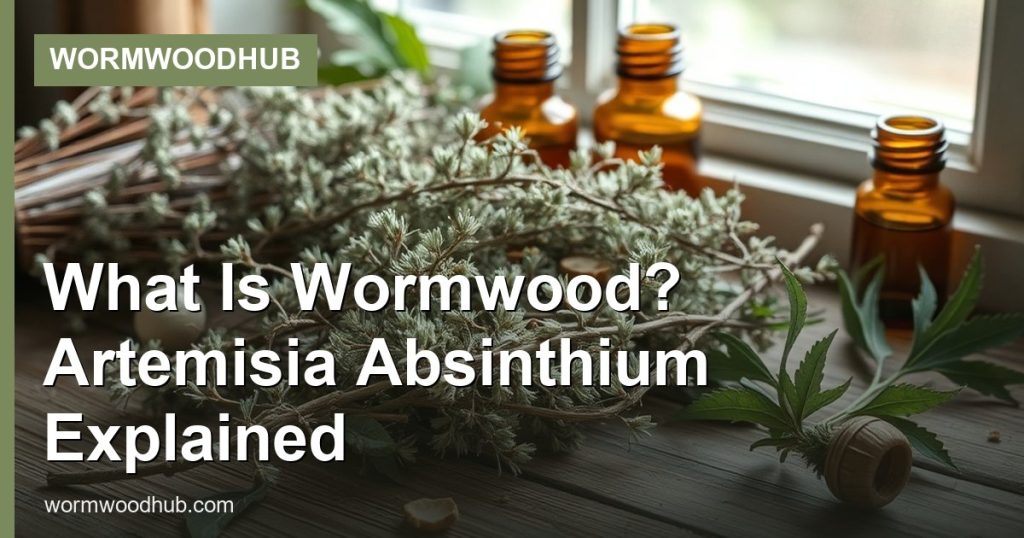
A clear look at wormwood (Artemisia absinthium): its history, traditional uses, proposed anti-parasitic mechanisms, and thujone safety concerns.
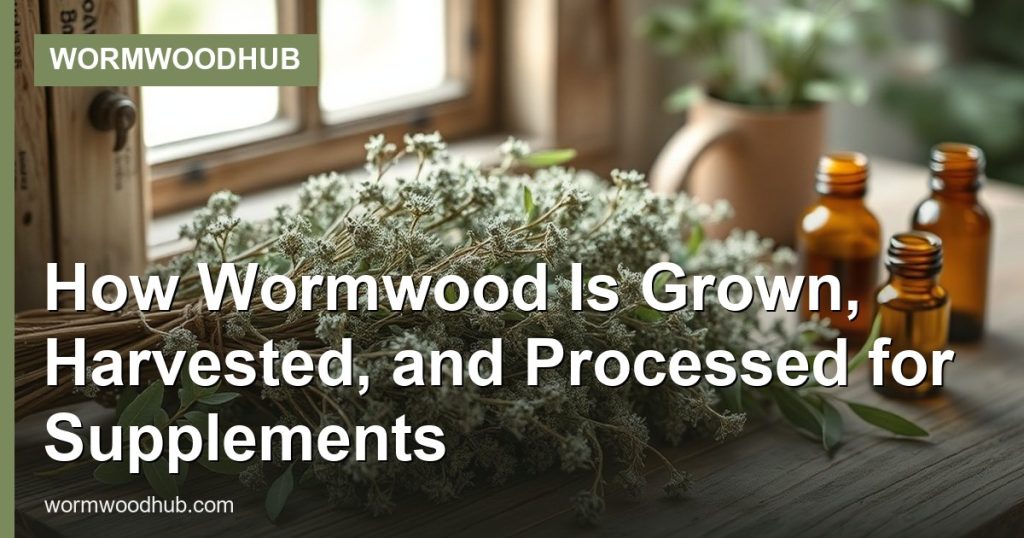
How Artemisia absinthium is cultivated, harvested, and processed into wormwood supplements, and why thujone control matters for safety.

A clear look at wormwood’s key chemical constituents, thujone, absinthin, and sesquiterpene lactones, what they may do, and why safety matters.