Wormwood Anticancer Potential: Early Research Findings and Critical Limitations
Explore preclinical evidence on wormwood (Artemisia absinthium) and artemisinin derivatives for cancer, plus safety concerns and research gaps.

Explore preclinical evidence on wormwood (Artemisia absinthium) and artemisinin derivatives for cancer, plus safety concerns and research gaps.
Wormwood is sometimes marketed for brain health. The rodent data is real but small, and the most quotable Alzheimer’s study was retracted by its journal.
Learn who should avoid wormwood (Artemisia absinthium) due to thujone neurotoxicity, pregnancy risks, drug interactions, and seizure potential.
Learn how to interpret wormwood supplement labels, understand extract ratios, standardization markers, and thujone limits for safe use.
Learn how to select a safe wormwood supplement: thujone limits, extraction methods, third-party testing, and why human evidence is limited.
Learn what to look for in wormwood supplements, including thujone control, extraction methods, and safety considerations for this traditional bitter herb.
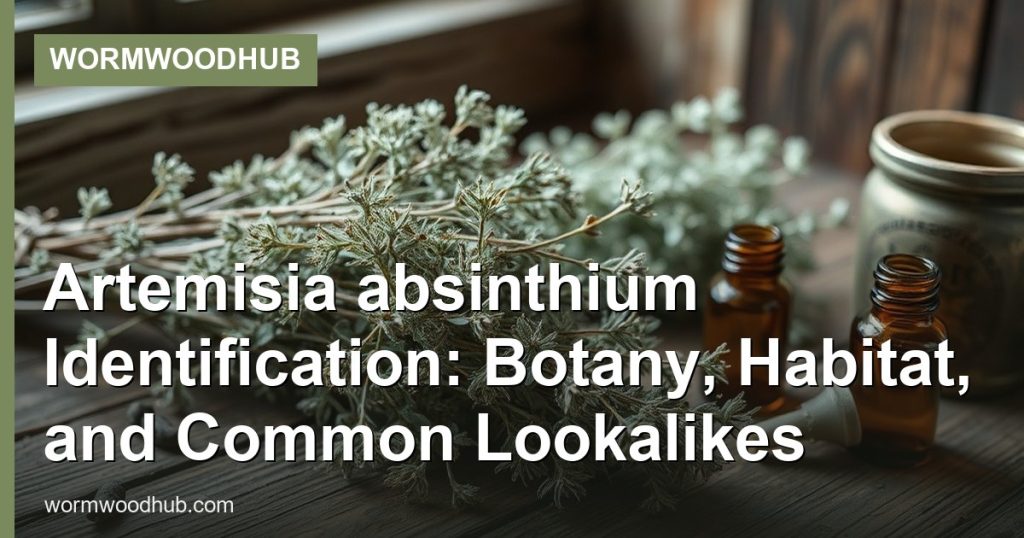
Learn to identify Artemisia absinthium (wormwood) by its botanical features, preferred habitats, and distinguishing traits from similar Artemisia species.
Wormwood (Artemisia absinthium) has a history of topical use on wounds. Here’s what early lab research actually shows, and where the evidence stops.
Wormwood (Artemisia absinthium) and wormseed (Chenopodium/Dysphania ambrosioides) are different plants with different risks. Here’s how to tell them apart.
Wormwood and pumpkin seed are both traditional anti-parasitic herbs, but their evidence, safety profiles, and mechanisms differ substantially.
Wormwood and clove are often paired in parasite-cleanse kits, but their proposed roles differ. An honest look at the evidence, mechanisms, and cautions.
A side-by-side look at wormwood and black walnut, their traditional use against parasites, what the evidence actually shows, and the safety tradeoffs of each.