Wormwood (Artemisia absinthium) and pumpkin seed (Cucurbita pepo) are two of the oldest folk remedies for intestinal parasites, and they still show up together in modern ‘parasite cleanse’ products marketed under names like this one. But they are not interchangeable, and lumping them together obscures real differences in how they’re thought to work, how much evidence backs them, and how risky they are.
This article compares the two honestly: what each herb is, what’s actually been studied, and where the safety profiles diverge sharply. Neither should be treated as a substitute for a proper diagnosis if a parasitic infection is suspected, since accurate identification of the organism usually determines which treatment (if any) is appropriate.
Key Takeaways
- Wormwood (Artemisia absinthium) and pumpkin seed are both traditional anti-parasitic herbs but work through different proposed mechanisms and carry very different risk profiles.
- Wormwood contains thujone, a neurotoxic compound requiring thujone-controlled extracts, short-course use only, and avoidance in pregnancy and breastfeeding.
- Pumpkin seed has a much milder, food-level safety profile with no comparable neurotoxicity concern.
- Most evidence for both herbs comes from traditional use and in-vitro/animal studies, not large human randomized controlled trials.
- Neither herb should replace medical diagnosis or treatment of a suspected parasitic infection.
What Wormwood Is (and Isn't)
Wormwood is the classic bitter herb long used for digestive complaints, fevers, and intestinal worms, and it’s best known as the flavoring agent in absinthe and vermouth. Its proposed anti-parasitic activity is attributed to sesquiterpene lactones (absinthin, artabsin) and volatile oil compounds that appear, in laboratory settings, to disrupt parasite membranes and metabolic processes.
Wormwood is frequently confused with its relative, Artemisia annua (sweet wormwood), whose compound artemisinin is a validated frontline antimalarial drug used against a specific single-celled parasite (Plasmodium). Common wormwood’s constituents and evidence base are distinct from artemisinin, and the anti-parasitic reputation of one plant is often mistakenly transferred to the other in casual writing and product marketing.
What Pumpkin Seed Is (and Isn't)
Pumpkin seed has a long history in traditional medicine as an anthelmintic (worm-expelling) food, particularly against tapeworms, and it is generally regarded as a food-based remedy rather than a potent extract. The seeds contain cucurbitin, the constituent identified in the 1960s as carrying the anthelmintic action of pumpkin seed [1] and still recovered from seed extracts in modern compositional analysis [2], along with fiber and healthy fats that support general digestive function. Cucurbitin is easy to confuse with cucurbitacin, an unrelated class of bitter triterpenoid found across the gourd family; it is cucurbitin, not cucurbitacin, that the anthelmintic literature on pumpkin seed concerns.

Unlike wormwood, pumpkin seed carries essentially no known toxicity profile at food-level intake, no thujone-type neurotoxic concern, and no established contraindication for pregnancy. This makes the comparison between the two herbs less about which is ‘stronger’ and more about which risk-benefit tradeoff is acceptable for a given person and situation.
Mechanism Comparison: Membrane Disruption vs Paralysis
The two herbs are proposed to work through different mechanisms. Wormwood’s sesquiterpene lactones and volatile oils are thought to disrupt parasite membrane integrity and interfere with metabolic processes, based on in-vitro and animal research. Pumpkin seed’s cucurbitin is thought to act more like a paralytic agent, impairing worm motility rather than acting as a direct membrane toxin. The controlled work behind that idea sits in nematode (roundworm) models rather than tapeworms: pumpkin seed extracts markedly inhibited the motility of Heligmosomoides bakeri larvae in vitro, and in mice already infected with that worm an ethanol extract reduced both fecal egg counts and adult worm burden [2]. The same study found no comparable effect on Caenorhabditis elegans, so the activity is not uniform even across nematodes, and the traditional reputation against tapeworms is older than, and separate from, that experimental record.

Because the mechanisms differ, some traditional protocols pair the two herbs together, on the theory that a paralyzing agent (pumpkin seed) combined with a disruptive agent (wormwood) may work in different ways against a worm at the same time. This combination logic is traditional reasoning, not something demonstrated in controlled human trials, and should be read as a hypothesis rather than a proven synergy.
Evidence Quality: Neither Is Backed by Large Human Trials
For both herbs, most of the anti-parasitic evidence comes from traditional use combined with in-vitro and animal studies rather than large, randomized controlled trials in humans. This is an important distinction from actual antiparasitic drugs, which go through rigorous dose-response and efficacy testing in infected patients before being recommended.
This doesn’t mean either herb is useless, historical use over centuries is a real signal, but it does mean confidence should be calibrated accordingly. Claims that either herb ‘kills parasites’ in the way a prescribed antiparasitic drug does go beyond what the current evidence supports.

Safety Comparison: This Is Where the Two Herbs Really Diverge
Wormwood contains thujone, which inhibits the GABA-A receptor and produces dose-dependent excitation and convulsions in animal studies; neurotoxicity is the principal toxic outcome in both acute and chronic testing, though the doses required to produce it in humans remain uncertain [3]. The same toxicological review puts the best estimate for an allowable daily thujone intake, across herbal preparations and diet combined, at roughly 3 to 7 mg per day [3]. One piece of folklore is worth separating out here: the 19th-century picture of ‘absinthism’ as a distinct syndrome does not survive scrutiny, and the one conclusion that held up from that era is that wormwood oil, not the drink, is a potent seizure agent [4]. Concentrated wormwood essential oil is therefore the preparation to avoid outright, which is a sharper and different warning than simply using less.
For that reason, wormwood extracts should be thujone-controlled and used only for short courses, never used beyond that, and are contraindicated in pregnancy and breastfeeding. Thujone is cleared by cytochrome P450 enzymes, principally CYP2A6 and then CYP3A4 and CYP2B6, and that clearance is a detoxification step rather than an activating one: blocking P450 activity in experimental models prevents the breakdown and sharply amplifies thujone’s toxicity [5], which is the basis for the same review flagging potential pharmacogenetic and metabolic interaction consequences [3]. That caution rests on metabolism rather than on measured human interaction data, but it is reason enough to treat wormwood as a poor candidate for casual, self-directed use alongside prescription medication, and anticonvulsants in particular, since a GABA-A inhibitor works against the mechanism several of them depend on.
Pumpkin seed, by contrast, has a food-safety profile at typical intake levels and is not associated with neurotoxicity, seizure risk, or the same drug-interaction concerns. This asymmetry is the single most important takeaway of this comparison: the two herbs are not equally risky, even though they’re often marketed side by side as if they were interchangeable options of similar intensity.
Choosing Between Them (Or Neither)
If someone is exploring traditional anti-parasitic approaches, the practical starting point is recognizing that pumpkin seed carries a substantially lower risk profile and can reasonably be considered a gentler, food-based option, while wormwood is a more potent botanical that demands caution, thujone-controlled dosing, short-duration use, and medical awareness of any existing conditions or medications.
Neither herb should replace proper medical diagnosis of a suspected parasitic infection. Stool testing and physician-guided treatment remain the standard of care, and traditional herbs are, at best, a complementary or preventive consideration rather than a primary treatment for a confirmed infection.
🛒 Where to Buy Wormwood (Artemisia absinthium)
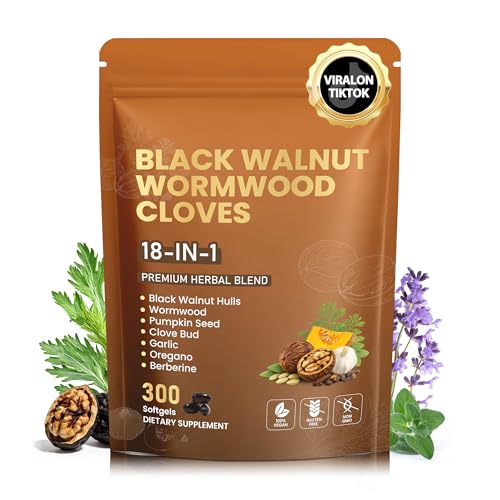
- CleanseParasites Herbal Parasite Cleanse Powder Editor’s Pick
Contains wormwood alongside black walnut hull, cloves, and other traditional parasite-cleanse herbs. - Herb Pharm Intestinal Tract Defense with Wormwood
liquid, 1 fl oz — A Herb Pharm herbal formula containing wormwood extract, not a single-herb wormwood tincture - AlchePharma Organic Wormwood Capsules
capsules, 90 vegan capsules — Single-herb organic Artemisia absinthium, non-GMO and gluten-free - Nature’s Answer Black Walnut and Wormwood Alcohol-Free Extract
liquid, 2 fl oz, 2,000 mg per serving — Alcohol-free dropper extract; a black walnut and wormwood combination, not single-herb wormwood - Frontier Co-op Wormwood Herb, Cut and Sifted
cut and sifted dried herb, 16 oz bulk bag — Bulk dried herb for traditional tea preparation, kosher certified
As an Amazon Associate we earn from qualifying purchases. Quality varies widely — always choose a product with a published third-party test (COA) before buying.
A Note on the Evidence
This article is informational, not medical advice. Wormwood requires thujone-controlled dosing, short-term use, and is contraindicated in pregnancy, breastfeeding, and for those on anticonvulsants or antidepressants; anyone with a suspected parasitic infection should get a proper diagnosis and consult a doctor before using either herb.
Frequently Asked Questions
Can wormwood and pumpkin seed be taken together?
Some traditional protocols combine them on the theory that pumpkin seed’s paralyzing action and wormwood’s disruptive action work differently on parasites. This combination isn’t validated in controlled human trials, and anyone considering it should account for wormwood’s stricter safety limits, not just add the two together casually.
Is wormwood the same as the herb used to make antimalarial medicine?
No. That’s Artemisia annua (sweet wormwood), a related but distinct plant whose compound artemisinin is a validated antimalarial drug. Common wormwood (Artemisia absinthium) has a different chemical profile and evidence base.
Why is thujone a concern in wormwood?
Thujone inhibits the GABA-A receptor and causes dose-dependent excitation and convulsions in animal studies, with neurotoxicity the principal toxic outcome in both acute and chronic testing; the dose needed to produce that in humans is still uncertain, and the best estimate for an allowable daily intake is roughly 3 to 7 mg [3]. That is why wormwood extracts should be thujone-controlled and limited to short courses rather than ongoing daily use, and why concentrated wormwood oil is the preparation to avoid entirely.
Is pumpkin seed safe during pregnancy?
Pumpkin seed as a food is generally considered safe, unlike wormwood, which is specifically contraindicated in pregnancy and breastfeeding. Anyone pregnant should still check with a physician before using any herb for a suspected parasitic concern.
Do these herbs replace medical treatment for a parasitic infection?
No. Most human evidence for both herbs’ anti-parasitic effects comes from traditional use and in-vitro/animal studies rather than large randomized controlled trials, so they should not replace proper diagnosis and medical treatment of a suspected infection.
Which herb is 'stronger' against parasites?
Strength isn’t really the right frame, they’re proposed to act through different mechanisms and have very different safety margins. Pumpkin seed is milder and safer at food-level use; wormwood is more potent but requires careful dosing and medical caution due to thujone content and drug interactions.
References
- Rybaltovskiĭ OV. [On the discovery of cucurbitin–a component of pumpkin seed with anthelmintic action]. Meditsinskaia parazitologiia i parazitarnye bolezni (1966). PMID 5993845
- Grzybek M et al. Evaluation of Anthelmintic Activity and Composition of Pumpkin (Cucurbita pepo L.) Seed Extracts-In Vitro and in Vivo Studies. International journal of molecular sciences (2016). PMID 27598135
- Pelkonen O et al. Thujone and thujone-containing herbal medicinal and botanical products: toxicological assessment. Regulatory toxicology and pharmacology : RTP (2013). PMID 23201408
- Padosch SA et al. Absinthism: a fictitious 19th century syndrome with present impact. Substance abuse treatment, prevention, and policy (2006). PMID 16722551
- Höld KM et al. Detoxification of alpha- and beta-Thujones (the active ingredients of absinthe): site specificity and species differences in cytochrome P450 oxidation in vitro and in vivo. Chemical research in toxicology (2001). PMID 11368559
These statements have not been evaluated by the Food and Drug Administration. This information is not intended to diagnose, treat, cure, or prevent any disease. Content is for informational purposes only and is not medical advice; consult a qualified healthcare provider before starting any supplement. As an Amazon Associate we earn from qualifying purchases.