Wormwood (Artemisia absinthium) supplements vary widely in preparation, potency, and safety profiling. Unlike pharmaceuticals, herbal products are not required to prove consistency batch to batch, making label literacy essential for anyone considering this herb.
This guide explains what to look for on a wormwood supplement label — including extract ratios, standardization claims, thujone disclosure, and third-party testing — so you can make an informed choice and avoid common pitfalls.
Key Takeaways
- Extract ratios alone do not indicate bitter compound potency or thujone safety — look for standardization to absinthin or total bitter value.
- No regulator sets a thujone limit for supplements. The nearest benchmark is the EMA herbal monograph ceiling for wormwood herb, 3 mg of thujone per person per day for no more than two weeks[1]; prefer products that disclose thujone per serving and keep total intake well under it.
- Third-party testing (USP, NSF, or lab CoA) is the only way to verify identity, potency, and purity for wormwood supplements.
- Wormwood is contraindicated in pregnancy, breastfeeding, seizure disorders, and with certain medications — labels should state this clearly.
- Limit use to short courses (typically 2–4 weeks) unless supervised by a qualified clinician.
Why Label Details Matter for Wormwood
Wormwood contains thujone, a neurotoxic monoterpene that can lower the seizure threshold at high doses or with prolonged exposure. Regulatory agencies in the U.S., EU, and Canada set maximum thujone limits for food and beverage products (e.g., absinthe), but dietary supplements fall under different frameworks that may not enforce the same thresholds.
Because wormwood is used for its bitter principles (absinthin, artabsin) and volatile oils rather than a single marker compound, products labeled simply as “wormwood herb” or “wormwood extract” without further specification give no reliable indication of bitter constituent content or thujone level. This variability is why standardized extracts and transparent labeling are critical.
Extract Ratios: What They Tell You — and What They Don't
An extract ratio (e.g., 10:1, 4:1) indicates how many parts of raw herb were used to produce one part of extract. A 10:1 extract means 10 grams of dried wormwood yielded 1 gram of powdered extract. However, this ratio alone does not guarantee potency, because it does not account for the concentration of active bitter compounds or the removal of thujone.

Two 10:1 extracts can differ significantly in absinthin content depending on the solvent used (ethanol, water, supercritical CO₂), extraction temperature, and whether a thujone-reduction step was applied. Without a standardization claim tied to a specific marker, the extract ratio is primarily a manufacturing metric, not a potency guarantee.
Standardization: Marker Compounds and What to Look For
Standardization means the manufacturer adjusts each batch to contain a defined amount of one or more marker compounds. For wormwood, the most relevant markers are the sesquiterpene lactones absinthin and artabsin, which contribute to the herb’s bitter digestive action. A label might state: “Standardized to 0.3% absinthin” or “Contains 1.5 mg absinthin per serving.”
Some products standardize to total bitter value (measured by pharmacopeial methods) rather than a single lactone. Others may reference volatile oil content. If a label says “standardized” without naming the marker and the level, the claim is not verifiable. Prefer products that specify the marker, the percentage or milligram amount per dose, and the analytical method (e.g., HPLC).

Thujone Disclosure and Safety Limits
Thujone (α- and β-thujone) is the primary safety concern with wormwood. The EU limits apply to beverages rather than to foods generally, and they are tiered: 10 mg/kg in alcoholic beverages except those produced from Artemisia species, 35 mg/kg in alcoholic beverages that are produced from Artemisia species, and 0.5 mg/kg in non-alcoholic Artemisia beverages[2]. The US rule is qualitative rather than numeric: the FDA permits wormwood as a flavoring only if the finished food is "thujone free"[3]. The familiar 10 ppm figure is not an FDA limit. It is the threshold the TTB applies when clearing distilled spirits labeled absinthe, and it comes from the detection level of the FDA-prescribed test method[4]. Neither framework sets any thujone limit for dietary supplements, which is why the label and the certificate of analysis are the only things standing between a buyer and an undisclosed dose.
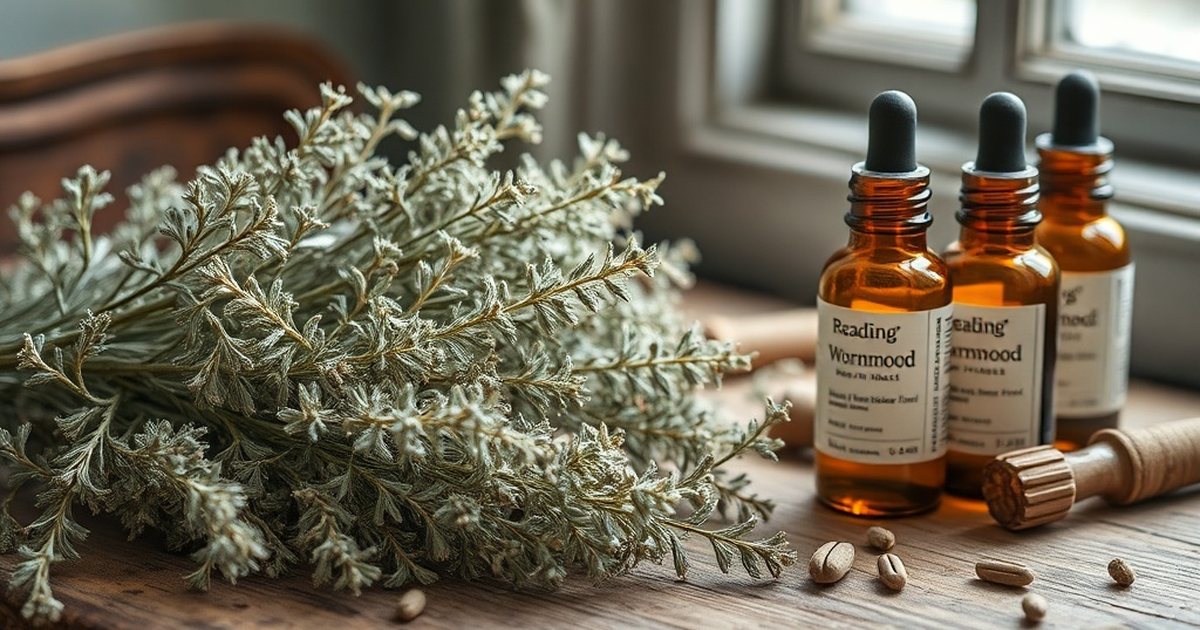
Responsible supplement labels disclose thujone content per serving or per gram of extract (e.g., “< 5 ppm thujone" or "Thujone-reduced: ≤ 0.1 mg per capsule"). If thujone is not mentioned, assume it has not been controlled. Products labeled "thujone-free" should provide a certificate of analysis (CoA) upon request. Avoid products with no thujone information, especially for use beyond two to four weeks.

Third-Party Testing and Certificates of Analysis
Because wormwood identity, potency, and thujone content cannot be verified by visual inspection, third-party testing is the only reliable confirmation. Look for brands that publish or provide CoAs from ISO-accredited labs testing for: identity (botanical verification via HPTLC or DNA), absinthin/artabsin content, thujone level, heavy metals, microbial limits, and residual solvents.
Certifications such as USP, NSF, or ConsumerLab indicate the product met defined standards for identity, strength, purity, and disintegration. However, these programs test against the label claim — so the label claim itself must be meaningful (i.e., include absinthin standardization and thujone limits). A CoA dated within the last 12 months for the specific lot number is the gold standard.
Red Flags and Practical Checklist
Avoid wormwood supplements that: (1) list only “wormwood aerial parts” or “wormwood extract” with no ratio, standardization, or thujone data; (2) use proprietary blends that hide the wormwood amount; (3) claim “high potency” without defining the marker; (4) lack a lot number, expiration date, or manufacturer contact information; (5) suggest open-ended or daily indefinite use.
A practical label checklist: ☐ Latin name (Artemisia absinthium) and plant part (herb/leaf/flower) ☐ Extract ratio or dry herb equivalent per serving ☐ Standardization marker (absinthin, artabsin, or total bitter value) with quantity ☐ Thujone content per serving or per gram ☐ Third-party testing logo or available CoA ☐ Clear dosing duration guidance (e.g., “Do not exceed 2 weeks”) ☐ Allergen and contraindication statements (pregnancy, seizure disorder, medication interactions).
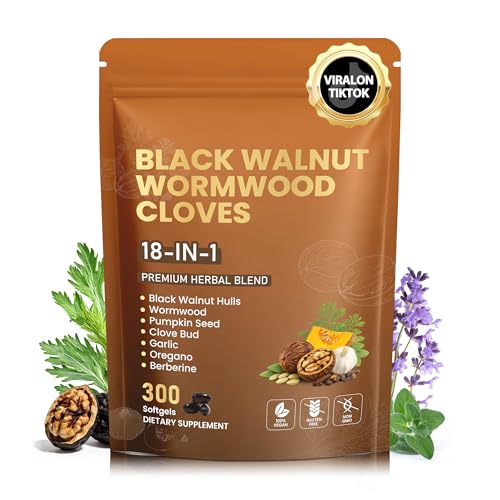
🛒 Where to Buy Wormwood (Artemisia absinthium)
- CleanseParasites Herbal Parasite Cleanse Powder Editor’s Pick
Contains wormwood alongside black walnut hull, cloves, and other traditional parasite-cleanse herbs. - Herb Pharm Intestinal Tract Defense with Wormwood
liquid, 1 fl oz — A Herb Pharm herbal formula containing wormwood extract, not a single-herb wormwood tincture - AlchePharma Organic Wormwood Capsules
capsules, 90 vegan capsules — Single-herb organic Artemisia absinthium, non-GMO and gluten-free - Nature’s Answer Black Walnut and Wormwood Alcohol-Free Extract
liquid, 2 fl oz, 2,000 mg per serving — Alcohol-free dropper extract; a black walnut and wormwood combination, not single-herb wormwood - Frontier Co-op Wormwood Herb, Cut and Sifted
cut and sifted dried herb, 16 oz bulk bag — Bulk dried herb for traditional tea preparation, kosher certified
As an Amazon Associate we earn from qualifying purchases. Quality varies widely — always choose a product with a published third-party test (COA) before buying.
A Note on the Evidence
Wormwood contains thujone, which is neurotoxic and can trigger seizures at high doses or with prolonged use. It is contraindicated in pregnancy, breastfeeding, and seizure disorders, and may interact with anticonvulsants, antidepressants, and hepatically metabolized drugs. Human evidence for anti-parasitic effects is limited to traditional use and in-vitro/animal studies; wormwood supplements should not replace medical diagnosis or treatment of suspected parasitic infections. Consult a healthcare professional before use.
Frequently Asked Questions
What does a 10:1 wormwood extract ratio mean?
It means 10 grams of dried wormwood herb were used to produce 1 gram of extract. However, without standardization to absinthin or thujone data, the ratio does not tell you the bitter potency or safety profile.
Is "thujone-free" wormwood truly zero thujone?
It is not a guarantee of zero. The only US body that puts a number on “thujone-free” is the TTB, which treats a distilled spirit as thujone-free below 10 ppm. That threshold reflects what the official test method can detect, and it applies to absinthe labeling rather than to supplements[4]. No thujone limit applies to dietary supplements at all, so look for a CoA showing the exact thujone level per serving; a claim without verification is not reliable.
Why standardize to absinthin instead of artemisinin?
Artemisinin is the antimalarial compound from Artemisia annua (sweet wormwood), not Artemisia absinthium. Common wormwood’s key bitter markers are absinthin and artabsin, which are sesquiterpene lactones distinct from artemisinin.
Can I take wormwood daily for months?
Prolonged use increases cumulative thujone exposure and seizure risk. Traditional and regulatory guidance limits courses to 2–4 weeks. Long-term use should only occur under clinical supervision with thujone-monitored product.
What third-party certifications are meaningful for wormwood?
USP, NSF International, and ConsumerLab.com test for identity, strength, purity, and disintegration. The certificate must match the specific lot number and include absinthin and thujone results.
Are liquid tinctures safer than capsules regarding thujone?
Not necessarily. Thujone partitions into ethanol, so tinctures can concentrate it unless specifically reduced. Always check thujone disclosure regardless of dosage form.
References
- Committee on Herbal Medicinal Products (HMPC). Public statement on the use of herbal medicinal products containing thujone, EMA/HMPC/732886/2010. European Medicines Agency. EMA public statement (PDF)
- Regulation (EC) No 1334/2008 of the European Parliament and of the Council on flavourings, Annex III Part B (maximum levels of thujone in compound food as consumed). EUR-Lex
- 21 CFR 172.510, Natural flavoring substances and natural substances used in conjunction with flavors. U.S. Food and Drug Administration. eCFR
- TTB Industry Circular 2007-5, Use of the Term Absinthe for Distilled Spirits. Alcohol and Tobacco Tax and Trade Bureau. TTB
These statements have not been evaluated by the Food and Drug Administration. This information is not intended to diagnose, treat, cure, or prevent any disease. Content is for informational purposes only and is not medical advice; consult a qualified healthcare provider before starting any supplement. As an Amazon Associate we earn from qualifying purchases.