Wormwood, or Artemisia absinthium, is best known today as the bitter herb behind absinthe and a traditional remedy for digestive complaints and parasites. Less well known is its long folk history as a topical application for cuts, sores, and slow-healing skin, where crushed leaves or poultices were applied directly to wounds in various traditional medicine systems.
Modern research into this specific use is still limited, but a small number of laboratory studies have started to examine whether wormwood extracts actually support wound healing, and what compounds might be responsible. This article walks through what that early evidence shows, what it doesn’t show, and why wormwood’s safety profile matters for anyone considering topical use.
Key Takeaways
- Wormwood (Artemisia absinthium) has a traditional history of topical use on wounds, distinct from its better-known digestive and anti-parasitic uses.
- Early lab research shows wound-healing and antibacterial activity in extract studies, alongside phytochemical and safety profiling [1][2][3]
- Proposed mechanisms involve sesquiterpene lactones and volatile oil compounds with antimicrobial and anti-inflammatory activity, not a proven human-tested pathway.
- All current evidence is in vitro or lab-based, not from human clinical trials on actual wounds.
- Thujone content makes dosing and duration important; avoid in pregnancy, breastfeeding, and with certain medication interactions; serious or infected wounds need medical care, not self-treatment.
Traditional Use of Wormwood on the Skin
Across several traditional medicine systems, wormwood has been applied topically for wound care, minor skin infections, and inflammation, often alongside its better-documented internal uses for digestion and intestinal parasites. This topical tradition is one reason researchers have started investigating the plant’s phytochemistry specifically for skin and tissue effects, rather than only its bitter digestive compounds.
It’s worth being clear about the direction of the evidence here: traditional use tells us wormwood was used this way, not that it works. That’s exactly what the lab studies below are starting to test.
What the Phytochemical Research Shows
A phytochemical and safety assessment of Artemisia absinthium examined the plant’s chemical profile alongside its wound healing activity, evaluating both what compounds are present and how extracts performed in wound-healing models, while also assessing safety parameters [1]. This kind of combined profiling matters because it links specific compound classes to specific effects, rather than treating ‘wormwood extract’ as a black box.

A related study on the hot methanolic leaf extract of Artemisia absinthium looked at multiple bioactivities at once, including antibacterial activity and wound healing activity, alongside cytotoxicity testing against human breast cancer cells in vitro [2]. Testing wound healing and antibacterial activity together is a sensible pairing, since a wound-supportive extract that doesn’t also control local bacterial load would be of limited practical use.
Proposed Mechanisms Behind Wound-Healing Activity
Wormwood’s wound-healing potential is generally attributed to the same broader class of compounds implicated in its other traditional uses: sesquiterpene lactones like absinthin and artabsin, along with the plant’s volatile oil constituents. A review of wormwood’s bioactive compounds, pharmacological actions, and pharmacokinetics catalogs these components and the range of biological activities associated with them, including antimicrobial and anti-inflammatory effects that plausibly support a role in wound repair [3].

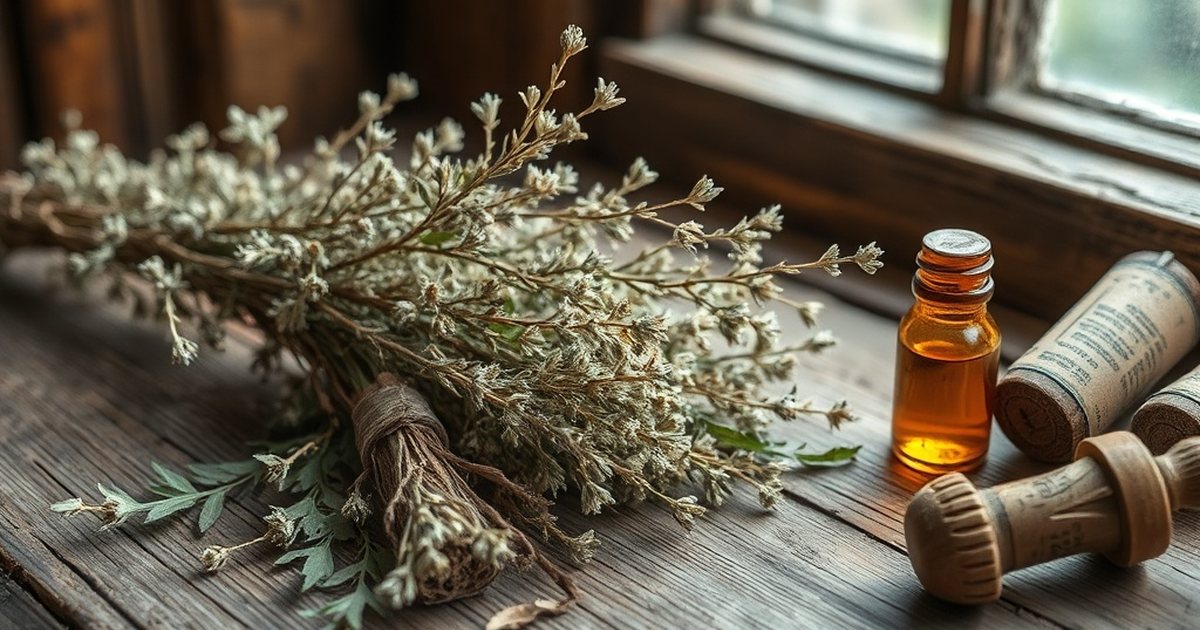
The proposed logic connecting these compounds to wound healing runs through two channels: limiting local bacterial growth at the wound site, and modulating inflammation, both of which are relevant to how quickly and cleanly a wound closes. It’s important to note this is a plausible mechanism drawn from the available pharmacology, not a mechanism that has been definitively proven for wound repair specifically in humans.
How Strong Is the Evidence, Really?
All three sources cited here are laboratory-based investigations, phytochemical profiling, in vitro cytotoxicity and antibacterial assays, and pharmacological review, rather than clinical trials in humans with actual wounds [1][2][3]. That distinction matters a great deal. In vitro and animal-model wound healing activity can look promising and still fail to translate into a reliable, reproducible effect on a real human wound, where infection risk, individual healing capacity, and product formulation all vary.
There is currently no large randomized controlled trial evidence establishing that a wormwood preparation heals wounds faster or better than standard wound care. Readers should treat the existing research as an early signal worth further study, not as proof that any wormwood product on the market accelerates healing.

Safety Considerations for Topical and Any Other Use
Wormwood contains thujone, a compound that is neurotoxic and can trigger seizures at high doses or with prolonged use. This is primarily a concern with internal or concentrated use, but it underscores why any wormwood preparation, topical or otherwise, should be thujone-controlled and used only for short courses rather than continuously.
Wormwood is contraindicated in pregnancy and breastfeeding, and it can interact with anticonvulsants, antidepressants, and other drugs metabolized by the liver. Anyone with a wound serious enough to need active treatment, especially one that is deep, infected, slow to heal, or associated with diabetes or poor circulation, should see a medical professional rather than relying on a botanical extract.
Where This Leaves Wormwood for Wound Care
The available research gives wormwood a genuine, if narrow, evidence base for wound healing activity in laboratory settings, supported by phytochemical profiling and pharmacological review [1][2][3]. That’s a reasonable starting point for future clinical research, but it isn’t the same as validated clinical benefit for people applying it to a cut or sore today.
Anyone curious about wormwood for skin use should weigh the early, lab-stage evidence against its known neurotoxicity risk at high doses, its drug interactions, and its contraindication in pregnancy, and should not use it as a substitute for proper wound assessment and care.
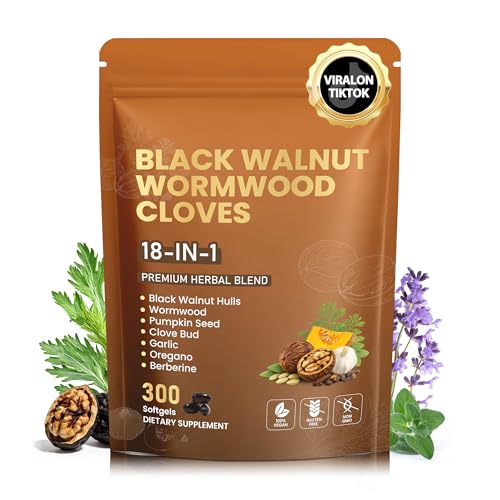
🛒 Where to Buy Wormwood (Artemisia absinthium)
- CleanseParasites Herbal Parasite Cleanse Powder Editor’s Pick
Contains wormwood alongside black walnut hull, cloves, and other traditional parasite-cleanse herbs. - Herb Pharm Intestinal Tract Defense with Wormwood
liquid, 1 fl oz — A Herb Pharm herbal formula containing wormwood extract, not a single-herb wormwood tincture - AlchePharma Organic Wormwood Capsules
capsules, 90 vegan capsules — Single-herb organic Artemisia absinthium, non-GMO and gluten-free - Nature’s Answer Black Walnut and Wormwood Alcohol-Free Extract
liquid, 2 fl oz, 2,000 mg per serving — Alcohol-free dropper extract; a black walnut and wormwood combination, not single-herb wormwood - Frontier Co-op Wormwood Herb, Cut and Sifted
cut and sifted dried herb, 16 oz bulk bag — Bulk dried herb for traditional tea preparation, kosher certified
As an Amazon Associate we earn from qualifying purchases. Quality varies widely — always choose a product with a published third-party test (COA) before buying.
A Note on the Evidence
This article summarizes early laboratory research, not clinical evidence, and is informational only, not medical advice. Wormwood contains neurotoxic thujone, is contraindicated in pregnancy and breastfeeding, can interact with several medication classes, and should never replace proper evaluation and treatment of a wound by a qualified healthcare provider.
Frequently Asked Questions
Does wormwood actually help wounds heal faster?
Laboratory studies have found wound-healing activity in Artemisia absinthium extracts, along with antibacterial effects [1][2]. These are early, in vitro findings rather than results from human clinical trials, so no one can currently say with confidence how much, if any, benefit it provides on a real wound.
What compounds in wormwood are thought to support wound healing?
Sesquiterpene lactones such as absinthin and artabsin, along with the plant’s volatile oil constituents, are the compound classes most associated with wormwood’s broader pharmacological activity, including antimicrobial and anti-inflammatory effects relevant to wound repair [3].
Is topical wormwood safe to use on skin?
Topical use carries less systemic risk than ingestion, but wormwood still contains thujone, a neurotoxic compound, so products should be thujone-controlled and used for short periods only. It should also be avoided in pregnancy and breastfeeding, and by anyone on interacting medications.
Is wormwood the same thing as sweet wormwood or artemisinin?
No. Artemisia absinthium (wormwood) is a different species from Artemisia annua (sweet wormwood), whose compound artemisinin is a validated frontline antimalarial drug. Wormwood’s proposed anti-parasitic and wound-healing mechanisms involve different compounds entirely.
Should I use wormwood instead of standard wound care?
No. There is no clinical trial evidence that wormwood outperforms or even matches standard wound care. Anyone with a wound that is deep, infected, slow-healing, or complicated by a condition like diabetes should see a medical professional rather than rely on a botanical extract.
What research is still missing on wormwood and wound healing?
The main gap is human clinical trials. Existing evidence comes from phytochemical profiling and in vitro assays of antibacterial and wound-healing activity [1][2][3], not controlled studies on people with real wounds, so translation to actual clinical benefit remains unproven.
References
- Boudjelal A et al. Phytochemical Profile, Safety Assessment and Wound Healing Activity of Artemisia absinthium L. Plants (Basel, Switzerland) (2020). PMID 33321822
- Sultan MH et al. Bioactive Principles and Potentiality of Hot Methanolic Extract of the Leaves from Artemisia absinthium L "in vitro Cytotoxicity Against Human MCF-7 Breast Cancer Cells, Antibacterial Study and Wound Healing Activity". Current pharmaceutical biotechnology (2020). PMID 32988347
- Batiha GE et al. Bioactive Compounds, Pharmacological Actions, and Pharmacokinetics of Wormwood (Artemisia absinthium). Antibiotics (Basel, Switzerland) (2020). PMID 32585887
These statements have not been evaluated by the Food and Drug Administration. This information is not intended to diagnose, treat, cure, or prevent any disease. Content is for informational purposes only and is not medical advice; consult a qualified healthcare provider before starting any supplement. As an Amazon Associate we earn from qualifying purchases.