Wormwood (Artemisia absinthium) has a long history of use as a bitter digestive tonic and for addressing intestinal parasites, but modern supplementation requires careful attention to quality and safety. The herb contains sesquiterpene lactones such as absinthin and artabsin, along with volatile oils, which are thought to underlie its traditional effects on digestion and parasite metabolism.
Equally important is the presence of thujone, a neurotoxic compound that can cause seizures at high doses or with prolonged use. Because human clinical trials are limited and most evidence comes from in vitro or animal studies, choosing a reputable product with proper thujone control and transparent labeling is essential for anyone considering wormwood supplements.
Key Takeaways
- Choose wormwood supplements with declared, third-party verified thujone limits (ideally thujone-free or <10 ppm per serving).
- Prefer standardized extracts or encapsulated dried herb over essential oils for internal use; avoid products without clear thujone information.
- Limit use to short courses (2-4 weeks) with breaks; do not use during pregnancy, breastfeeding, or if you have a seizure disorder.
- Verify botanical identity (Artemisia absinthium), plant part, and contaminant testing via COA or reputable certification.
- Consult a healthcare provider before use, especially if taking medications metabolized by the liver, anticonvulsants, or antidepressants.
Understanding Wormwood and Its Active Compounds
Wormwood is a perennial herb native to Europe, Asia, and North Africa, historically used in herbal medicine for digestive complaints, fevers, and parasitic infections. Its bitter principles, primarily the sesquiterpene lactones absinthin and artabsin, stimulate digestive secretions and have demonstrated anti-parasitic activity in laboratory settings by disrupting parasite membranes and metabolic pathways.
The volatile oil fraction contains thujone (both alpha and beta isomers), which gives wormwood its characteristic aroma but also poses neurotoxicity risks. Thujone acts as a GABA receptor antagonist and can trigger seizures, especially at high doses or with long-term exposure. This dual nature of beneficial bitter compounds and a potentially harmful constituent makes standardization and thujone limits critical in supplement manufacturing.
It is important to distinguish Artemisia absinthium (common wormwood) from Artemisia annua (sweet wormwood). The latter is the source of artemisinin, a potent antimalarial drug with a different chemical profile and well-established clinical use. Wormwood supplements do not contain significant artemisinin and should not be confused with or substituted for artemisinin-based therapies.

Thujone Regulation and Safety Standards
Regulatory agencies in multiple jurisdictions set maximum thujone limits for foods and beverages containing wormwood. In the European Union the thujone limits are tiered by beverage type: 10 mg/kg in alcoholic beverages except those produced from Artemisia species, 35 mg/kg in alcoholic beverages that are produced from them, and 0.5 mg/kg in non-alcoholic Artemisia beverages[1]. Absinthe and vermouth sit in the 35 mg/kg tier, and there is no general thujone limit for foods outside those beverage categories. The U.S. FDA permits wormwood as a flavoring agent in food only if the finished food is thujone free[2]. In practice that phrase is an analytical threshold rather than an absolute zero: the TTB, which clears absinthe labels against that same FDA rule, treats a product as thujone free below 10 parts per million, a figure taken from the detection limit of the FDA’s prescribed test method[3]. It is worth being equally precise about what the rule does not reach. It governs flavoring use in food and beverages, not dietary supplements, and there is no specific federal thujone limit for supplements, which is why a disclosed thujone figure on a supplement label is a manufacturer’s choice rather than a regulatory guarantee. Published toxicological assessment puts the estimated allowable daily intake of thujone from herbal preparations and diet at roughly 3 to 7 mg per day[4].

For dietary supplements, there is no universal thujone limit, but responsible manufacturers voluntarily test and limit thujone content. Look for products that specify thujone levels on the label or provide a certificate of analysis (COA) showing thujone concentration, typically expressed in parts per million (ppm) or mg per serving. Products labeled “thujone-free” or “thujone-controlled” with third-party verification offer the highest assurance.
Because thujone accumulates with repeated dosing, supplements should be used only for short courses (generally no longer than 2-4 weeks) followed by a break. Individuals with a history of seizures, those taking anticonvulsants, and pregnant or breastfeeding women should avoid wormwood entirely due to the neurotoxic risk and potential for uterine stimulation.
Extraction Methods and Product Forms
Wormwood supplements come in several forms: dried herb capsules, tinctures (alcohol or glycerin extracts), essential oils, and standardized extracts. Each form delivers a different profile of compounds. Alcohol-based tinctures efficiently extract both the bitter sesquiterpene lactones and volatile oils including thujone, while glycerites may extract fewer volatile compounds.
Standardized extracts aim to guarantee a minimum percentage of key markers such as absinthin or total sesquiterpene lactones. However, standardization to bitter principles does not automatically ensure low thujone; the two can vary independently depending on the plant chemotype, harvest time, and extraction parameters. Supercritical CO2 extraction can selectively concentrate certain fractions but is less common for wormwood.
Essential oil of wormwood is highly concentrated in thujone and should never be ingested without expert guidance. For internal use, encapsulated dried herb or standardized extracts with declared thujone limits are generally safer choices. Powders and teas provide the whole herb matrix but make dose control of thujone difficult.
Sourcing, Testing, and Quality Certifications
Quality starts with botanical identity verification. Reputable brands use authenticated Artemisia absinthium, confirmed by macroscopic and microscopic examination or DNA barcoding, to avoid adulteration with other Artemisia species. The plant part used (aerial parts harvested at flowering) should be specified, as root and stem material have different compound profiles.

Third-party testing for identity, potency, and contaminants (heavy metals, pesticides, microbial limits, residual solvents) is a hallmark of quality. Look for supplements that carry certifications from organizations such as USP, NSF International, or ConsumerLab, or that provide batch-specific COAs upon request. These documents should list thujone content, sesquiterpene lactone levels, and confirm absence of contaminants.
Organic certification reduces pesticide exposure but does not guarantee low thujone or high bitter compound content. Wild-crafted wormwood can be high quality if harvested sustainably from clean environments, but it introduces variability. Cultivated, controlled-source material often provides more consistent phytochemical profiles.
Label Reading and Dosing Considerations
A transparent label lists the Latin name (Artemisia absinthium), plant part used, extraction ratio or solvent (for extracts), amount per serving, and thujone content or a statement of thujone control. Proprietary blends that hide individual ingredient amounts make it impossible to assess thujone exposure.
Typical traditional doses of dried herb range from 1 to 3 grams daily, often divided before meals. For standardized extracts, follow the manufacturer’s dosing, which is usually calibrated to deliver a specific amount of bitter principles. Because of thujone concerns, do not exceed recommended doses or duration. Cycling (e.g., two weeks on, one week off) is a common traditional practice to minimize neurotoxic risk.
Wormwood can interact with medications metabolized by the liver (CYP450 enzymes), anticonvulsants, antidepressants, and sedatives. The bitter principles may also affect drug absorption. Always consult a healthcare provider before combining wormwood with prescription medications or if you have liver or kidney conditions.
Evidence Context and Realistic Expectations
Most scientific support for wormwood’s anti-parasitic effects comes from in vitro studies and animal models showing that sesquiterpene lactones and volatile oils disrupt parasite membranes, inhibit enzymes, and alter metabolism. Human data are limited to small, open-label trials and traditional use reports; there are no large, randomized controlled trials establishing efficacy for specific parasitic infections in people.
For digestive support, the bitter reflex stimulated by absinthin and artabsin is a well-understood physiological mechanism: bitter receptors on the tongue trigger vagal-mediated increases in gastric acid, bile, and pancreatic enzyme secretion. This effect is dose-dependent and immediate, making wormwood a plausible adjunct for sluggish digestion, though individual response varies.
Because wormwood is not a substitute for medical diagnosis or prescription antiparasitic therapy, anyone suspecting a parasitic infection should seek professional evaluation and testing. Self-treating with wormwood risks delaying effective treatment and exposes the user to thujone-related adverse effects without guaranteed benefit.
🛒 Where to Buy Wormwood (Artemisia absinthium)
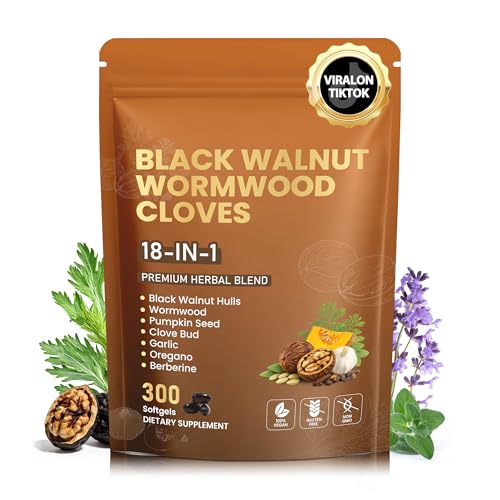
- CleanseParasites Herbal Parasite Cleanse Powder Editor’s Pick
Contains wormwood alongside black walnut hull, cloves, and other traditional parasite-cleanse herbs. - Herb Pharm Intestinal Tract Defense with Wormwood
liquid, 1 fl oz — A Herb Pharm herbal formula containing wormwood extract, not a single-herb wormwood tincture - AlchePharma Organic Wormwood Capsules
capsules, 90 vegan capsules — Single-herb organic Artemisia absinthium, non-GMO and gluten-free - Nature’s Answer Black Walnut and Wormwood Alcohol-Free Extract
liquid, 2 fl oz, 2,000 mg per serving — Alcohol-free dropper extract; a black walnut and wormwood combination, not single-herb wormwood - Frontier Co-op Wormwood Herb, Cut and Sifted
cut and sifted dried herb, 16 oz bulk bag — Bulk dried herb for traditional tea preparation, kosher certified
As an Amazon Associate we earn from qualifying purchases. Quality varies widely — always choose a product with a published third-party test (COA) before buying.
A Note on the Evidence
Wormwood supplements contain thujone, a neurotoxin that can cause seizures at high doses; they are contraindicated in pregnancy, breastfeeding, and seizure disorders, and can interact with several medication classes. Human evidence for anti-parasitic effects is limited to small studies and traditional use; wormwood should not replace medical diagnosis or prescription treatment for parasitic infections.
Frequently Asked Questions
What is the difference between wormwood and sweet wormwood?
Wormwood (Artemisia absinthium) contains absinthin, artabsin, and thujone, while sweet wormwood (Artemisia annua) contains artemisinin, a validated antimalarial drug. They are different species with distinct chemical profiles and uses.
Is thujone-free wormwood effective?
Thujone-free or thujone-controlled products retain the bitter sesquiterpene lactones (absinthin, artabsin) responsible for digestive stimulation and in vitro anti-parasitic activity, so they can still offer traditional benefits without the neurotoxic risk.
Can wormwood treat a diagnosed parasitic infection?
Wormwood should not replace prescription antiparasitic medication. Human clinical evidence is limited to small studies; most data are from lab and animal research. Always follow a healthcare provider’s treatment plan for confirmed infections.
How long can I safely take wormwood?
Due to thujone accumulation and neurotoxicity risk, traditional practice and safety guidelines suggest limiting continuous use to 2-4 weeks followed by a break of at least one week. Long-term daily use is not recommended.
What should I look for on a wormwood supplement label?
Look for: Latin name (Artemisia absinthium), plant part (aerial parts), extraction method, amount per serving, thujone content or thujone-control statement, third-party testing certification, and batch number.
Does wormwood interact with medications?
Yes. Wormwood may interact with drugs metabolized by liver CYP450 enzymes, anticonvulsants, antidepressants, sedatives, and can affect drug absorption via bitter reflex stimulation. Consult your prescriber before combining.
References
- Regulation (EC) No 1334/2008 of the European Parliament and of the Council on flavourings, Annex III Part B (maximum levels of thujone in compound food as consumed). EUR-Lex
- 21 CFR 172.510, Natural flavoring substances and natural substances used in conjunction with flavors. Part 172, Food Additives Permitted for Direct Addition to Food for Human Consumption. U.S. Food and Drug Administration. eCFR
- TTB Industry Circular 2007-5, Use of the Term Absinthe for Distilled Spirits. Alcohol and Tobacco Tax and Trade Bureau. TTB
- Pelkonen O et al. Thujone and thujone-containing herbal medicinal and botanical products: toxicological assessment. Regulatory toxicology and pharmacology : RTP (2013). PMID 23201408
These statements have not been evaluated by the Food and Drug Administration. This information is not intended to diagnose, treat, cure, or prevent any disease. Content is for informational purposes only and is not medical advice; consult a qualified healthcare provider before starting any supplement. As an Amazon Associate we earn from qualifying purchases.