Wormwood (Artemisia absinthium) is a traditional bitter herb used for digestive support and parasitic infections, best known as the flavoring in absinthe. Its proposed anti-parasitic activity comes from sesquiterpene lactones and volatile oils that disrupt parasite membranes in laboratory studies, but robust human clinical trials are lacking.
The herb contains thujone, a neurotoxic compound that can cause seizures at high doses or with prolonged use. Because of this risk, any supplement should be thujone-controlled, used only for short courses, and avoided in pregnancy, breastfeeding, and by people taking anticonvulsants or certain medications. This guide explains what to look for on a label and what questions to ask before buying.
Key Takeaways
- Prioritize products that disclose thujone content per dose in milligrams. No pharmacopeial or regulatory thujone limit applies to supplements, and the 10 ppm figure often quoted is the TTB’s threshold for distilled spirits labeled absinthe[1].
- Choose standardized extracts with a Certificate of Analysis showing marker compounds (absinthin), thujone, heavy metals, and microbial limits.
- Use only for short courses (2–4 weeks) with a break afterward; do not take continuously.
- Avoid essential oil for internal use; select tinctures or capsules for oral supplementation.
- Confirm the label lists contraindications for pregnancy, seizure disorders, and drug interactions.
Understand the Thujone Safety Threshold
Thujone is a monoterpene ketone found in wormwood essential oil that acts on GABA-A receptors and can trigger seizures in susceptible individuals. Regulatory bodies in the EU and US set maximum thujone limits for food and beverage products (e.g., 35 mg/kg in beverages containing Artemisia species), but dietary supplements are not uniformly standardized for thujone content. A quality product will disclose its thujone level per dose in milligrams. Treat a bare compliance claim with suspicion: 10 ppm is 0.001% and 0.1% is 1,000 ppm, so the two numbers differ by a factor of 100, and neither is a supplement standard. The 10 ppm figure belongs to the TTB, which uses it to clear distilled spirits labeled absinthe[1].
Because thujone accumulates with repeated dosing, supplements should be labeled for short-term use only (typically 2–4 weeks maximum) with a clear washout period. Products that encourage daily, indefinite use are a red flag.
Look for Standardized Extracts, Not Just Whole Herb
Whole-herb powders vary widely in absinthin, artabsin, and volatile oil content depending on harvest time, geography, and drying method. Standardized extracts guarantee a minimum percentage of key bitter principles (often sesquiterpene lactones expressed as absinthin) while controlling thujone. Common standardization markers include 0.2–0.3% absinthin or a defined ratio of extract to raw herb (e.g., 4:1 or 10:1) with a certificate of analysis.

Tinctures (ethanol extracts) and supercritical CO2 extracts can concentrate both the desired lactones and thujone. A reputable manufacturer will provide a batch-specific HPLC or GC-MS profile showing both marker compounds and thujone levels.
Verify Third-Party Testing and Contaminant Screening
Botanical supplements can harbor heavy metals, pesticide residues, mycotoxins, and microbial contamination. Since wormwood is often wild-harvested or grown in regions with variable agricultural oversight, independent lab testing is essential. Look for a Certificate of Analysis (CoA) from an ISO 17025-accredited lab that covers: identity (botanical verification via HPTLC or DNA barcoding), potency (marker compounds), thujone content, heavy metals (lead, arsenic, cadmium, mercury), residual solvents (if extracted), and microbial limits (USP <2021>/<2022> or equivalent).
Brands that publish CoAs on their website or provide them on request demonstrate transparency. If a company only cites “GMP compliance” without sharing actual test data, treat that as a gap.
Choose the Right Form for Your Intended Use
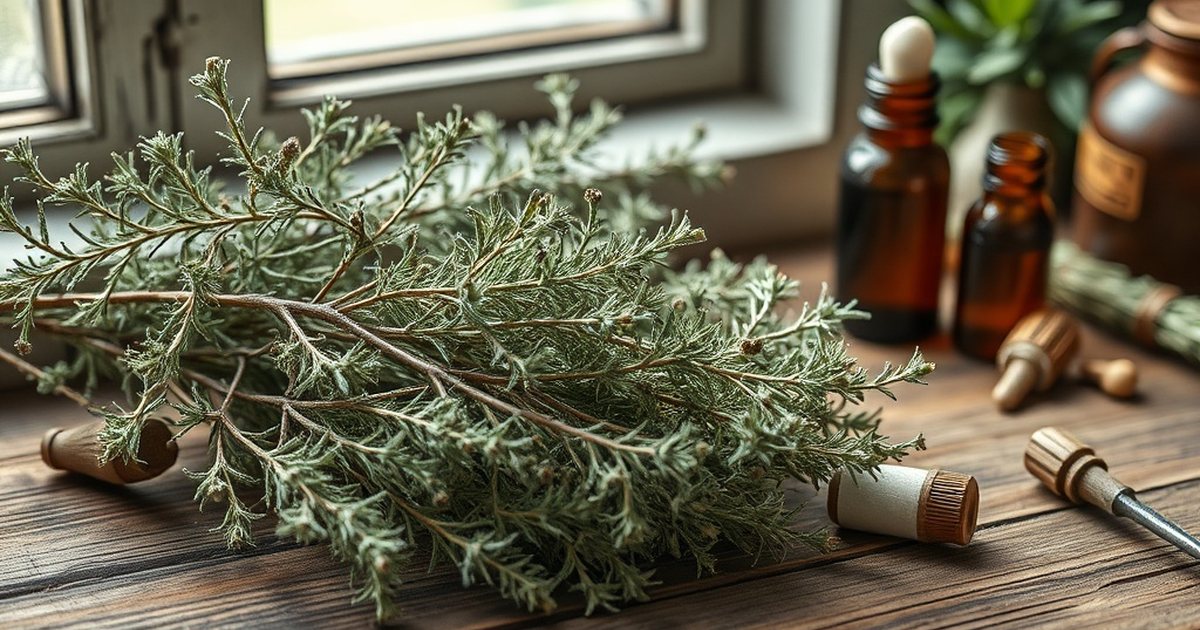
Wormwood is sold as dried herb (for tea), liquid extracts (tinctures, glycerites), capsules/tablets (powdered herb or standardized extract), and essential oil. For digestive bitters, a low-dose tincture (1–2 mL of 1:5 in 50% ethanol) taken 15 minutes before meals is traditional. For anti-parasitic protocols, practitioners often use standardized extract capsules delivering a defined amount of sesquiterpene lactones, but human dosing guidelines are extrapolated from animal and in vitro data.
Essential oil should never be ingested. Its thujone content is chemotype-dependent rather than fixed — published GC/MS analyses range from about 1% trans-thujone in a low-thujone chemotype[2] to 18.6% beta-thujone in wild Iranian material[3] — so an unlabeled oil carries an unknown dose. Even at the low end, one gram of oil delivers roughly 10 mg of thujone, over three times the 3 mg per person per day EMA allows from wormwood herb preparations[4], and a documented case of acute renal failure followed ingestion of oil of wormwood bought online[5]. Topical use also requires dilution. If a product label suggests internal use of essential oil, avoid it.

Check for Contraindications and Drug Interactions on the Label
A responsible label will prominently warn: not for use in pregnancy or breastfeeding (thujone is a known abortifacient and neurotoxin); avoid if you have a seizure disorder or take anticonvulsants; caution with antidepressants, anxiolytics, or any CNS-active drugs; potential interaction with drugs metabolized by CYP450 enzymes (especially CYP2A6, CYP3A4) because wormwood constituents can inhibit or induce these pathways; discontinue at least two weeks before surgery.
If the label lacks these warnings or suggests the product is “safe for everyone,” it does not reflect the known pharmacology.
Evaluate the Manufacturer’s Sourcing and Sustainability Practices
Artemisia absinthium is a hardy perennial native to Europe and Asia, but overharvesting of wild populations can threaten local ecosystems and lead to adulteration with other Artemisia species (e.g., A. vulgaris, A. annua). Reputable brands disclose country of origin, cultivation method (organic, wild-crafted with permits, or cultivated), and harvest season (flowering tops harvested in mid-summer typically have higher lactone content).
Certifications such as USDA Organic, FairWild, or GACP (Good Agricultural and Collection Practice) add credibility. If the product uses “wormwood” without specifying the species (A. absinthium vs. A. annua), it may be misidentified — sweet wormwood (A. annua) is the source of artemisinin and has a different safety and efficacy profile.
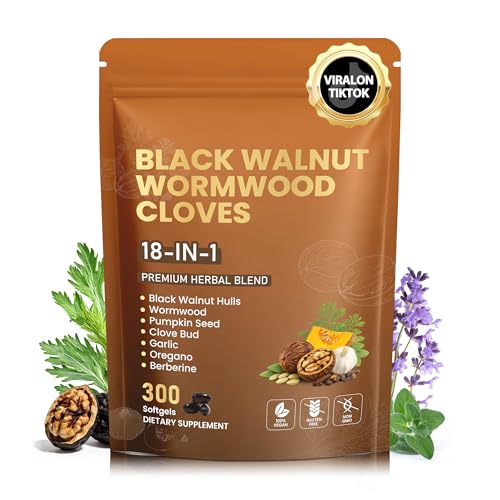
🛒 Where to Buy Wormwood (Artemisia absinthium)
- CleanseParasites Herbal Parasite Cleanse Powder Editor’s Pick
Contains wormwood alongside black walnut hull, cloves, and other traditional parasite-cleanse herbs. - Herb Pharm Intestinal Tract Defense with Wormwood
liquid, 1 fl oz — A Herb Pharm herbal formula containing wormwood extract, not a single-herb wormwood tincture - AlchePharma Organic Wormwood Capsules
capsules, 90 vegan capsules — Single-herb organic Artemisia absinthium, non-GMO and gluten-free - Nature’s Answer Black Walnut and Wormwood Alcohol-Free Extract
liquid, 2 fl oz, 2,000 mg per serving — Alcohol-free dropper extract; a black walnut and wormwood combination, not single-herb wormwood - Frontier Co-op Wormwood Herb, Cut and Sifted
cut and sifted dried herb, 16 oz bulk bag — Bulk dried herb for traditional tea preparation, kosher certified
As an Amazon Associate we earn from qualifying purchases. Quality varies widely — always choose a product with a published third-party test (COA) before buying.
A Note on the Evidence
Wormwood supplements contain thujone, which is neurotoxic and can cause seizures at high doses or with prolonged use. Human clinical evidence for anti-parasitic effects is limited to traditional use and preclinical studies. This article is informational only and not medical advice; consult a qualified healthcare provider before using wormwood, especially if you have a seizure disorder, are pregnant or breastfeeding, or take prescription medications.
Frequently Asked Questions
What is the difference between wormwood (Artemisia absinthium) and sweet wormwood (Artemisia annua)?
Wormwood (A. absinthium) contains thujone and bitter sesquiterpene lactones like absinthin; it is used traditionally for digestion and parasites. Sweet wormwood (A. annua) produces artemisinin, a frontline antimalarial drug, and has a different chemical and safety profile. They are not interchangeable.
Can I take wormwood daily for general wellness?
No. Due to thujone’s neurotoxicity and seizure risk, wormwood supplements are intended for short-term use only (typically 2–4 weeks) followed by a washout period. Daily indefinite use is not supported by safety data.

How do I know if a wormwood supplement is low in thujone?
Look for a batch-specific Certificate of Analysis that reports thujone in milligrams per serving. There is no pharmacopeial thujone limit for supplements to comply with; the 10 ppm figure sometimes quoted is the TTB’s threshold for distilled spirits labeled absinthe[1]. If the manufacturer cannot provide a batch CoA, assume thujone content is uncontrolled.
Is wormwood effective for parasites in humans?
Most evidence for anti-parasitic effects comes from in vitro and animal studies. There are no large, well-controlled randomized clinical trials in humans confirming efficacy or optimal dosing for parasitic infections. It should not replace medical diagnosis or prescription antiparasitic treatment.
What drug interactions should I be aware of?
Wormwood may interact with anticonvulsants (thujone lowers seizure threshold), antidepressants and anxiolytics (CNS effects), and drugs metabolized by CYP450 enzymes (especially CYP2A6 and CYP3A4). Consult a pharmacist or physician before combining with any medication.
Can I use wormwood during pregnancy or breastfeeding?
No. Thujone is a known abortifacient and neurotoxin; wormwood is contraindicated in pregnancy and breastfeeding.
References
- TTB Industry Circular 2007-5, Use of the Term Absinthe for Distilled Spirits. Alcohol and Tobacco Tax and Trade Bureau. TTB
- Judžentienė A et al. Low-Thujone A. absinthium L. (Wormwood) Essential Oils and Extracts with Potential Antioxidative/Prooxidant Activity. Molecules (2026). PMID 42197106
- Rezaeinodehi A, Khangholi S. Chemical composition of the essential oil of Artemisia absinthium growing wild in Iran. Pakistan Journal of Biological Sciences (2008). PMID 18814663
- Committee on Herbal Medicinal Products (HMPC). Public statement on the use of herbal medicinal products containing thujone, EMA/HMPC/732886/2010. European Medicines Agency. EMA public statement (PDF)
- Weisbord SD, Soule JB, Kimmel PL. Poison on line — acute renal failure caused by oil of wormwood purchased through the Internet. The New England Journal of Medicine (1997). PMID 9297113
These statements have not been evaluated by the Food and Drug Administration. This information is not intended to diagnose, treat, cure, or prevent any disease. Content is for informational purposes only and is not medical advice; consult a qualified healthcare provider before starting any supplement. As an Amazon Associate we earn from qualifying purchases.