Wormwood, botanically Artemisia absinthium, is one of the most storied bitter herbs in Western medicine. Long before it became infamous as the flavoring behind absinthe, it was a staple of traditional apothecaries, used for digestive complaints, fevers, and intestinal worms. Its intensely bitter taste is not incidental; it’s the plant’s calling card, driven by compounds like absinthin and artabsin.
This article traces wormwood’s path from ancient and medieval herbal medicine to its 19th-century fame (and infamy) in absinthe and vermouth, and separates it clearly from its more famous relative, Artemisia annua (sweet wormwood), the source of the antimalarial drug artemisinin. Understanding this history helps explain both why wormwood is still discussed today and why it needs to be handled with real caution.
Key Takeaways
- Wormwood (Artemisia absinthium) has a long history in traditional medicine for digestion, fevers, and intestinal parasites, and is the herb that gave absinthe and vermouth their names.
- It is a different plant from Artemisia annua (sweet wormwood), the source of the proven antimalarial drug artemisinin, wormwood itself does not contain artemisinin.
- Its proposed anti-parasitic activity is attributed to sesquiterpene lactones (absinthin, artabsin) and volatile oils, based mainly on traditional use and in-vitro/animal research, not large human trials.
- Thujone, a neurotoxic compound in wormwood, can cause seizures at high doses or with prolonged use, thujone-controlled, short-course use only.
- Avoid in pregnancy and breastfeeding, and be cautious of interactions with anticonvulsants, antidepressants, and liver-metabolized drugs; this is not a substitute for medical diagnosis or treatment.
A Bitter Herb in Ancient and Traditional Medicine
Artemisia absinthium has a documented history stretching across ancient Egyptian, Greek, and Roman medical traditions, where bitter herbs were widely used to stimulate digestion and address what herbalists described as ‘worms’ or intestinal parasites. Bitterness itself was considered therapeutic: bitter compounds were thought to stimulate digestive secretions and appetite, a use that persists in modern bitters and aperitifs.
Traditional use of wormwood for expelling intestinal parasites predates any modern pharmacological understanding of why it might work. This traditional reputation is exactly why it has drawn renewed interest as a research target, but traditional use is not the same as clinical proof, and the two should not be conflated when evaluating wormwood today.
Wormwood and the Rise of Absinthe
Wormwood’s most famous cultural moment came in the 18th and 19th centuries as the defining ingredient of absinthe, the high-proof anise-and-herb spirit that became a cultural phenomenon in Belle Époque France. Absinthe’s association with artists and writers of the era, along with sensational claims about its psychoactive effects, cemented wormwood’s reputation as something both alluring and dangerous.

That reputation led to absinthe bans across much of Europe and the United States in the early 20th century, driven largely by concerns about thujone, the neurotoxic compound naturally present in wormwood. Modern absinthe production, where still legal, uses thujone-controlled formulations, a direct legacy of that history and a preview of the same safety concern that applies to wormwood supplements today.
Wormwood in Vermouth and Culinary Bitters
Beyond absinthe, wormwood gave vermouth its name, derived from the German ‘wermut’ (wormwood), reflecting the herb’s traditional role as a base botanical in fortified, bittered wines. Long before absinthe’s rise, wormwood-infused wines were used both as digestive tonics and social drinks, blurring the line between medicine and beverage that was common in pre-modern herbalism.
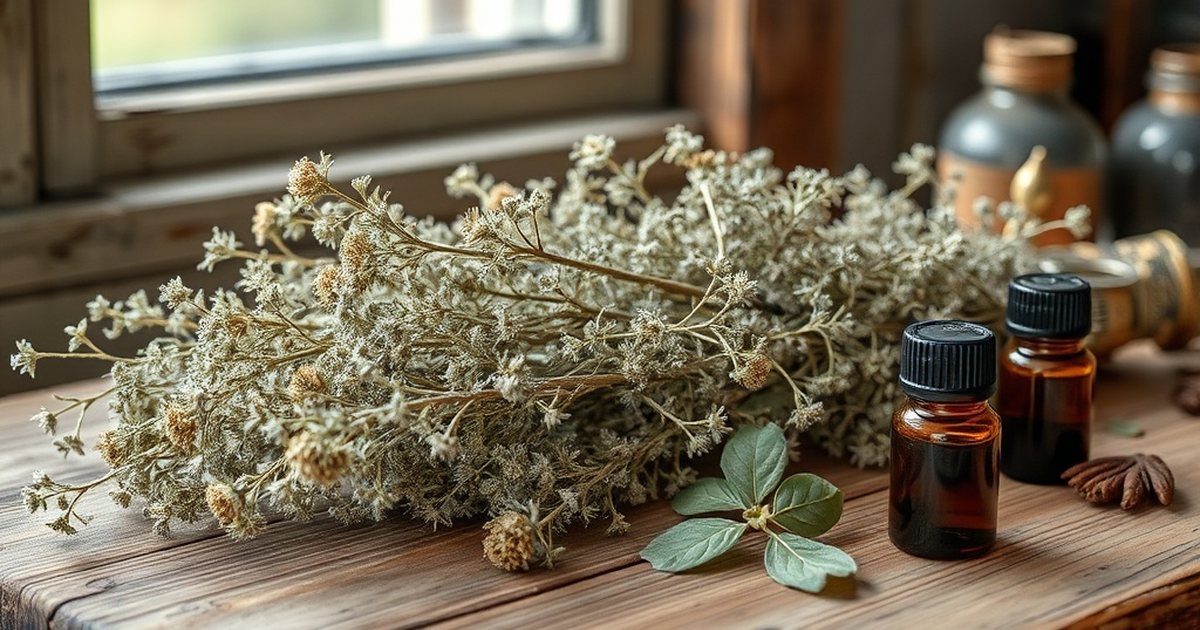
This culinary and medicinal overlap is a useful reminder that ‘traditional use’ often meant a substance was consumed regularly and in small amounts as part of daily life, not administered as a targeted, dosed treatment the way a modern supplement or drug would be.
Two Different Artemisia Species: Absinthium vs. Annua
A common point of confusion is between Artemisia absinthium (wormwood) and Artemisia annua (sweet wormwood). They are related but botanically and chemically distinct. Artemisia annua’s key active compound, artemisinin, is a validated, frontline antimalarial drug used worldwide against Plasmodium parasites that cause malaria.
Artemisia absinthium does not contain artemisinin. Its historical and proposed anti-parasitic activity is instead attributed to a different set of compounds, sesquiterpene lactones such as absinthin and artabsin, along with volatile oil constituents, which appear in vitro to disrupt parasite membranes and metabolism. This is a mechanistically different story from artemisinin’s proven antimalarial action, and the two herbs should not be treated as interchangeable, despite the shared name and family.

What the Evidence Actually Supports Today
Most of what is known about wormwood’s anti-parasitic potential comes from traditional use records and in-vitro or animal studies looking at how its sesquiterpene lactones and volatile oils affect parasite cells in a lab setting. This kind of evidence can point toward a plausible mechanism, but it is a long way from large, well-controlled human trials.
The research behind that mechanism is worth naming directly. Essential oil from cultivated Artemisia absinthium showed activity at the highest concentrations tested against two parasitic protozoa, Trypanosoma cruzi and Trichomonas vaginalis, with the effect tracking to two constituents of the oil, trans-caryophyllene and dihydrochamazulene; those same two fractions were not toxic to a non-tumour human cell line, which is what makes the activity look selective rather than simply poisonous to everything[1]. A review of the wider genus found that A. absinthium, alongside several other Artemisia species, inhibited trypanosomes in laboratory work, while describing that field of research as still in its infancy[2].

What happens when laboratory activity is tested in a living animal is the part that parasite-cleanse marketing tends to leave out. A 2025 study of naturally infected goats in Peru found up to 81.8 percent inhibition of larval motility in a dish at the highest extract concentration, and then found no significant reduction in fecal egg counts when the same extract was actually fed to the animals at the dose tested[3]. Promising in vitro and null in vivo is a common pattern, and it is exactly why laboratory findings should not be read as evidence that a wormwood supplement clears parasites in people.
Wormwood has been through controlled human trials, but not for parasites. A double-blind placebo-controlled study gave 40 Crohn’s disease patients on stable steroid doses a herbal blend containing wormwood for 10 weeks[4], and a separate controlled trial of 20 Crohn’s patients reported serum TNF-alpha falling over six weeks of dried powdered wormwood[5]. The first dosed a blend rather than wormwood on its own, so it cannot isolate the herb’s contribution. Neither trial examined parasite clearance, which is the use wormwood supplements are actually sold for.
Why Thujone Changes the Safety Calculation
Thujone is the compound most responsible for wormwood’s dual reputation, prized historically for its purported effects, and restricted today because of documented neurotoxicity. At high doses or with prolonged use, thujone can trigger seizures: alpha-thujone modulates the GABA type A receptor, and in mice its poisoning signs resemble those of the classical antagonist picrotoxinin and are alleviated by diazepam and phenobarbital[6]. That is precisely why regulated absinthe production controls thujone content and why wormwood extracts intended for internal use should also be thujone-controlled and limited to short courses. One correction the absinthe story usually needs: chemical analysis of thirteen authentic pre-ban absinthes measured total thujone between 0.5 and 48.3 mg/L and concluded that pre-ban levels had generally been overestimated, with modern absinthes falling in a similar range[7].
Wormwood is contraindicated in pregnancy and breastfeeding, and it can interact with anticonvulsants, antidepressants, and other drugs metabolized by the liver. Given that most human evidence for its anti-parasitic effects is traditional or preclinical rather than from large randomized controlled trials, wormwood should not be used to self-diagnose or self-treat a suspected parasitic infection in place of medical care.
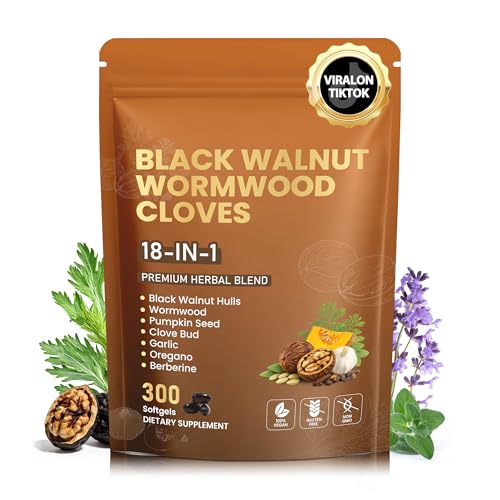
🛒 Where to Buy Wormwood (Artemisia absinthium)
- CleanseParasites Herbal Parasite Cleanse Powder Editor’s Pick
Contains wormwood alongside black walnut hull, cloves, and other traditional parasite-cleanse herbs. - Herb Pharm Intestinal Tract Defense with Wormwood
liquid, 1 fl oz — A Herb Pharm herbal formula containing wormwood extract, not a single-herb wormwood tincture - AlchePharma Organic Wormwood Capsules
capsules, 90 vegan capsules — Single-herb organic Artemisia absinthium, non-GMO and gluten-free - Nature’s Answer Black Walnut and Wormwood Alcohol-Free Extract
liquid, 2 fl oz, 2,000 mg per serving — Alcohol-free dropper extract; a black walnut and wormwood combination, not single-herb wormwood - Frontier Co-op Wormwood Herb, Cut and Sifted
cut and sifted dried herb, 16 oz bulk bag — Bulk dried herb for traditional tea preparation, kosher certified
As an Amazon Associate we earn from qualifying purchases. Quality varies widely — always choose a product with a published third-party test (COA) before buying.
A Note on the Evidence
This article is informational, not medical advice; wormwood’s anti-parasitic evidence in humans is limited mostly to traditional use and preclinical studies, and its thujone content carries real neurotoxicity risk, so anyone considering it, especially those who are pregnant, breastfeeding, or on anticonvulsants, antidepressants, or liver-metabolized drugs, should consult a doctor rather than self-treat a suspected parasitic infection.
Frequently Asked Questions
Is wormwood the same plant used to make artemisinin?
No. Artemisinin comes from Artemisia annua (sweet wormwood), a related but distinct species. Common wormwood, Artemisia absinthium, does not contain artemisinin and works through a different proposed mechanism involving sesquiterpene lactones and volatile oils.
Why was absinthe banned?
Absinthe bans in the early 20th century were driven largely by concerns about thujone, a neurotoxic compound in wormwood that was blamed (along with high alcohol content and moral panic of the era) for reported psychoactive and health effects. Modern legal absinthe uses thujone-controlled formulations.
Does wormwood actually kill parasites in humans?
The evidence is mostly traditional use plus in-vitro and animal studies suggesting sesquiterpene lactones and volatile oils can disrupt parasite membranes and metabolism. Large randomized controlled trials in humans are lacking, so it should not be relied on as a proven parasite treatment.
Why is vermouth named after wormwood?
Vermouth’s name derives from the German word ‘wermut,’ meaning wormwood, reflecting the herb’s traditional role as a bittering botanical in fortified wine long used as a digestive tonic.
Is wormwood safe to take as a supplement?
Only thujone-controlled products used for short courses should be considered, and even then with caution. It is contraindicated in pregnancy and breastfeeding and can interact with anticonvulsants, antidepressants, and other liver-metabolized medications. Speak with a doctor before use, especially if you suspect a parasitic infection.
What does 'thujone-controlled' mean?
It means the product has been tested and formulated to limit thujone content to levels considered safer, the same regulatory approach used for legal modern absinthe. It doesn’t eliminate risk, especially with prolonged or high-dose use.
References
- Martinez-Diaz RA et al. Trypanocidal, trichomonacidal and cytotoxic components of cultivated Artemisia absinthium Linnaeus (Asteraceae) essential oil. Mem Inst Oswaldo Cruz (2015). PMID 26107187
- Nass J et al. The activity of Artemisia spp. and their constituents against Trypanosomiasis. Phytomedicine (2018). PMID 30166103
- Flores-Prado L et al. In vitro and in vivo anthelmintic activity of Artemisia absinthium against gastrointestinal nematodes of free-grazing goats from Ayacucho, Peru. J Adv Vet Anim Res (2025). PMID 41328231
- Omer B et al. Steroid-sparing effect of wormwood (Artemisia absinthium) in Crohn’s disease: a double-blind placebo-controlled study. Phytomedicine (2007). PMID 17240130
- Krebs S et al. Wormwood (Artemisia absinthium) suppresses tumour necrosis factor alpha and accelerates healing in patients with Crohn’s disease – A controlled clinical trial. Phytomedicine (2010). PMID 19962291
- Hold KM et al. Alpha-thujone (the active component of absinthe): gamma-aminobutyric acid type A receptor modulation and metabolic detoxification. Proc Natl Acad Sci U S A (2000). PMID 10725394
- Lachenmeier DW et al. Chemical composition of vintage preban absinthe with special reference to thujone, fenchone, pinocamphone, methanol, copper, and antimony concentrations. J Agric Food Chem (2008). PMID 18419128
These statements have not been evaluated by the Food and Drug Administration. This information is not intended to diagnose, treat, cure, or prevent any disease. Content is for informational purposes only and is not medical advice; consult a qualified healthcare provider before starting any supplement. As an Amazon Associate we earn from qualifying purchases.