Wormwood (Artemisia absinthium) is a bitter, aromatic herb with a long history in traditional digestive tonics, fever remedies, and folk anti-parasitic preparations. It’s also the plant most associated with absinthe, the once-controversial spirit named for it. Much of wormwood’s reputation, both therapeutic and cautionary, traces back to a handful of chemical compounds concentrated in its leaves and flowering tops.
This article breaks down the three groups of compounds most often discussed in connection with wormwood: thujone, absinthin, and the broader family of sesquiterpene lactones. Understanding what each one is, and isn’t, helps make sense of both wormwood’s traditional uses and the real safety concerns that come with it. This is educational content, not medical advice, and it should not be used to self-treat a suspected parasitic infection.
Key Takeaways
- Thujone is wormwood’s neuroactive compound: it’s linked to real seizure risk at high doses and is the main reason wormwood extracts need to be thujone-controlled and short-course only.
- Absinthin and artabsin are sesquiterpene lactones responsible for wormwood’s intense bitterness and its traditional digestive-tonic use.
- Proposed anti-parasitic effects are attributed to sesquiterpene lactones and volatile oils disrupting parasite membranes and metabolism, based mainly on in-vitro and animal research, not large human trials.
- Wormwood (Artemisia absinthium) is chemically distinct from Artemisia annua (sweet wormwood), the source of the antimalarial drug artemisinin, even though the two plants are related.
- Wormwood is contraindicated in pregnancy and breastfeeding and can interact with anticonvulsants, antidepressants, and liver-metabolized drugs.
Thujone: The Compound Behind Wormwood's Reputation and Its Risks
Thujone is a monoterpene ketone found in the essential oil of wormwood, existing in two forms, alpha- and beta-thujone, in varying ratios depending on the plant and how it’s processed. It’s the compound most responsible for wormwood’s notoriety, largely because of its history in absinthe and its neurological effects at higher doses.
Thujone is a known neurotoxin. It can act on GABA receptors in the brain in a way that reduces the calming, inhibitory signaling those receptors normally provide, and at sufficient doses this can produce restlessness, muscle spasms, or seizures. The evidence for that mechanism is unusually direct. Alpha-thujone competitively inhibits binding at the GABA-A receptor channel site, suppresses GABA-induced currents in neurons with the effect fully reversing after washout, and produces poisoning signs in animals resembling those of the classical channel blocker picrotoxinin — signs relieved by diazepam and phenobarbital, both of which act on the same receptor [1]. A regulatory toxicological assessment of thujone-containing herbal products puts the boundaries in numbers: neurotoxicity is the principal toxic outcome in both acute and chronic studies, and the best available estimates for an allowable daily intake from herbal preparations and diet are on the order of 3 to 7 mg per day [2]. That same assessment is careful in the other direction too, noting that the modern view somewhat downgrades thujone’s risk to humans and that the human dose-concentration-effect relationship remains one of the important gaps in the evidence — so this is a compound to respect, not to panic about.
This is why thujone content is restricted in foods and beverages in many countries, and why any wormwood extract intended for internal use should be thujone-controlled or thujone-free, used only in short courses, and avoided entirely by anyone with a seizure disorder, anyone on medications that lower the seizure threshold, and anyone who is pregnant or breastfeeding.
It’s worth separating wormwood’s thujone from the compound most people associate with Artemisia species today: artemisinin. Artemisinin comes from a different, related plant, Artemisia annua (sweet wormwood), and is a validated, frontline antimalarial drug. It is chemically distinct from thujone and from wormwood’s sesquiterpene lactones, and the antimalarial evidence behind artemisinin does not transfer to Artemisia absinthium.

Absinthin and Artabsin: The Bitter Sesquiterpene Lactones
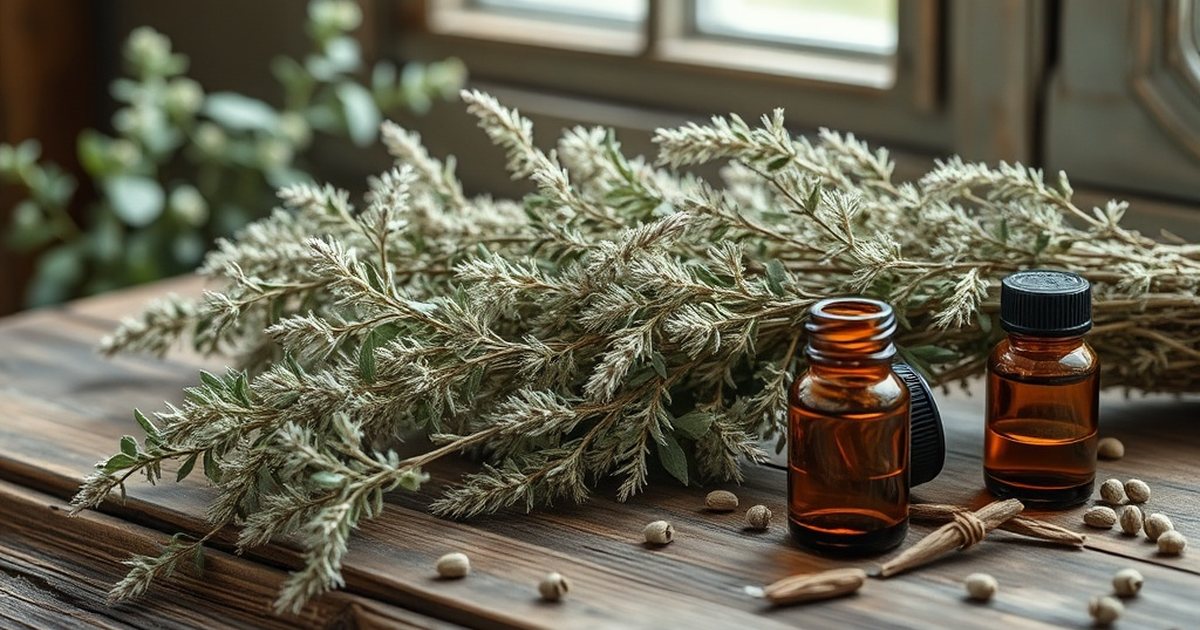
Absinthin and its related compound artabsin are sesquiterpene lactones, a class of bitter-tasting plant compounds that give wormwood its characteristically intense, lingering bitterness. Absinthin in particular is one of the most bitter substances known from a natural source, and it’s the primary reason wormwood has traditionally been used as a bitter digestive tonic, taken before meals to stimulate appetite and digestive secretions in traditional herbal practice.
In laboratory (in vitro) research, absinthin and artabsin have been studied for potential effects against parasites, with proposed mechanisms involving disruption of parasite cell membranes and interference with their metabolic processes. These findings come from cell-based and animal research rather than large human clinical trials, so they describe biological plausibility rather than proven treatment efficacy in people.

How These Compounds Are Thought to Affect Parasites
The proposed anti-parasitic mechanism for wormwood centers on its combination of sesquiterpene lactones and volatile oil compounds, which in vitro studies suggest may disrupt the outer membranes of certain parasites and interfere with the metabolic pathways they rely on to survive. This is distinct from how conventional antiparasitic drugs work, and distinct from artemisinin’s mechanism against malaria parasites.
It’s important to be clear about the evidence base here: most of what’s known about wormwood’s anti-parasitic activity comes from traditional use, in-vitro (test tube) experiments, and animal studies. There is not a robust body of large, well-controlled randomized trials in humans confirming that wormwood reliably clears intestinal parasites. That gap matters, especially for anyone considering wormwood as a substitute for medical diagnosis or treatment of a confirmed or suspected parasitic infection.

Why Whole-Plant Extracts Differ from Isolated Compounds
Commercial wormwood products vary widely in their composition. Some are standardized to control thujone content specifically because of its neurotoxic risk, while others are less regulated and may contain higher or more variable thujone levels. The ratio of thujone to sesquiterpene lactones like absinthin also shifts depending on growing conditions, harvest timing, and extraction method (alcohol tincture versus water infusion versus essential oil, for example), which means two wormwood products can differ meaningfully in both their bitter, digestive-tonic properties and their risk profile. The size of that variation has been measured, and it is larger than most buyers would assume. A study of eleven wild wormwood populations from Central Europe, grown together under identical conditions so that genetics rather than environment drove the differences, found essential oil content ranging from 0.75 to 1.69 g per 100 g of dry herb and identified 41 separate compounds — and, critically, sorted the populations into distinct chemotypes, only ONE of which was a thujone chemotype, while others were dominated by sabinyl acetate [3]. Two batches of genuine, correctly identified Artemisia absinthium can therefore have substantially different thujone content before any processing decision is made, which is why a published certificate of analysis matters more here than the species name on the label.
This variability is one reason generic ‘wormwood’ as a category is hard to evaluate consistently: a low-thujone tea infusion and a concentrated essential oil are not comparable in either their traditional digestive use or their safety margin.
Safety Considerations Tied Directly to These Compounds
Because thujone is neuroactive, wormwood extracts intended for any internal use should be thujone-controlled and used only for short courses rather than ongoing daily use. A pharmacological review of the plant notes that long-term use of Artemisia absinthium essential oil in humans has been associated with convulsions, sleeplessness and hallucinations [4] — which is the clearest reason the short-course framing is a safety measure rather than a marketing convention. Wormwood is contraindicated in pregnancy and breastfeeding, and it can interact with anticonvulsant medications, antidepressants, and other drugs that are metabolized by the liver, since shared metabolic pathways can change how those drugs behave in the body.
Anyone with a seizure history, anyone currently on the medication classes above, and anyone considering wormwood for a suspected parasitic infection should talk to a doctor first rather than self-treating. Wormwood’s traditional and in-vitro evidence does not establish it as a substitute for proper diagnosis and treatment of a parasitic infection.
🛒 Where to Buy Wormwood (Artemisia absinthium)
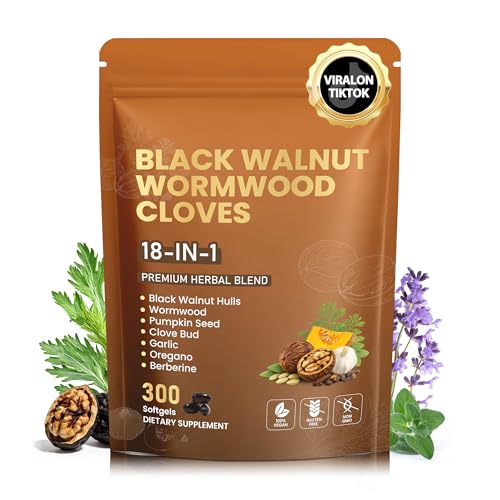
- CleanseParasites Herbal Parasite Cleanse Powder Editor’s Pick
Contains wormwood alongside black walnut hull, cloves, and other traditional parasite-cleanse herbs. - Herb Pharm Intestinal Tract Defense with Wormwood
liquid, 1 fl oz — A Herb Pharm herbal formula containing wormwood extract, not a single-herb wormwood tincture - AlchePharma Organic Wormwood Capsules
capsules, 90 vegan capsules — Single-herb organic Artemisia absinthium, non-GMO and gluten-free - Nature’s Answer Black Walnut and Wormwood Alcohol-Free Extract
liquid, 2 fl oz, 2,000 mg per serving — Alcohol-free dropper extract; a black walnut and wormwood combination, not single-herb wormwood - Frontier Co-op Wormwood Herb, Cut and Sifted
cut and sifted dried herb, 16 oz bulk bag — Bulk dried herb for traditional tea preparation, kosher certified
As an Amazon Associate we earn from qualifying purchases. Quality varies widely — always choose a product with a published third-party test (COA) before buying.
A Note on the Evidence
This article is informational only and not medical advice; wormwood’s anti-parasitic evidence in humans is limited, and its thujone content carries real neurotoxic risk, so anyone considering it, especially those who are pregnant, breastfeeding, have a seizure history, or take anticonvulsants or antidepressants, should consult a doctor first.
Frequently Asked Questions
Is wormwood the same as sweet wormwood (Artemisia annua)?
No. Wormwood (Artemisia absinthium) and sweet wormwood (Artemisia annua) are related but distinct species with different active compounds. Sweet wormwood contains artemisinin, a validated antimalarial drug, while wormwood’s notable compounds are thujone, absinthin, and artabsin.
What does thujone actually do to the body?
Thujone is a neuroactive ketone that can interfere with GABA receptor signaling in the brain, and at high doses or with prolonged use it has been linked to seizures and other neurotoxic effects. This is why thujone-controlled extracts and short-course use are recommended.
Is there strong scientific proof wormwood kills parasites in humans?
Not yet at the level of large randomized controlled trials. Most anti-parasitic evidence for wormwood comes from traditional use and in-vitro or animal studies showing effects attributed to sesquiterpene lactones and volatile oils, which is a different standard of evidence than a proven human treatment.
Why is wormwood associated with absinthe?
Wormwood is the namesake botanical in absinthe, and its thujone content was historically blamed for the drink’s more extreme reputed effects, though the concentrations in modern regulated absinthe are controlled.
Who should avoid wormwood entirely?
People who are pregnant or breastfeeding, anyone with a history of seizures, and anyone taking anticonvulsants, antidepressants, or other liver-metabolized medications should avoid wormwood or only use it under medical supervision, due to thujone’s neurotoxicity and potential drug interactions.
Can wormwood replace a doctor's treatment for a parasitic infection?
No. Human evidence for wormwood’s anti-parasitic effects is limited to traditional use and lab/animal studies rather than robust clinical trials, so it should not replace medical diagnosis or treatment of a suspected parasitic infection.
References
- Hold KM et al. Alpha-thujone (the active component of absinthe): gamma-aminobutyric acid type A receptor modulation and metabolic detoxification. Proc Natl Acad Sci U S A (2000). PMID 10725394
- Pelkonen O et al. Thujone and thujone-containing herbal medicinal and botanical products: toxicological assessment. Regul Toxicol Pharmacol (2013). PMID 23201408
- Kosakowska O et al. Intraspecific Variability of Wormwood (Artemisia absinthium L.) Occurring in Poland in Respect of Developmental and Chemical Traits. Molecules (2025). PMID 40733181
- Batiha GE et al. Bioactive Compounds, Pharmacological Actions, and Pharmacokinetics of Wormwood (Artemisia absinthium). Antibiotics (Basel) (2020). PMID 32585887
These statements have not been evaluated by the Food and Drug Administration. This information is not intended to diagnose, treat, cure, or prevent any disease. Content is for informational purposes only and is not medical advice; consult a qualified healthcare provider before starting any supplement. As an Amazon Associate we earn from qualifying purchases.