Wormwood (Artemisia absinthium) has been a staple of European herbal medicine for centuries, valued intensely for its pronounced bitterness[1]. Across medieval monasteries, folk practices, and early pharmacopeias, it was employed to stimulate appetite, ease digestive stagnation, address intestinal worms, and manage febrile illnesses.
This article surveys those traditional indications, distinguishes wormwood from its relative Artemisia annua (sweet wormwood), and outlines the safety considerations — particularly the neurotoxic constituent thujone — that limit its modern use to short courses of thujone-controlled preparations under professional guidance.
Key Takeaways
- Wormwood (Artemisia absinthium) was a cornerstone of European herbal medicine for digestion, parasites, and fevers, rooted in its intense bitterness and volatile oil content.
- Its anti-parasitic reputation is supported by in-vitro data on sesquiterpene lactones and thujone, but human clinical evidence is lacking; it should not replace medical diagnosis or prescription antiparasitic therapy.
- Thujone neurotoxicity necessitates thujone-controlled extracts, short courses, and avoidance in pregnancy, breastfeeding, seizure disorders, and with certain medications.
- Wormwood is distinct from Artemisia annua (sweet wormwood), the source of the antimalarial drug artemisinin; the two species have different chemical profiles and validated uses.
- Modern regulatory frameworks limit wormwood to low-thujone preparations for mild, self-limiting digestive complaints under professional supervision.
Historical Context in European Herbalism
Wormwood appears in some of the earliest European medical texts, including the writings of Hippocrates and Dioscorides, where it was noted for its warming, drying qualities and its ability to ‘cleanse’ the digestive tract. In the medieval period, Benedictine and Cistercian monasteries cultivated it extensively in physic gardens, incorporating it into complex formulas for ‘stomach weakness’ and ‘putrid fevers.’
By the Renaissance, wormwood was a standard entry in European dispensatories such as the London Pharmacopoeia and the German Dispensatorium. Its reputation as a ‘bitter tonic’ — a remedy that reflexively stimulates digestive secretions via taste receptors — became a unifying concept across Germanic, French, and British herbal traditions.
Digestive Complaints and the Bitter Tonic Principle
The primary traditional use of wormwood across Europe was for dyspepsia, loss of appetite, bloating, and sluggish digestion. Practitioners prepared it as a cold infusion, a tincture, or a wine maceration (vinum absinthii), administered in small doses before meals.

The rationale centered on its intense bitterness, attributed to sesquiterpene lactones such as absinthin and artabsin. In the humoral framework, this bitterness was thought to stimulate bile flow and ‘strengthen the stomach.’ Modern pharmacology confirms that bitter tastants can trigger cephalic-phase gastric secretion and motility, offering a plausible mechanism for these historical claims.
Antiparasitic Applications
Expelling intestinal worms — particularly roundworms and pinworms — was a hallmark indication for wormwood in European folk and professional medicine. The herb’s very name in several languages (wermut, absinthe, assenzio) reflects this association.
Traditional preparations included concentrated decoctions, enemas, and powdered herb mixed with honey or syrup for children. The proposed anti-parasitic mechanism is linked to sesquiterpene lactones and volatile oil compounds (including thujone) that disrupt parasite membranes and metabolism in vitro. However, human evidence remains limited to traditional case reports and animal studies; no large randomized controlled trials validate efficacy or optimal dosing[2][3].

Fevers and Infectious Illness
Wormwood was frequently included in febrifuge formulas during seasonal epidemics of malaria-like ague, typhus, and influenza. It was often combined with other bitter or aromatic herbs such as gentian, centaury, or yarrow.
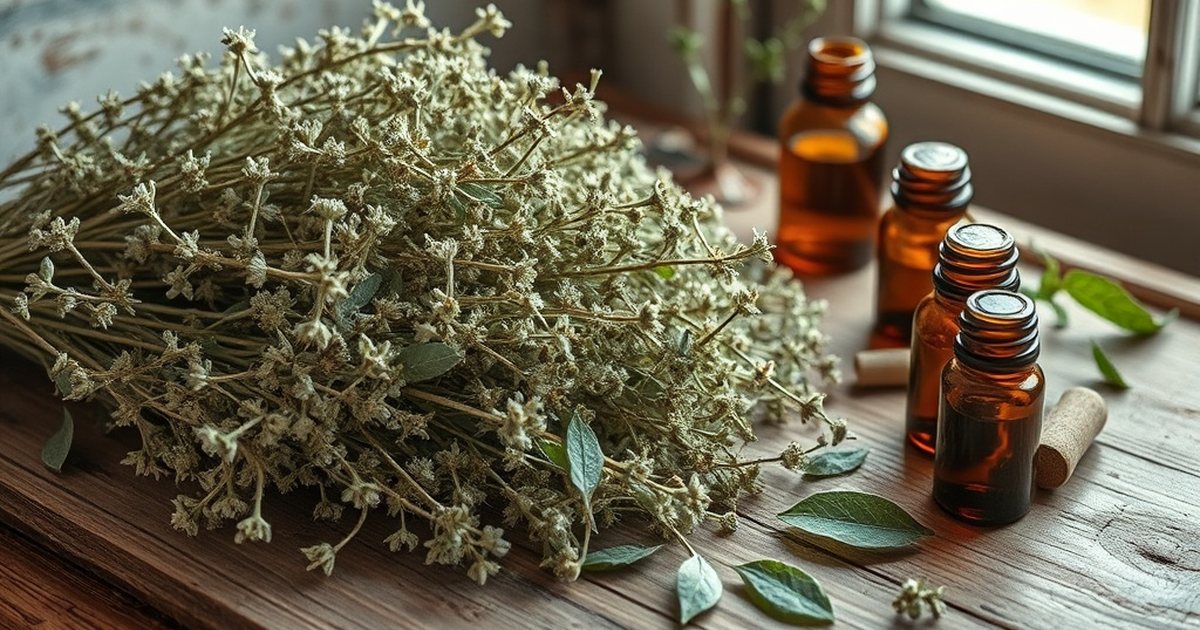
The antipyretic reputation may stem from general immune-modulatory effects of sesquiterpene lactones and from the herb’s ability to promote sweating (diaphoresis) when given as a hot infusion. Importantly, wormwood (Artemisia absinthium) is chemically distinct from Artemisia annua (sweet wormwood), the source of the validated antimalarial drug artemisinin; the two species should not be conflated.

Role in Alcoholic Beverages: Absinthe and Vermouth
Beyond medicinal use, wormwood is the defining flavoring of absinthe, the high-proof spirit that originated in Switzerland and France in the late 18th century, and of vermouth, the aromatized wine from Italy and France. In these beverages, wormwood contributes the characteristic bitter note and, historically, variable amounts of thujone.
The 19th-century absinthe boom led to widespread chronic consumption, which — combined with high alcohol content and inconsistent thujone levels — was associated with neurotoxicity, seizures, and the syndrome termed ‘absinthism.’ Regulatory bans in the early 20th century restricted thujone content; modern EU and US regulations permit wormwood in food and drink only within strict thujone limits[4].
Safety, Contraindications, and Modern Regulatory Status
Thujone, a monoterpene ketone present in wormwood’s volatile oil, is neurotoxic at high doses and can lower the seizure threshold. This risk underpins the requirement for thujone-controlled extracts and the restriction to short-term use (typically 2–4 weeks).
Wormwood is contraindicated in pregnancy and breastfeeding due to potential uterine stimulation and thujone transfer. It may interact with anticonvulsants, antidepressants, and drugs metabolized by hepatic cytochrome P450 enzymes[5]. Individuals with seizure disorders, porphyria, or known allergy to Asteraceae family plants should avoid it. Current European herbal monographs (e.g., EMA, Commission E) approve only thujone-limited preparations for temporary loss of appetite and mild dyspeptic complaints.
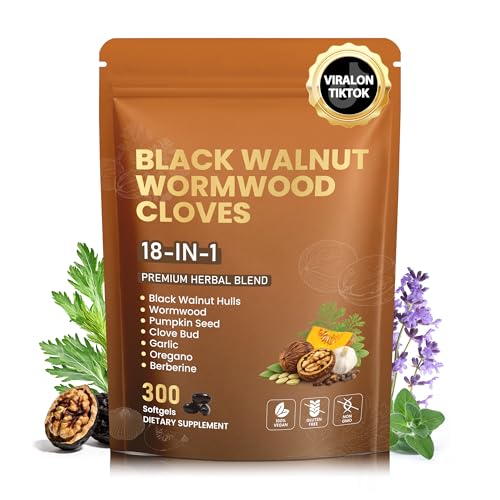
🛒 Where to Buy Wormwood (Artemisia absinthium)
- CleanseParasites Herbal Parasite Cleanse Powder Editor’s Pick
Contains wormwood alongside black walnut hull, cloves, and other traditional parasite-cleanse herbs. - Herb Pharm Intestinal Tract Defense with Wormwood
liquid, 1 fl oz — A Herb Pharm herbal formula containing wormwood extract, not a single-herb wormwood tincture - AlchePharma Organic Wormwood Capsules
capsules, 90 vegan capsules — Single-herb organic Artemisia absinthium, non-GMO and gluten-free - Nature’s Answer Black Walnut and Wormwood Alcohol-Free Extract
liquid, 2 fl oz, 2,000 mg per serving — Alcohol-free dropper extract; a black walnut and wormwood combination, not single-herb wormwood - Frontier Co-op Wormwood Herb, Cut and Sifted
cut and sifted dried herb, 16 oz bulk bag — Bulk dried herb for traditional tea preparation, kosher certified
As an Amazon Associate we earn from qualifying purchases. Quality varies widely — always choose a product with a published third-party test (COA) before buying.
A Note on the Evidence
This article is informational, not medical advice. Most human evidence for wormwood’s anti-parasitic and other effects comes from traditional use and in-vitro/animal studies, not large randomized controlled trials. Wormwood contains thujone, which is neurotoxic at high doses; use only thujone-controlled preparations for short courses, and avoid in pregnancy, breastfeeding, seizure disorders, and with interacting medications. Consult a qualified healthcare professional before using wormwood for any health condition.
Frequently Asked Questions
What is the difference between wormwood (Artemisia absinthium) and sweet wormwood (Artemisia annua)?
Wormwood contains absinthin, artabsin, and thujone; it is used traditionally for digestion and parasites. Sweet wormwood contains artemisinin, a validated frontline antimalarial drug. They are different species with distinct chemistry and evidence bases.
Can wormwood treat a confirmed parasitic infection?
Traditional use and in-vitro studies suggest anti-parasitic activity, but there are no large randomized controlled trials in humans. A suspected parasitic infection requires medical diagnosis and prescription treatment; wormwood should not be used as a substitute.
Is it safe to drink absinthe or vermouth regularly?
Modern absinthe and vermouth are regulated for thujone content. However, their alcohol content poses its own risks. Chronic high consumption of historical absinthe (with unregulated thujone) was linked to neurotoxicity; today’s products are safer but should still be consumed in moderation.
Who should avoid wormwood supplements?
Pregnant or breastfeeding women, people with seizure disorders, porphyria, Asteraceae allergy, or those taking anticonvulsants, antidepressants, or drugs metabolized by the liver should avoid wormwood. Consult a healthcare provider before use.
How long can wormwood be taken safely?
Guidelines generally limit use to 2–4 weeks with thujone-controlled preparations. Prolonged or high-dose use increases the risk of thujone-induced neurotoxicity and seizures.
Does wormwood have proven benefits for digestion?
Its bitter constituents reflexively stimulate gastric secretions and motility, providing a plausible mechanism for traditional digestive uses. However, robust clinical trial data for specific digestive conditions are limited.
References
- Szopa A et al. Artemisia absinthium L.-Importance in the History of Medicine, the Latest Advances in Phytochemistry and Therapeutical, Cosmetological and Culinary Uses. Plants (Basel, Switzerland) (2020). PMID 32825178
- Tariq KA et al. Anthelmintic activity of extracts of Artemisia absinthium against ovine nematodes. Veterinary parasitology (2009). PMID 19070963
- Beshay EVN. Therapeutic efficacy of Artemisia absinthium against Hymenolepis nana: in vitro and in vivo studies in comparison with the anthelmintic praziquantel. Journal of helminthology (2018). PMID 28606189
- Lachenmeier DW et al. Absinthe–a review. Critical reviews in food science and nutrition (2006). PMID 16891209
- Pelkonen O et al. Thujone and thujone-containing herbal medicinal and botanical products: toxicological assessment. Regulatory toxicology and pharmacology (2013). PMID 23201408
These statements have not been evaluated by the Food and Drug Administration. This information is not intended to diagnose, treat, cure, or prevent any disease. Content is for informational purposes only and is not medical advice; consult a qualified healthcare provider before starting any supplement. As an Amazon Associate we earn from qualifying purchases.