Wormwood, or Artemisia absinthium, is one of the most recognizable bitter herbs in Western herbal history. Long before it became famous as the flavoring agent in absinthe and vermouth, it was used across Europe, parts of Asia, and folk medicine traditions as a digestive bitter, a fever remedy, and a traditional treatment for intestinal worms.
This article looks at how different traditions used wormwood historically, what distinguishes it from its more famous relative Artemisia annua (sweet wormwood, the source of the antimalarial drug artemisinin), and why modern use of wormwood extracts requires real caution. This is historical and educational information, not a recommendation to self-treat a parasitic infection or any other condition.
Key Takeaways
- Wormwood (Artemisia absinthium) has a long history as a European bitter tonic and folk anti-parasitic herb, distinct from its relative Artemisia annua, the source of the antimalarial drug artemisinin.
- Its proposed anti-parasitic mechanism involves sesquiterpene lactones and volatile oils that appear to disrupt parasite membranes in vitro, but human evidence is mostly traditional and preclinical, not large clinical trials.
- Wormwood contains thujone, a neurotoxic compound linked to seizures at high doses or with prolonged use[1], so extracts should be thujone-controlled and used only in short courses.
- It is contraindicated in pregnancy and breastfeeding and can interact with anticonvulsants, antidepressants, and liver-metabolized drugs.
- Wormwood should never replace medical diagnosis or treatment for a suspected parasitic infection.
What Is Wormwood, and Why the Name?
Artemisia absinthium is a silvery, aromatic perennial native to Europe, Asia, and North Africa. Its common name reflects its oldest recorded use: as a bitter remedy believed to expel intestinal worms. European herbalists from antiquity through the early modern period listed it among the standard anthelmintic (worm-expelling) bitters[2], usually taken as an infusion or tincture before meals.
The plant’s intense bitterness comes from sesquiterpene lactones, including absinthin and artabsin, along with a volatile oil rich in compounds like thujone. These constituents are central to both wormwood’s traditional reputation and its modern safety concerns, which are discussed later in this article.
European Herbal Tradition
In European herbalism, wormwood held a place as a classic ‘bitter tonic.’ Bitters were traditionally taken before meals to stimulate digestion, and wormwood was considered one of the strongest available. It also appeared in traditional remedies for fevers, poor appetite, and as a general digestive complaint remedy alongside other bitter herbs like gentian and centaury.

Its most famous historical application outside direct medicine is as the namesake flavoring in absinthe, the anise-and-wormwood spirit that became popular (and controversial) in 19th-century France, and as a traditional botanical in vermouth[2][3], whose name derives from the German word for wormwood (Wermut). These culinary and social uses grew directly out of its established reputation as a bitter digestive herb, though the concentrations and thujone content in modern spirits are regulated and very different from traditional medicinal preparations.
Chinese and Broader Asian Use of Artemisia Species
Several Artemisia species have long histories in Chinese medicine, most notably Artemisia argyi (used in moxibustion) and Artemisia annua (qinghao), which was referenced in Chinese medical texts for fever and is the source of artemisinin, a compound later developed into a validated frontline antimalarial drug. It is important to distinguish these species from Artemisia absinthium (common wormwood), which is the primary subject of this article and is not the source of artemisinin.

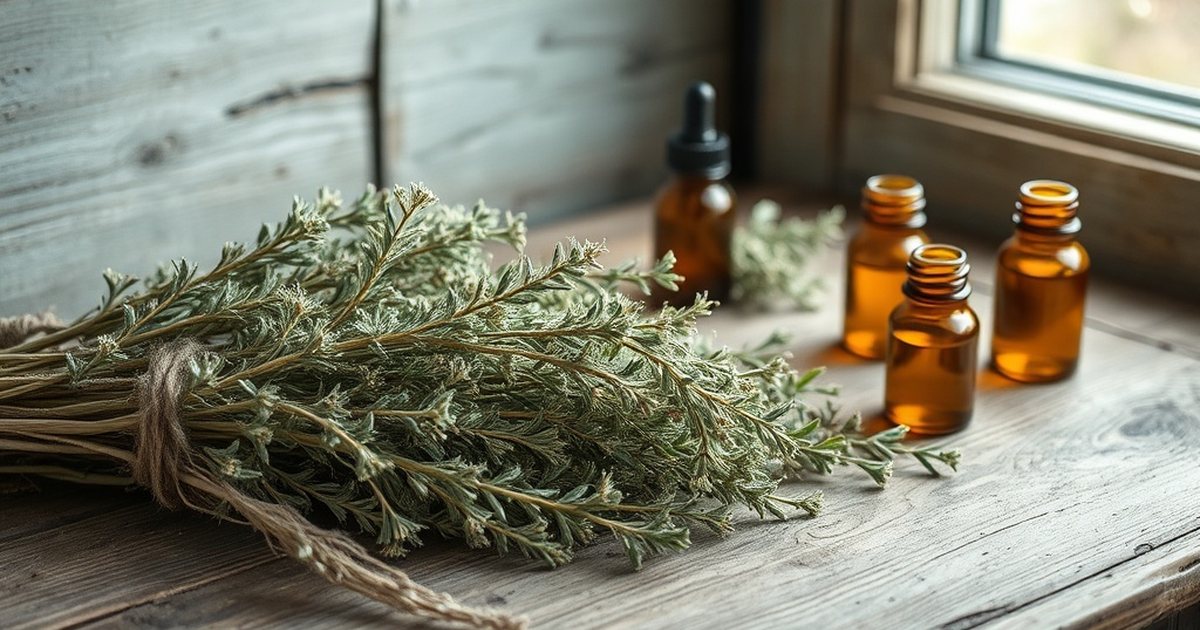
Because these Artemisia species are botanically related but pharmacologically distinct, traditional and modern discussions of ‘wormwood’ sometimes blur the line between them. Common wormwood’s traditional use profile, bitter digestive tonic, feverfew-style remedy, anthelmintic, is separate from sweet wormwood’s specific antimalarial chemistry.
Folk Use as an Anti-Parasitic Remedy
Across many folk medicine traditions, wormwood was combined with other bitter or aromatic herbs (such as clove and black walnut hull in some modern folk protocols) as part of a traditional approach to intestinal parasites. The proposed mechanism, based on laboratory and animal research rather than large human trials, is that wormwood’s sesquiterpene lactones and volatile oil compounds may disrupt parasite membranes and metabolic processes in vitro.
It is worth being direct about the evidence gap here: most support for wormwood’s anti-parasitic effects comes from traditional use, combined with in-vitro and animal studies, rather than large randomized controlled trials in humans[4][5][2]. That distinction matters when deciding whether traditional use translates into a reliable modern treatment.

Thujone and Why Wormwood Requires Caution
Wormwood contains thujone, a compound that is neurotoxic and can trigger seizures at high doses or with prolonged use. This is the central reason wormwood extracts are typically thujone-controlled in modern commercial products and why traditional use emphasized short courses rather than ongoing daily use.
Wormwood is contraindicated in pregnancy and breastfeeding, and it can interact with anticonvulsant medications, antidepressants, and other drugs metabolized by the liver. Anyone considering a wormwood-containing product should treat it as a short-term, thujone-controlled preparation at most, not a long-term supplement.
How Wormwood Fits Into Modern Wellness Products
Today, wormwood most commonly appears in commercial ‘parasite cleanse’ blends, bitters tinctures, and digestive formulas, almost always alongside other herbs. Reputable products disclose thujone content and recommend limited-duration use rather than indefinite daily intake, reflecting the same caution traditional herbalists applied even before the neurotoxicity of thujone was chemically characterized.
Given the thin human evidence base, wormwood is best understood as a traditional bitter and folk anti-parasitic herb with a real safety profile to respect, not a substitute for medical diagnosis or treatment of a suspected parasitic infection.
🛒 Where to Buy Wormwood (Artemisia absinthium)
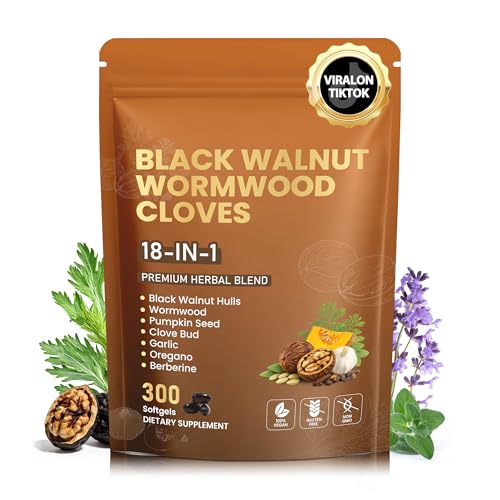
- CleanseParasites Herbal Parasite Cleanse Powder Editor’s Pick
Contains wormwood alongside black walnut hull, cloves, and other traditional parasite-cleanse herbs. - Herb Pharm Intestinal Tract Defense with Wormwood
liquid, 1 fl oz — A Herb Pharm herbal formula containing wormwood extract, not a single-herb wormwood tincture - AlchePharma Organic Wormwood Capsules
capsules, 90 vegan capsules — Single-herb organic Artemisia absinthium, non-GMO and gluten-free - Nature’s Answer Black Walnut and Wormwood Alcohol-Free Extract
liquid, 2 fl oz, 2,000 mg per serving — Alcohol-free dropper extract; a black walnut and wormwood combination, not single-herb wormwood - Frontier Co-op Wormwood Herb, Cut and Sifted
cut and sifted dried herb, 16 oz bulk bag — Bulk dried herb for traditional tea preparation, kosher certified
As an Amazon Associate we earn from qualifying purchases. Quality varies widely — always choose a product with a published third-party test (COA) before buying.
A Note on the Evidence
Human evidence for wormwood’s anti-parasitic effects comes mainly from traditional use and in-vitro or animal studies, not large randomized controlled trials, and its thujone content carries real neurotoxicity risk at high doses or with prolonged use. This article is informational only; anyone with a suspected parasitic infection, who is pregnant or breastfeeding, or who takes anticonvulsants, antidepressants, or liver-metabolized medications should consult a doctor before considering wormwood.
Frequently Asked Questions
Is wormwood the same plant used to make absinthine, the antimalarial drug?
No. Artemisia absinthium (common wormwood) is a different species from Artemisia annua (sweet wormwood), which is the source of artemisinin, a validated antimalarial drug. The two plants are related but have very different chemistry and traditional uses.
What did Europeans traditionally use wormwood for?
European herbal tradition used wormwood mainly as a bitter digestive tonic taken before meals, as well as a traditional remedy for fevers and intestinal worms. It’s also the namesake botanical in absinthe and vermouth.
Is wormwood safe to take regularly?
No, wormwood is not considered safe for regular, long-term use. It contains thujone, a neurotoxic compound that can trigger seizures at high doses or with prolonged use, so traditional and modern guidance both favor short, thujone-controlled courses only.
Can wormwood actually kill intestinal parasites?
Laboratory and animal studies suggest wormwood’s sesquiterpene lactones and volatile oils may disrupt parasite membranes and metabolism, but this evidence is largely in-vitro and traditional rather than from large human clinical trials, so it should not be relied on as a proven treatment.
Who should avoid wormwood?
Wormwood is contraindicated in pregnancy and breastfeeding. It can also interact with anticonvulsant medications, antidepressants, and drugs metabolized by the liver, so anyone on these medications should talk to a doctor before use.
Does wormwood use in Chinese medicine refer to the same plant?
Not exactly. Chinese medicine traditions draw on several Artemisia species, including Artemisia annua and Artemisia argyi, which have distinct traditional uses and chemistry from common wormwood (Artemisia absinthium).
References
- Pelkonen O et al. Thujone and thujone-containing herbal medicinal and botanical products: toxicological assessment. Regulatory toxicology and pharmacology (2013). PMID 23201408
- Szopa A et al. Artemisia absinthium L.-Importance in the History of Medicine, the Latest Advances in Phytochemistry and Therapeutical, Cosmetological and Culinary Uses. Plants (Basel, Switzerland) (2020). PMID 32825178
- Lachenmeier DW et al. Absinthe–a review. Critical reviews in food science and nutrition (2006). PMID 16891209
- Tariq KA et al. Anthelmintic activity of extracts of Artemisia absinthium against ovine nematodes. Veterinary parasitology (2009). PMID 19070963
- Beshay EVN. Therapeutic efficacy of Artemisia absinthium against Hymenolepis nana: in vitro and in vivo studies in comparison with the anthelmintic praziquantel. Journal of helminthology (2018). PMID 28606189
These statements have not been evaluated by the Food and Drug Administration. This information is not intended to diagnose, treat, cure, or prevent any disease. Content is for informational purposes only and is not medical advice; consult a qualified healthcare provider before starting any supplement. As an Amazon Associate we earn from qualifying purchases.