Wormwood (Artemisia absinthium) is the bitter herb behind absinthe and vermouth, traditionally used for digestive complaints, fevers, and intestinal parasites[1]. It’s a different plant from Artemisia annua (sweet wormwood), whose compound artemisinin is a validated antimalarial drug — wormwood proper has a much thinner evidence base, resting mostly on traditional use and laboratory or animal studies rather than large human trials.
If you’re considering wormwood, the format you choose (tincture, capsule, or tea) changes more than convenience. It changes how much thujone — a neurotoxic compound in the plant’s volatile oil — you’re likely to consume, how consistent your dose is, and how easy it is to stay within a short, controlled course. This article compares the three forms honestly, including their real tradeoffs and who should avoid wormwood altogether.
Key Takeaways
- Tincture: fastest-acting and easiest to titrate drop-by-drop, but concentration varies by brand and it contains alcohol.
- Capsule: most consistent, trackable dose, especially if labeled thujone-controlled, but slower onset.
- Tea: gentlest and most traditional, but steep time and technique make potency the least predictable of the three.
- Thujone is neurotoxic at high doses or with prolonged use[2], so any format should be used short-term and, where possible, thujone-controlled.
- Wormwood is contraindicated in pregnancy and breastfeeding, and can interact with anticonvulsants, antidepressants, and liver-metabolized drugs — check with a doctor first.
What Wormwood Is Actually Used For, and What the Evidence Covers
Traditional use of wormwood centers on digestion (as a classic bitter to stimulate appetite and bile flow), fever reduction, and expelling intestinal parasites. Its proposed anti-parasitic activity is attributed to sesquiterpene lactones like absinthin and artabsin, along with volatile oil compounds thought to disrupt parasite membranes and metabolism in laboratory (in vitro) settings.
It’s worth being direct about the evidence gap: most support for wormwood’s anti-parasitic effects comes from traditional use and in-vitro or animal research, not large randomized controlled trials in humans. That doesn’t mean the mechanism is implausible, but it does mean you should treat wormwood as an adjunct at most, not a substitute for medical diagnosis or treatment of a confirmed parasitic infection.
Tincture: Fast-Acting but Hardest to Dose Precisely
A tincture is an alcohol-based extract, usually taken in drops diluted in water. Because it’s absorbed quickly, effects (including any bitter digestive response) tend to show up sooner than with capsules. Tinctures also let you titrate dose drop by drop, which some people find useful for finding their own tolerance.

The tradeoff is that tincture concentration varies a lot between brands, and unless a product explicitly states it’s thujone-controlled, you have limited insight into how much thujone you’re actually consuming per drop. Alcohol content is also a consideration for anyone avoiding alcohol, including in recovery, during pregnancy, or on medications that interact with it.
Capsules: The Most Consistent Dosing, But Slower Onset
Capsules deliver a standardized amount of dried herb or extract per dose, which makes them the easiest format for tracking exactly how much wormwood — and, ideally, how much thujone — you’re taking over a short course. This matters because thujone is neurotoxic at high doses or with prolonged use and can trigger seizures; a thujone-controlled, standardized capsule is the format best suited to staying within a conservative, time-limited course.
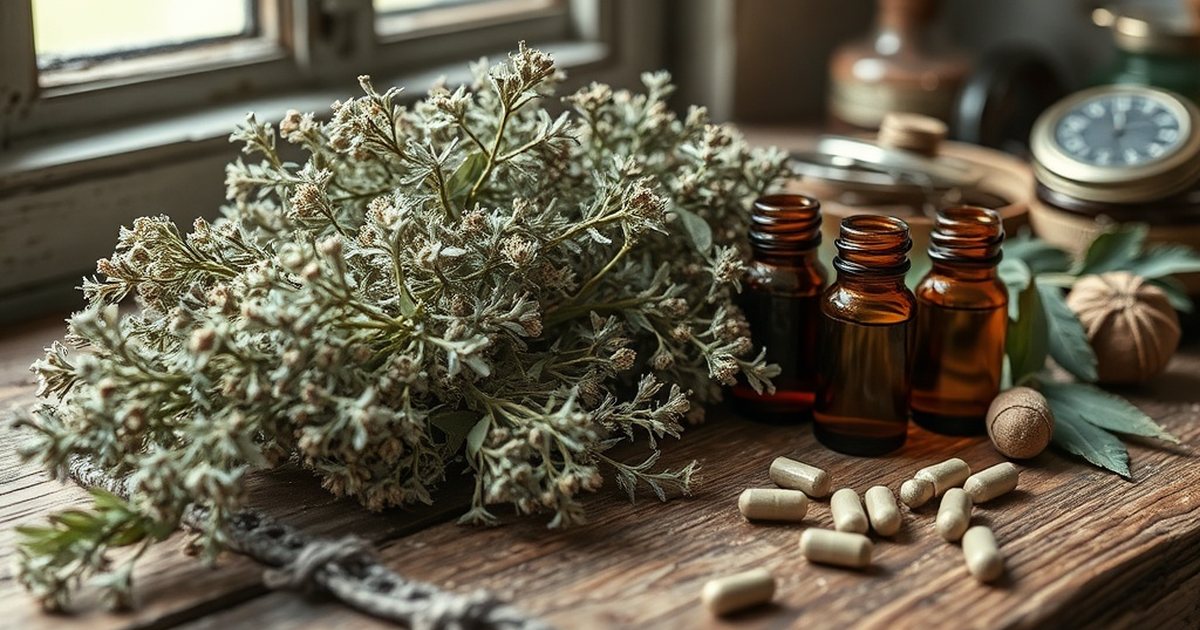
The downside is slower onset (capsules must dissolve and be absorbed through digestion) and no ability to adjust dose mid-course the way tincture drops allow. You’re also trusting the label — look for products that specify thujone content or state they’re thujone-controlled, since regulation of herbal supplements varies and not all products disclose this.
Tea: Gentlest Exposure, Least Predictable Strength
Wormwood tea, made by steeping the dried herb, is the traditional bitter-tonic format and tends to deliver a gentler, more diffuse dose than concentrated tinctures or capsules — partly because thujone and other volatile compounds are only partially extracted by hot water and partly evaporate during steeping.

That gentleness comes with a real drawback: potency is highly inconsistent. Steep time, water temperature, herb quality, and how tightly you cover the cup all change how much of the volatile oil ends up in your cup. Tea is the hardest format to standardize, which makes it a poor choice if you’re trying to track cumulative thujone exposure over a course, even though its intense bitterness makes overconsumption in a single sitting less likely.
Comparing the Three Directly
For dosing precision, capsules (especially thujone-controlled ones) win, followed by tincture drops, with tea the least predictable. For speed of effect, tincture tends to act fastest, tea next, capsules slowest. For avoiding alcohol, capsules and tea are preferable to tincture. For staying within a short, defined course, and avoiding thujone buildup, a standardized capsule with disclosed thujone content is generally the safer default, though none of the three formats have been directly compared against each other in controlled human studies.

Who Should Avoid Wormwood in Any Form
Wormwood in any format is contraindicated in pregnancy and breastfeeding. It can interact with anticonvulsants, antidepressants, and other drugs metabolized by the liver, so anyone on these medications should talk to a doctor or pharmacist before use. Because thujone accumulates in effect with prolonged use, wormwood in any form should be limited to a short course rather than ongoing daily use, and anyone with a seizure history or seizure risk factors should avoid it entirely.
If you suspect an actual parasitic infection, wormwood in any format is not a substitute for diagnosis and treatment; see a doctor for testing and appropriate antiparasitic therapy.
🛒 Where to Buy Wormwood (Artemisia absinthium)
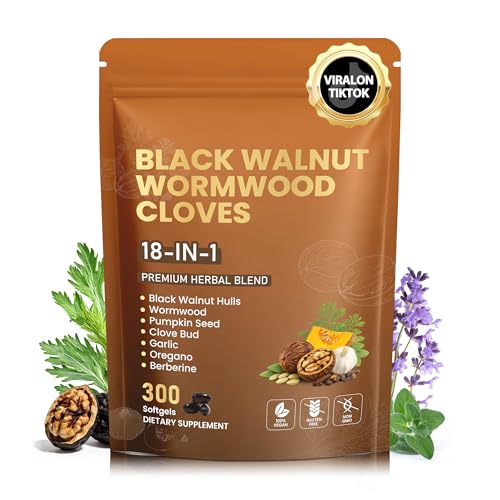
- CleanseParasites Herbal Parasite Cleanse Powder Editor’s Pick
Contains wormwood alongside black walnut hull, cloves, and other traditional parasite-cleanse herbs. - Herb Pharm Intestinal Tract Defense with Wormwood
liquid, 1 fl oz — A Herb Pharm herbal formula containing wormwood extract, not a single-herb wormwood tincture - AlchePharma Organic Wormwood Capsules
capsules, 90 vegan capsules — Single-herb organic Artemisia absinthium, non-GMO and gluten-free - Nature’s Answer Black Walnut and Wormwood Alcohol-Free Extract
liquid, 2 fl oz, 2,000 mg per serving — Alcohol-free dropper extract; a black walnut and wormwood combination, not single-herb wormwood - Frontier Co-op Wormwood Herb, Cut and Sifted
cut and sifted dried herb, 16 oz bulk bag — Bulk dried herb for traditional tea preparation, kosher certified
As an Amazon Associate we earn from qualifying purchases. Quality varies widely — always choose a product with a published third-party test (COA) before buying.
A Note on the Evidence
Most evidence for wormwood’s anti-parasitic effects comes from traditional use and laboratory or animal studies, not large human trials, and thujone content is inconsistent across products and unregulated in many cases. Avoid wormwood in pregnancy or breastfeeding, use only short courses, and consult a doctor before use if you take anticonvulsants, antidepressants, or other liver-metabolized medications, or if you suspect a parasitic infection. This is informational only and not medical advice.
Frequently Asked Questions
Which form of wormwood is strongest?
Tincture tends to act fastest and can deliver a concentrated dose quickly, but ‘strongest’ also depends on the specific product’s thujone content, which varies by brand and isn’t always disclosed. A standardized capsule with stated thujone content gives you the clearest picture of dose.
Is wormwood tea safe to drink daily?
Because thujone can accumulate in effect with prolonged use and become neurotoxic, wormwood tea (or any wormwood format) is best limited to a short course rather than daily long-term use. Tea’s potency is also inconsistent batch to batch, making it harder to know your actual daily exposure.
Does wormwood actually kill parasites in humans?
Laboratory and animal studies suggest sesquiterpene lactones and volatile oil compounds in wormwood may disrupt parasite membranes and metabolism, but this hasn’t been confirmed in large human randomized controlled trials. It should not replace medical diagnosis or treatment of a suspected parasitic infection.
What's the difference between wormwood and sweet wormwood (Artemisia annua)?
They’re related but distinct plants. Sweet wormwood contains artemisinin, a validated frontline antimalarial drug, while wormwood proper (Artemisia absinthium) is a different bitter herb with a much thinner human evidence base and its own distinct risk profile from thujone.
Can I take wormwood if I'm on antidepressants?
Wormwood can interact with antidepressants and other drugs metabolized by the liver, so you should talk to a doctor or pharmacist before combining them, regardless of which form (tincture, capsule, or tea) you’re considering.
Is wormwood tincture the same as absinthe?
No. Absinthe is an alcoholic spirit flavored with wormwood among other botanicals, formulated for drinking as a beverage; a wormwood tincture is a concentrated herbal extract meant to be taken in small measured drops, not consumed as a drink.
References
- Szopa A et al. Artemisia absinthium L.-Importance in the History of Medicine, the Latest Advances in Phytochemistry and Therapeutical, Cosmetological and Culinary Uses. Plants (Basel, Switzerland) (2020). PMID 32825178
- Pelkonen O et al. Thujone and thujone-containing herbal medicinal and botanical products: toxicological assessment. Regulatory toxicology and pharmacology (2013). PMID 23201408
These statements have not been evaluated by the Food and Drug Administration. This information is not intended to diagnose, treat, cure, or prevent any disease. Content is for informational purposes only and is not medical advice; consult a qualified healthcare provider before starting any supplement. As an Amazon Associate we earn from qualifying purchases.