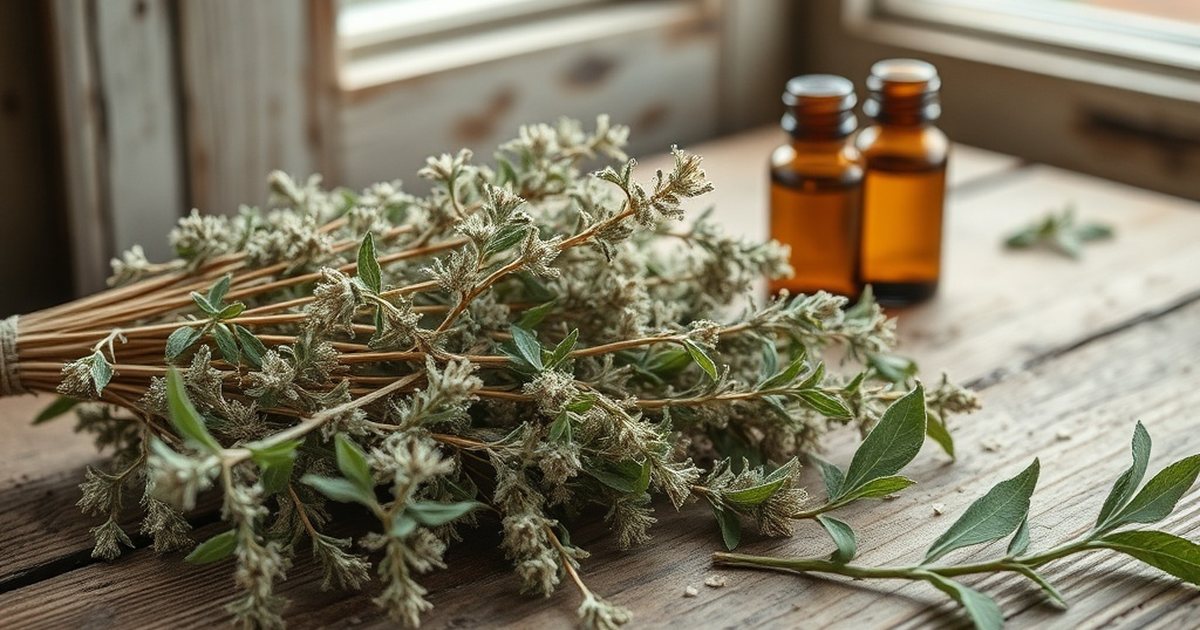
Wormwood (Artemisia absinthium) has a long history as a bitter tonic, taken in small amounts before meals to stimulate appetite and ease digestion. It’s the bittering agent that gave absinthe and vermouth their name and flavor, and traditional herbal medicine has used it for centuries for sluggish digestion, low appetite, and general dyspepsia.
The bitter taste itself is the proposed mechanism: bitter compounds are thought to trigger digestive reflexes, including saliva and gastric juice secretion, before food even arrives. This article looks at what’s actually been studied about bitters and digestion, where wormwood specifically fits in, and the safety considerations that come with a thujone-containing herb.
Key Takeaways
- Wormwood’s bitter taste is the traditional basis for its use as a pre-meal digestive stimulant, a mechanism supported indirectly by research on other bitter plants affecting gastric activity [1].
- Bitter herbal approaches are recognized as one option within phytotherapy for functional digestive complaints like poor appetite and bloating [2].
- Wormwood (Artemisia absinthium) is chemically and functionally distinct from Artemisia annua (sweet wormwood), whose artemisinin is a proven antimalarial, don’t conflate the two.
- Bitter-receptor pathways in the gut aren’t uniformly beneficial, research on a different bitter plant found a link to intestinal barrier dysfunction and microbiota changes [3].
- Wormwood contains thujone, a neurotoxic compound requiring thujone-controlled extracts, short courses only, and avoidance in pregnancy, breastfeeding, and with certain medications.
The Bitter Reflex: Why Bitter Herbs Are Used Before Meals
The traditional logic behind bitter digestive tonics is straightforward: bitter taste receptors in the mouth and gut are thought to kick off a cascade of digestive responses, including increased saliva and gastric secretions, in anticipation of a meal. This is why bitters are traditionally taken 10-15 minutes before eating rather than with or after food.
A review of phytotherapy approaches for functional gastrointestinal disorders found that bitter herbal preparations are among the plant-based options used to address symptoms like early satiety, bloating, and poor appetite that don’t have an identifiable structural cause [2]. This reflects a broader category of bitter-tasting botanicals, of which wormwood is one traditional example, rather than a wormwood-specific trial.

What Research on Bitter Plants Shows About Gastric Stimulation
Direct clinical trial data on wormwood alone for digestion is limited. Much of the supporting evidence comes from research on related bitter plant compounds and their effects on gastric activity, which helps explain the plausibility of the traditional use rather than proving wormwood itself works as advertised.
A study of iridoids and flavonoids from four Siberian gentian species, another classic family of bitter digestive herbs, found a gastric stimulatory effect tied to these bitter-tasting compound classes [1]. Wormwood contains its own bitter constituents (notably absinthin and artabsin, both sesquiterpene lactones), and while this gentian research doesn’t test wormwood directly, it supports the general principle that bitter-tasting plant compounds can influence gastric activity.

Wormwood's Specific Bitter Compounds
Wormwood’s bitterness comes primarily from sesquiterpene lactones called absinthin and artabsin, along with its essential oil. These are structurally distinct from the bitter iridoids and flavonoids studied in gentian, but they fall into the same broad category of plant compounds that impart a bitter taste and are traditionally credited with stimulating digestion.
It’s worth being precise about the difference between Artemisia absinthium (wormwood, the subject here) and its relative Artemisia annua (sweet wormwood). The latter’s compound artemisinin is a well-validated antimalarial drug with a completely different chemistry and mechanism. Traditional anti-parasitic claims for common wormwood are based on the idea that its sesquiterpene lactones and volatile oils disrupt parasite membranes and metabolism, but this evidence base is largely in-vitro and animal work rather than the kind of clinical evidence attached to artemisinin. That distinction matters, since the two plants are frequently confused in casual references.

Bitters, the Gut Lining, and an Important Caution
Not every plant compound that affects the gut does so in a beneficial way, and this is worth flagging directly rather than glossing over. Research on Nauclea officinalis, a different bitter-tasting plant, found that its interaction with bitter taste receptors (T2R) and the intestinal α-defensin pathway was linked to intestinal barrier dysfunction and shifts in gut microbiota [3]. This finding doesn’t involve wormwood, and it shouldn’t be read as proof that wormwood itself damages the gut lining. But it’s a useful reminder that “bitter compound interacts with T2R receptors” is not automatically a story with only positive digestive outcomes, the receptor pathway itself can go either direction depending on the specific compound and context, and this is an area where more direct wormwood-specific research would be valuable.
How Bitter Tonics Are Traditionally Used
Where wormwood-based bitters are used traditionally, they’re typically taken as a small diluted tincture or tea, a few minutes before a meal, rather than as a large dose or ongoing daily supplement. This traditional dosing pattern reflects both the intended mechanism (a brief pre-meal bitter taste trigger) and the safety profile of a thujone-containing herb, where short, controlled exposure is favored over prolonged use.
Commercial bitters products vary widely in wormwood content and thujone levels, and quality control is inconsistent across brands. Anyone considering a wormwood bitter should look for products that specify thujone-controlled extraction, since this is the compound most responsible for the herb’s safety concerns.
🛒 Where to Buy Wormwood (Artemisia absinthium)
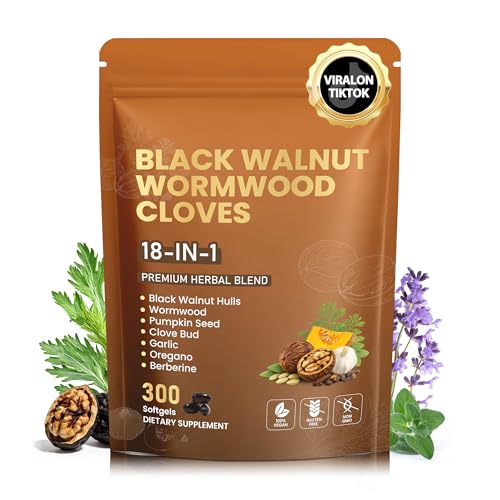
- CleanseParasites Herbal Parasite Cleanse Powder Editor’s Pick
Contains wormwood alongside black walnut hull, cloves, and other traditional parasite-cleanse herbs. - Herb Pharm Intestinal Tract Defense with Wormwood
liquid, 1 fl oz — A Herb Pharm herbal formula containing wormwood extract, not a single-herb wormwood tincture - AlchePharma Organic Wormwood Capsules
capsules, 90 vegan capsules — Single-herb organic Artemisia absinthium, non-GMO and gluten-free - Nature’s Answer Black Walnut and Wormwood Alcohol-Free Extract
liquid, 2 fl oz, 2,000 mg per serving — Alcohol-free dropper extract; a black walnut and wormwood combination, not single-herb wormwood - Frontier Co-op Wormwood Herb, Cut and Sifted
cut and sifted dried herb, 16 oz bulk bag — Bulk dried herb for traditional tea preparation, kosher certified
As an Amazon Associate we earn from qualifying purchases. Quality varies widely — always choose a product with a published third-party test (COA) before buying.
A Note on the Evidence
The evidence for wormwood’s digestive benefits is largely traditional and indirect, drawn from research on related bitter plants rather than large controlled trials of wormwood itself, and its anti-parasitic reputation rests mainly on in-vitro and animal studies. Because wormwood contains thujone, a neurotoxic compound, it should only be used as a thujone-controlled extract for short periods, avoided in pregnancy and breastfeeding, used cautiously with anticonvulsants, antidepressants, or liver-metabolized medications, and never substituted for medical diagnosis or treatment. This article is informational, not medical advice.
Frequently Asked Questions
Does wormwood actually improve digestion, or is that just tradition?
The traditional use is grounded in the bitter-taste-to-digestive-reflex mechanism, and phytotherapy reviews include bitter botanicals as an option for functional digestive symptoms [2]. Direct, large-scale clinical trials isolating wormwood specifically are limited, so much of the support is traditional use plus research on related bitter plants.
Is wormwood the same thing as the herb used to make artemisinin?
No. Artemisinin comes from Artemisia annua (sweet wormwood), a related but distinct species with a validated antimalarial compound. Common wormwood (Artemisia absinthium), discussed here, has different chemistry (absinthin, artabsin) and a much thinner evidence base, mostly traditional use and in-vitro/animal studies.
How is wormwood typically taken as a digestive bitter?
Traditionally as a small, diluted tincture or tea taken shortly before meals, not with or after eating, and not as a large daily dose. Short courses with thujone-controlled products are the traditional pattern, reflecting both the intended mechanism and safety concerns.
Can bitter herbs like wormwood ever be bad for gut health?
Bitter compounds interact with taste receptors (T2R) that also exist in the gut, and this pathway isn’t automatically beneficial. Research on a different bitter plant, Nauclea officinalis, found this receptor interaction linked to intestinal barrier dysfunction and microbiota changes [3], a reminder that the same receptor family can have varied downstream effects depending on the compound.
Who should avoid wormwood?
Wormwood contains thujone, which is neurotoxic and can trigger seizures at high doses or with prolonged use. It should be avoided in pregnancy and breastfeeding, used cautiously with anticonvulsants, antidepressants, or other liver-metabolized drugs, and never used as a substitute for medical diagnosis or treatment of a suspected parasitic infection.
Is wormwood a proven treatment for intestinal parasites?
No. The anti-parasitic mechanism proposed for wormwood, disruption of parasite membranes and metabolism by its sesquiterpene lactones and volatile oils, is based mainly on traditional use and in-vitro/animal studies, not large human trials. It should not replace medical diagnosis or treatment for a suspected parasitic infection.
References
- Olennikov DN et al. Iridoids and Flavonoids of Four Siberian Gentians: Chemical Profile and Gastric Stimulatory Effect. Molecules (Basel, Switzerland) (2015). PMID 26506331
- Kelber O et al. Phytotherapy in Functional Gastrointestinal Disorders. Digestive diseases (Basel, Switzerland) (2017). PMID 29421793
- Li X et al. Inhibition of the T2R/α-Defensin Pathway Mediates Nauclea officinalis-Induced Intestinal Barrier Dysfunction and Microbiota Alterations. Toxics (2026). PMID 41600648
These statements have not been evaluated by the Food and Drug Administration. This information is not intended to diagnose, treat, cure, or prevent any disease. Content is for informational purposes only and is not medical advice; consult a qualified healthcare provider before starting any supplement. As an Amazon Associate we earn from qualifying purchases.