Wormwood (Artemisia absinthium) is a classic bitter herb historically used to stimulate appetite and relieve functional dyspepsia symptoms such as bloating, fullness, and indigestion. Its intensely bitter taste, driven by sesquiterpene lactones like absinthin and artabsin, triggers the cephalic phase of digestion via bitter receptors on the tongue and in the gut, promoting salivary, gastric, and biliary secretions.
While traditional use spans centuries, modern clinical evidence specifically for Artemisia absinthium in appetite stimulation or functional dyspepsia remains limited. A notable randomized controlled trial evaluated a standardized extract of a related species, Artemisia argyi (RW0117), for functional dyspepsia, offering the closest available human data for the genus [1]. This article reviews that evidence, proposed mechanisms, and critical safety cautions including thujone neurotoxicity.
Key Takeaways
- Wormwood (Artemisia absinthium) is a traditional bitter herb used to stimulate appetite and relieve functional dyspepsia via the bitter reflex, but direct human trial evidence for this species is absent.
- A 2025 RCT found a standardized Artemisia argyi extract (RW0117) significantly improved functional dyspepsia symptoms vs. placebo, offering proof-of-concept for the genus [1].
- Wormwood contains thujone, a neurotoxin that can cause seizures; extracts must be thujone-controlled and used only short-term (≤2–4 weeks).
- Contraindicated in pregnancy, breastfeeding, seizure disorders, and with anticonvulsants; potential interactions with CYP450-metabolized drugs.
- Not a substitute for medical diagnosis; persistent dyspepsia requires clinical evaluation to rule out serious underlying conditions.
Traditional Use as a Bitter Tonic
Wormwood has been employed in European and Asian herbal traditions as a digestive bitter, typically administered as a tea, tincture, or wine infusion before meals. The rationale rests on the ‘bitter reflex’: stimulation of type 2 taste receptors (TAS2Rs) in the oral cavity and gastrointestinal tract initiates vagal signaling that enhances gastric acid secretion, pancreatic enzyme release, gallbladder contraction, and gastric motility. This cephalic-vagal response prepares the digestive tract for food intake and can alleviate symptoms of functional dyspepsia such as early satiety, postprandial fullness, and nausea.
Historical pharmacopeias list wormwood for ‘loss of appetite,’ ‘dyspepsia,’ and ‘debility of the stomach.’ The German Commission E monograph (though not a clinical trial) approved wormwood herb for loss of appetite and dyspeptic complaints based on traditional use and pharmacological plausibility. However, Commission E also noted the absence of controlled clinical trials for the specific indication at the time of its evaluation.
Clinical Evidence from a Related Artemisia Species
A 2025 randomized, double-blind, placebo-controlled trial investigated a standardized Artemisia argyi extract (RW0117) for functional dyspepsia. Artemisia argyi (Chinese mugwort) is a close botanical relative of Artemisia absinthium and shares a similar profile of sesquiterpene lactones and volatile oils, though the exact chemical composition differs [1].

In this study, participants with functional dyspepsia received RW0117 or placebo for 12 weeks. The primary outcome was change from baseline on the gastrointestinal symptom-rating scale (GSRS). The extract demonstrated statistically significant improvement in overall dyspepsia symptom scores compared to placebo, with notable effects on postprandial fullness, early satiation, and epigastric discomfort [1]. Adverse events were reported as mild and comparable between groups.
It is essential to emphasize that this trial evaluated Artemisia argyi extract RW0117, not Artemisia absinthium (common wormwood). While the two species share bitter sesquiterpene lactones, they are distinct botanicals with different thujone content and pharmacodynamic profiles. Direct extrapolation of these results to wormwood is not scientifically justified, but the study provides proof-of-concept that Artemisia-derived bitter extracts can modulate functional dyspepsia symptoms in humans.
Proposed Mechanisms of Action
The appetite-stimulating and prokinetic effects attributed to wormwood are primarily linked to its intense bitterness. Sesquiterpene lactones (absinthin, artabsin, and related compounds) activate TAS2R bitter receptors expressed on enteroendocrine cells in the gastric and intestinal mucosa. This activation stimulates the release of cholecystokinin (CCK), glucagon-like peptide-1 (GLP-1), and other gut hormones that regulate gastric emptying, satiety signaling, and pancreaticobiliary secretion.

Additionally, wormwood’s volatile oil fraction (including thujone, thujyl alcohol, and cadinene) may exert spasmolytic effects on gastrointestinal smooth muscle via calcium channel modulation, potentially relieving cramping and bloating associated with functional dyspepsia. In vitro studies suggest sesquiterpene lactones also possess anti-inflammatory properties through NF-κB inhibition, which could be relevant in low-grade mucosal immune activation seen in some functional dyspepsia subtypes. However, these mechanistic data derive from cell and animal models; human pharmacokinetic and pharmacodynamic confirmation for Artemisia absinthium is lacking.
Thujone Content and Neurotoxicity Risk
Wormwood contains thujone (α- and β-thujone), a monoterpene ketone that acts as a GABA_A receptor antagonist. At high doses or with prolonged exposure, thujone is neurotoxic and can precipitate seizures, even in individuals without prior epilepsy. Regulatory bodies in the EU, US, and Canada impose strict limits on thujone in food and beverage products (e.g., absinthe), but herbal supplements may vary widely in thujone concentration depending on chemotype, harvest time, and extraction method.

Because of this risk, any wormwood extract intended for internal use should be thujone-controlled (standardized to low, quantified levels) and limited to short-term courses (typically ≤2–4 weeks). Thujone-free or low-thujone preparations are preferred. The Artemisia argyi extract RW0117 studied in the cited trial was standardized and monitored for safety, but its thujone profile differs from that of Artemisia absinthium [1]. Consumers should request certificates of analysis for thujone content from manufacturers.
Contraindications and Drug Interactions
Wormwood is contraindicated in pregnancy and breastfeeding due to thujone’s potential uterotonic and neurotoxic effects, as well as a lack of safety data. It should be avoided in individuals with seizure disorders or those taking anticonvulsant medications, as thujone may lower the seizure threshold and counteract drug efficacy.
Because wormwood constituents are metabolized by cytochrome P450 enzymes (particularly CYP3A4, CYP2C9, and CYP1A2), it may interact with drugs metabolized by these pathways, including certain antidepressants (e.g., SSRIs, TCAs), anticoagulants, antidiabetics, and immunosuppressants. The bitter reflex-induced increase in gastric acid secretion could theoretically worsen gastroesophageal reflux disease (GERD) or peptic ulcer disease in susceptible individuals. Consultation with a healthcare provider is essential before combining wormwood with prescription medications or using it in the context of a diagnosed gastrointestinal condition.
Practical Considerations and Evidence Gaps
No large, high-quality randomized controlled trials have evaluated Artemisia absinthium specifically for appetite stimulation or functional dyspepsia. The single relevant RCT used a standardized Artemisia argyi extract (RW0117) with a defined chemical fingerprint and dosing regimen [1]. Wormwood products on the market vary widely in preparation (tea, tincture, fluid extract, dry extract), dose, and thujone content, making it difficult to translate even the related-species evidence into reliable dosing guidance.
Traditional dosing for appetite stimulation typically involves 1–3 g of dried herb as an infusion (tea) or 1–2 mL of a 1:5 tincture (45% ethanol) taken 15–30 minutes before meals, for short durations. However, these doses are based on empirical tradition, not clinical dose-finding studies. Given the safety concerns, the lowest effective dose for the shortest necessary period is prudent. Wormwood should not replace medical evaluation for persistent dyspepsia, which may mask Helicobacter pylori infection, peptic ulcer, malignancy, or other treatable conditions.
🛒 Where to Buy Wormwood (Artemisia absinthium)
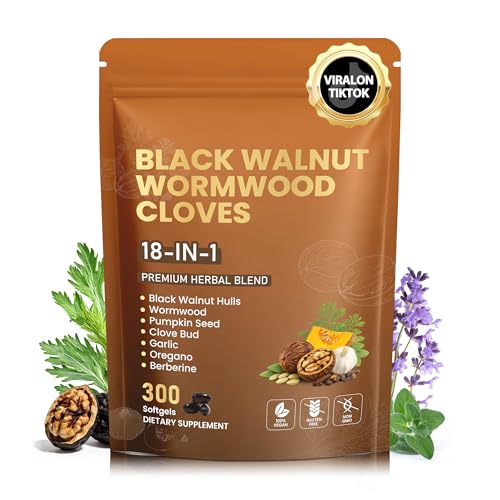
- CleanseParasites Herbal Parasite Cleanse Powder Editor’s Pick
Contains wormwood alongside black walnut hull, cloves, and other traditional parasite-cleanse herbs. - Herb Pharm Intestinal Tract Defense with Wormwood
liquid, 1 fl oz — A Herb Pharm herbal formula containing wormwood extract, not a single-herb wormwood tincture - AlchePharma Organic Wormwood Capsules
capsules, 90 vegan capsules — Single-herb organic Artemisia absinthium, non-GMO and gluten-free - Nature’s Answer Black Walnut and Wormwood Alcohol-Free Extract
liquid, 2 fl oz, 2,000 mg per serving — Alcohol-free dropper extract; a black walnut and wormwood combination, not single-herb wormwood - Frontier Co-op Wormwood Herb, Cut and Sifted
cut and sifted dried herb, 16 oz bulk bag — Bulk dried herb for traditional tea preparation, kosher certified
As an Amazon Associate we earn from qualifying purchases. Quality varies widely — always choose a product with a published third-party test (COA) before buying.
A Note on the Evidence
Clinical evidence for wormwood (Artemisia absinthium) in appetite stimulation or functional dyspepsia is limited to traditional use and mechanistic plausibility; the cited RCT evaluated a different Artemisia species. Thujone neurotoxicity necessitates thujone-controlled extracts, short courses, and avoidance in pregnancy, seizure disorders, and with interacting medications. This information is educational, not medical advice; consult a qualified healthcare provider before use.
Frequently Asked Questions
Does wormwood increase appetite?
Traditional use and pharmacological plausibility (bitter receptor activation) support wormwood as an appetite stimulant, but no controlled clinical trials have tested Artemisia absinthium specifically for this effect. A related species (Artemisia argyi) improved dyspepsia symptoms in one RCT [1].
Is wormwood effective for functional dyspepsia?
There are no RCTs on Artemisia absinthium for functional dyspepsia. A 2025 trial of a standardized Artemisia argyi extract (RW0117) showed significant symptom improvement over 12 weeks [1], but results cannot be directly applied to wormwood.
What is the safe dose of wormwood?
No established safe dose exists from clinical trials. Traditional use suggests 1–3 g dried herb as tea or 1–2 mL 1:5 tincture before meals for short periods. Any product should be thujone-controlled; consult a healthcare provider for individualized guidance.
Can wormwood cause seizures?
Yes. Wormwood contains thujone, a GABA_A antagonist that is neurotoxic and can trigger seizures at high doses or with prolonged use, especially in susceptible individuals or those on anticonvulsants.
Is wormwood safe during pregnancy?
No. Wormwood is contraindicated in pregnancy and breastfeeding due to thujone’s potential uterotonic and neurotoxic effects and a complete lack of safety data.
How does wormwood differ from sweet wormwood (Artemisia annua)?
Artemisia absinthium (wormwood) contains absinthin and thujone; Artemisia annua (sweet wormwood) contains artemisinin, a validated antimalarial. They are distinct species with different chemical profiles, uses, and safety concerns.
References
- Jin L et al. Safety and efficacy of Artemisia argyi extract RW0117 for functional dyspepsia: A randomized, double-blind, placebo-controlled clinical study. Journal of ethnopharmacology (2025). PMID 40816579
These statements have not been evaluated by the Food and Drug Administration. This information is not intended to diagnose, treat, cure, or prevent any disease. Content is for informational purposes only and is not medical advice; consult a qualified healthcare provider before starting any supplement. As an Amazon Associate we earn from qualifying purchases.