Wormwood (Artemisia absinthium) is a intensely bitter herb with a long history in European folk medicine, used for upset stomach, sluggish digestion, and as a traditional remedy against intestinal worms. It’s the same plant that gives absinthe and vermouth their name and flavor profile, and that bitterness is central to why it was traditionally taken before meals in small amounts.
Wormwood tea is not a casual, drink-freely herbal infusion the way chamomile or peppermint is. The plant contains thujone, a compound that is neurotoxic in excess and has been linked to seizures with high doses or prolonged use[1]. This guide focuses on how to prepare a short, low-dose cup correctly, if you and your doctor have decided it’s appropriate, and it should not be read as an endorsement to self-treat a suspected parasitic infection or any other condition.
Key Takeaways
- Wormwood (Artemisia absinthium) is not the same plant as sweet wormwood (Artemisia annua), the source of the antimalarial drug artemisinin.
- Thujone in wormwood is neurotoxic at high doses or with prolonged use, so choose thujone-controlled products, steep briefly, and use short courses only.
- Avoid entirely during pregnancy and breastfeeding, and check with a doctor first if you take anticonvulsants, antidepressants, or have liver or seizure conditions.
- Most evidence for wormwood’s anti-parasitic effects is traditional or in-vitro/animal-based, not large human trials, so it should not replace medical diagnosis or treatment of a suspected parasite infection.
- Stop immediately and seek care for confusion, tremors, agitation, or seizure-like symptoms.
What's Actually in Wormwood, and Why It's Not a 'Just Steep and Drink' Herb
The bitterness of wormwood comes largely from sesquiterpene lactones, including absinthin and artabsin, along with a volatile oil. Traditional and laboratory interest in wormwood for parasites centers on the idea that these compounds may disrupt parasite membranes and metabolic function in vitro, but this is distinct from the well-validated antimalarial drug artemisinin, which comes from a related plant, sweet wormwood (Artemisia annua), not from Artemisia absinthium itself. Conflating the two species is a common and important mistake.
The same volatile oil that gives wormwood its pharmacological interest also contains thujone. Thujone is the reason wormwood tea has real limits on how much you drink, how long you steep it, and how long you take it, unlike a purely culinary herbal tea.
Before You Brew: Who Should Not Drink Wormwood Tea
Wormwood is contraindicated in pregnancy and breastfeeding. It can also interact with anticonvulsant medications, antidepressants, and other drugs that are processed by the liver, so anyone on prescription medication should check with a doctor or pharmacist before using it, not after.

People with a seizure disorder, liver disease, or kidney disease should avoid wormwood altogether given the thujone content. If you suspect you actually have a parasitic infection, wormwood tea is not a substitute for diagnosis and treatment; intestinal parasites should be confirmed and managed by a healthcare provider, since untreated infections can cause complications that a bitter tea will not resolve.
Sourcing Wormwood That's Actually Safe to Steep
If you’re going to make wormwood tea, buy dried wormwood (or a commercial tea/extract) from a supplier that discloses thujone content or explicitly states the product is thujone-controlled or thujone-reduced. This information is far more important than price or brand reputation.
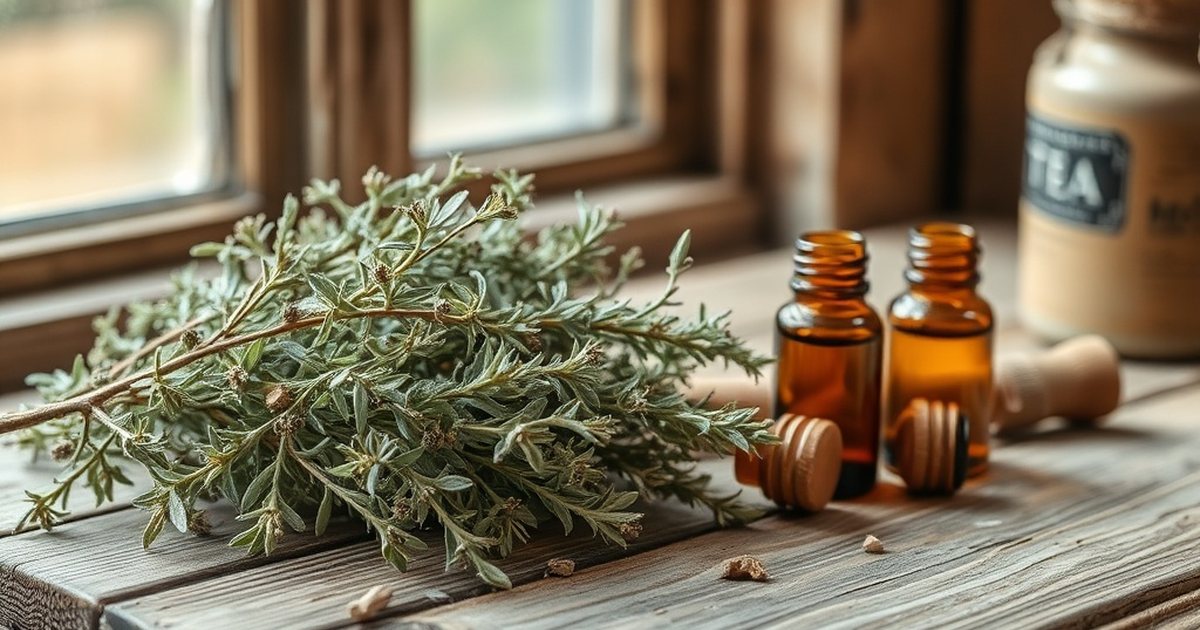
Avoid homemade tinctures or oils made from fresh wormwood at unknown concentrations, and avoid combining wormwood tea with wormwood-containing spirits (like absinthe) or other thujone-containing herbs (such as certain sage preparations) on the same day, since the neurotoxic effect is dose-dependent and additive across sources[1].
How to Brew a Low-Dose Cup
A conservative approach: use about 1/2 to 1 teaspoon (roughly 1-2 grams) of dried wormwood leaf/flower per cup of just-boiled water. Cover the cup while it steeps to reduce loss of the volatile oil into the air, and steep for no more than 5-10 minutes.
Strain thoroughly before drinking; wormwood’s texture and bitterness are unpleasant, and some people cut it with a small amount of honey, lemon, or mix it with a milder herb like mint or fennel to make it more tolerable. Traditionally it was taken shortly before meals in a small volume, roughly a small cup, rather than sipped throughout the day like a large mug of black tea.

Frequency and Duration: Why 'Short Course' Matters More Than Dose
Even at conservative doses, wormwood is traditionally used only in short courses, commonly cited in herbal references as a few days up to roughly two to four weeks, not as a daily long-term tea. Prolonged or repeated use raises cumulative thujone exposure and is the scenario most associated with neurotoxic effects, including seizure risk.
If you’re using wormwood tea for a specific short-term purpose under a doctor’s guidance, set an end date before you start, and don’t restart another course without a break and medical input. There is no dosing regimen for home use of raw wormwood tea that has been established in large randomized controlled trials, so any schedule is inherently conservative guesswork based on traditional practice, not proven safety data.
Warning Signs to Stop Immediately
Stop drinking wormwood tea and seek medical attention if you experience confusion, tremors, muscle twitching, unusual restlessness or agitation, nausea and vomiting beyond mild digestive upset, or any seizure-like activity. These can be signs of thujone toxicity, especially if you’ve had more than one cup in a day or used it for more than a couple of weeks.
Also stop and check with a doctor if you notice worsening abdominal pain, dark urine, or yellowing of the skin or eyes, which could suggest liver involvement given wormwood’s interaction with liver metabolism.
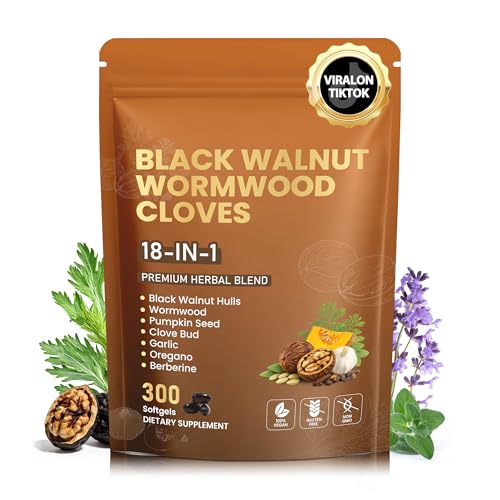
🛒 Where to Buy Wormwood (Artemisia absinthium)
- CleanseParasites Herbal Parasite Cleanse Powder Editor’s Pick
Contains wormwood alongside black walnut hull, cloves, and other traditional parasite-cleanse herbs. - Herb Pharm Intestinal Tract Defense with Wormwood
liquid, 1 fl oz — A Herb Pharm herbal formula containing wormwood extract, not a single-herb wormwood tincture - AlchePharma Organic Wormwood Capsules
capsules, 90 vegan capsules — Single-herb organic Artemisia absinthium, non-GMO and gluten-free - Nature’s Answer Black Walnut and Wormwood Alcohol-Free Extract
liquid, 2 fl oz, 2,000 mg per serving — Alcohol-free dropper extract; a black walnut and wormwood combination, not single-herb wormwood - Frontier Co-op Wormwood Herb, Cut and Sifted
cut and sifted dried herb, 16 oz bulk bag — Bulk dried herb for traditional tea preparation, kosher certified
As an Amazon Associate we earn from qualifying purchases. Quality varies widely — always choose a product with a published third-party test (COA) before buying.
A Note on the Evidence
This article is informational, not medical advice; wormwood’s anti-parasitic evidence is largely traditional and in-vitro/animal-based rather than from large human trials, and thujone content makes dosing and duration genuinely risky to self-manage. Talk to a doctor before use, especially if pregnant, breastfeeding, on medication, or dealing with a suspected parasitic infection.
Frequently Asked Questions
Is wormwood tea the same as absinthe?
No. Absinthe is a distilled spirit that historically used wormwood (along with anise and fennel) as a flavoring botanical, and modern absinthe is regulated for thujone content. Wormwood tea is a much milder home infusion, but it still contains thujone and should be treated with the same caution around dose and duration.
Can wormwood tea cure parasites?
There isn’t strong human clinical evidence that wormwood tea reliably treats parasitic infections. Interest in its anti-parasitic potential comes mainly from traditional use and laboratory studies on its sesquiterpene lactones and volatile oil compounds, not large randomized trials in people. A suspected parasite infection should be diagnosed and treated by a healthcare provider.

How is wormwood different from sweet wormwood (Artemisia annua)?
They’re related species with overlapping bitterness but different key compounds. Sweet wormwood produces artemisinin, the basis of validated frontline antimalarial drugs, while common wormwood’s interest for parasites centers on absinthin, artabsin, and volatile oil constituents studied mainly in vitro.
How long can I safely drink wormwood tea?
Traditional use favors short courses, generally not more than a few weeks, rather than ongoing daily use. Because thujone exposure can accumulate, longer or repeated use without a break increases the risk of neurotoxic effects, including seizures.
Can I drink wormwood tea every day?
This isn’t advisable without medical supervision. Wormwood tea is traditionally taken in small amounts before meals for a limited period, not as a daily habitual beverage, given its thujone content and lack of large-scale human safety data for long-term use.
Who should never drink wormwood tea?
Pregnant or breastfeeding people, anyone with a seizure disorder or liver disease, and anyone taking anticonvulsants, antidepressants, or medications metabolized by the liver should avoid wormwood tea unless specifically cleared by a physician.
References
- Pelkonen O et al. Thujone and thujone-containing herbal medicinal and botanical products: toxicological assessment. Regulatory toxicology and pharmacology (2013). PMID 23201408
These statements have not been evaluated by the Food and Drug Administration. This information is not intended to diagnose, treat, cure, or prevent any disease. Content is for informational purposes only and is not medical advice; consult a qualified healthcare provider before starting any supplement. As an Amazon Associate we earn from qualifying purchases.