Wormwood (Artemisia absinthium) shows up in two very different forms on the market: loose dried herb or tea-cut leaf, and standardized extracts sold as capsules, tinctures, or drops. Both come from the same bitter plant historically used for digestive complaints and intestinal parasites, but the way they’re processed changes what you’re actually getting, and how predictable the dose is.
This matters more with wormwood than with most herbs because of thujone, a naturally occurring compound in the plant that is neurotoxic at high doses[1]. Dried herb and standardized extract handle thujone very differently, and that difference is the real story behind these two product types, not just a marketing distinction.
Key Takeaways
- Dried wormwood herb has unmeasured, variable thujone content; standardized extracts are typically thujone-controlled and tested to a known level.
- Thujone is neurotoxic and can cause seizures at high doses or with prolonged use, this is the central safety issue distinguishing the two forms.
- Standardization improves consistency and exposure control, it does not mean stronger proof of anti-parasitic effectiveness.
- Most anti-parasitic evidence for wormwood comes from traditional use and in-vitro/animal studies, not large human trials.
- Wormwood is contraindicated in pregnancy/breastfeeding and should only be used in short courses, never as a substitute for medical care.
What 'Dried Herb' Actually Means
Dried wormwood is the aerial parts of the plant, typically leaves and flowering tops, air-dried and cut or powdered with no further processing. When you buy loose wormwood tea or bulk cut-and-sifted herb, you’re getting the whole matrix of compounds the plant produces: the bitter sesquiterpene lactones (including absinthin and artabsin), volatile oil components, flavonoids, and thujone, all in whatever ratio that particular plant, harvest, and drying process happened to produce.
That ratio is not fixed. Thujone content in wormwood can vary significantly between plants depending on growing conditions, harvest timing, and chemotype (some wormwood populations are naturally higher or lower in thujone). A dried herb product doesn’t tell you the thujone level on the label because, in most cases, nobody has measured it for that specific batch.
What 'Standardized Extract' Means
A standardized extract is made by concentrating the plant material, typically through alcohol or water extraction, and then adjusting or testing the final product to hit a target level of one or more marker compounds. For wormwood, the marker that matters most from a safety standpoint is thujone, and reputable standardized extracts are often thujone-controlled, meaning the manufacturer has tested and reduced thujone to a defined, low, and disclosed level.

Standardization doesn’t mean the extract is proven more effective than dried herb, the underlying compounds are the same plant chemistry either way. What it buys you is consistency: batch to batch, you know roughly what you’re taking, which matters a great deal for a plant with a neurotoxic constituent and a narrow margin between traditional use and overuse.
Why Thujone Control Is the Real Difference That Matters
Thujone is neurotoxic and can trigger seizures at high doses or with prolonged use. This is the central safety issue with wormwood, and it’s the reason the distinction between dried herb and standardized extract isn’t just about convenience or potency, it’s about exposure control.
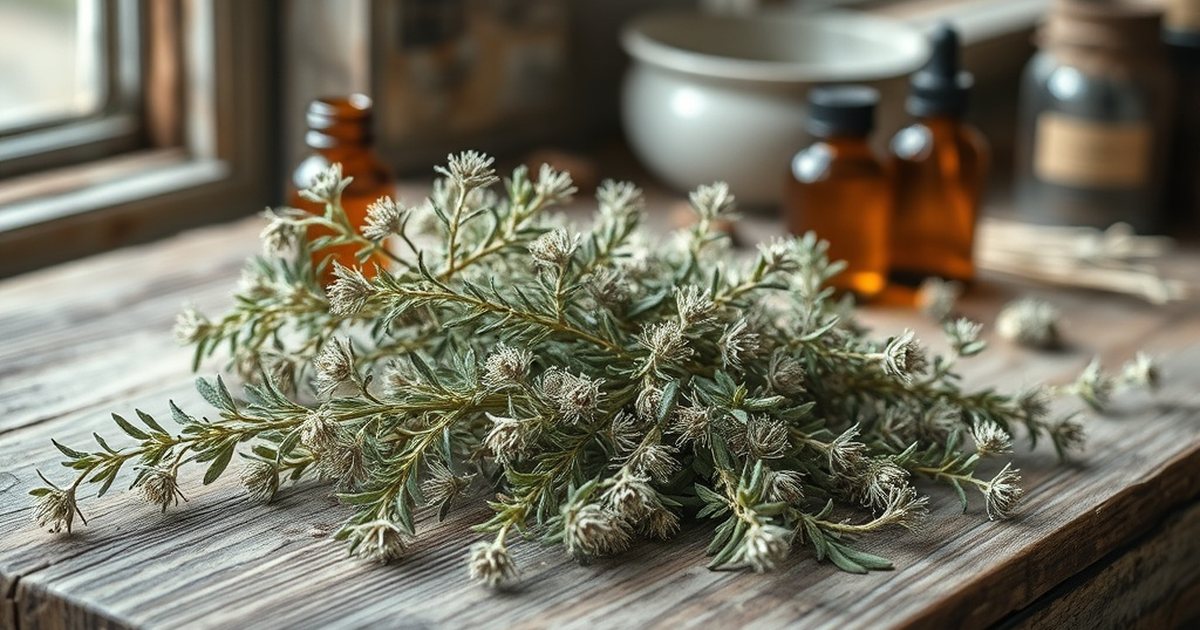
With dried herb brewed as tea, you have no reliable way to know how much thujone is in your cup. Steeping time, water temperature, and the herb’s own variability all affect how much of the compound ends up in the infusion. With a thujone-controlled extract, at least in theory, the manufacturer has done testing to keep that number low and consistent. That doesn’t eliminate risk, but it narrows the unknown.
Whichever form is used, extracts should not be used beyond short courses, and neither dried herb nor extract should be treated as a long-term daily supplement.
Potency and Dosing Differences
Extracts are, by design, more concentrated than an equivalent amount of dried herb. A tincture or capsule delivering a standardized dose is meant to reproduce a specific, repeatable exposure to the plant’s active compounds in a smaller volume. Dried herb tea, by contrast, delivers a more dilute and variable dose, but ‘more dilute’ does not automatically mean ‘safer’, since thujone content in the raw herb itself is the variable nobody controls.

This is part of why traditional preparations (weak infusions, short courses) evolved the way they did, but traditional use patterns don’t substitute for modern safety testing, and most human evidence for wormwood’s anti-parasitic effects comes from that traditional use and from in-vitro and animal studies rather than large randomized controlled trials.
The Anti-Parasitic Mechanism, and Its Evidence Base
Wormwood’s proposed anti-parasitic activity is attributed to its sesquiterpene lactones (absinthin, artabsin) and volatile oil compounds, which appear in vitro to disrupt parasite membranes and metabolic processes. This is distinct from Artemisia annua (sweet wormwood), whose compound artemisinin is a validated frontline antimalarial drug with a strong clinical evidence base[2], a common point of confusion since the two plants share a genus and a reputation.
For common wormwood (Artemisia absinthium), the anti-parasitic evidence is earlier-stage: laboratory and animal studies, plus a long history of traditional use[3][4][5], rather than the kind of large human trials that would establish a reliable dose-response relationship. Neither dried herb nor standardized extract changes this evidence picture, standardization changes exposure control, not the strength of the underlying research.
Practical Considerations When Choosing Between Them
If considering wormwood in any form, a thujone-controlled, standardized extract from a manufacturer that discloses testing is the more transparent option, because at least the thujone exposure has a stated ceiling. Dried herb sold in bulk, without any accompanying thujone analysis, carries more unknowns.
Wormwood in any form is contraindicated in pregnancy and breastfeeding, and it can interact with anticonvulsants, antidepressants, and other drugs metabolized by the liver. It should not be used beyond short courses, and it should not replace medical diagnosis or treatment of a suspected parasitic infection. Anyone considering it should talk to a doctor first, particularly if taking other medications or managing a seizure disorder.
🛒 Where to Buy Wormwood (Artemisia absinthium)
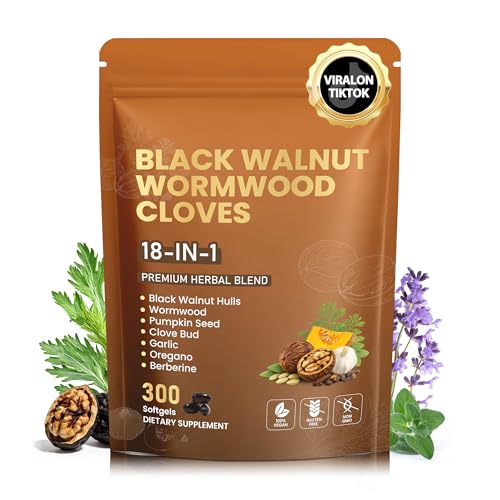
- CleanseParasites Herbal Parasite Cleanse Powder Editor’s Pick
Contains wormwood alongside black walnut hull, cloves, and other traditional parasite-cleanse herbs. - Herb Pharm Intestinal Tract Defense with Wormwood
liquid, 1 fl oz — A Herb Pharm herbal formula containing wormwood extract, not a single-herb wormwood tincture - AlchePharma Organic Wormwood Capsules
capsules, 90 vegan capsules — Single-herb organic Artemisia absinthium, non-GMO and gluten-free - Nature’s Answer Black Walnut and Wormwood Alcohol-Free Extract
liquid, 2 fl oz, 2,000 mg per serving — Alcohol-free dropper extract; a black walnut and wormwood combination, not single-herb wormwood - Frontier Co-op Wormwood Herb, Cut and Sifted
cut and sifted dried herb, 16 oz bulk bag — Bulk dried herb for traditional tea preparation, kosher certified
As an Amazon Associate we earn from qualifying purchases. Quality varies widely — always choose a product with a published third-party test (COA) before buying.
A Note on the Evidence
This article is informational, not medical advice. Wormwood’s anti-parasitic evidence in humans is limited to traditional use and preclinical studies, and thujone content makes dosing and duration genuinely risky, so speak with a doctor before using any wormwood product, especially if pregnant, breastfeeding, or on medications metabolized by the liver.
Frequently Asked Questions
Is standardized wormwood extract safer than dried herb tea?
It can be more predictable, since thujone-controlled extracts are tested to a defined level, while dried herb has variable, unmeasured thujone content. Neither form is risk-free, and both require caution around dose and duration.
What is thujone and why does it matter?
Thujone is a naturally occurring compound in wormwood that is neurotoxic and can trigger seizures at high doses or with prolonged use. It’s the main reason wormwood products need careful sourcing and short-term use only.

Is wormwood the same as sweet wormwood (Artemisia annua)?
No. Common wormwood (Artemisia absinthium) is a different species from sweet wormwood (Artemisia annua), whose compound artemisinin is a validated frontline antimalarial drug. Common wormwood’s anti-parasitic effects rest on a much thinner, earlier-stage evidence base.
Can wormwood cure a parasitic infection?
There isn’t strong human clinical evidence to support that claim. Most support for its anti-parasitic activity comes from traditional use and in-vitro/animal research, not randomized controlled trials, so it should not replace medical diagnosis or treatment of a suspected infection.
Who should avoid wormwood entirely?
Pregnant or breastfeeding people should avoid it, as should anyone taking anticonvulsants, antidepressants, or other liver-metabolized medications without medical guidance, given interaction risk and thujone’s neurotoxic potential.
How long is a 'short course' of wormwood considered safe?
There’s no universally agreed duration backed by robust trial data; traditional use favors brief periods rather than ongoing daily use. Anyone considering it should get specific guidance from a doctor rather than relying on general product labeling.
References
- Pelkonen O et al. Thujone and thujone-containing herbal medicinal and botanical products: toxicological assessment. Regulatory toxicology and pharmacology (2013). PMID 23201408
- Daily JP et al. Diagnosis, Treatment, and Prevention of Malaria in the US: A Review. JAMA (2022). PMID 35916842
- Tariq KA et al. Anthelmintic activity of extracts of Artemisia absinthium against ovine nematodes. Veterinary parasitology (2009). PMID 19070963
- Beshay EVN. Therapeutic efficacy of Artemisia absinthium against Hymenolepis nana: in vitro and in vivo studies in comparison with the anthelmintic praziquantel. Journal of helminthology (2018). PMID 28606189
- Szopa A et al. Artemisia absinthium L.-Importance in the History of Medicine, the Latest Advances in Phytochemistry and Therapeutical, Cosmetological and Culinary Uses. Plants (Basel, Switzerland) (2020). PMID 32825178
These statements have not been evaluated by the Food and Drug Administration. This information is not intended to diagnose, treat, cure, or prevent any disease. Content is for informational purposes only and is not medical advice; consult a qualified healthcare provider before starting any supplement. As an Amazon Associate we earn from qualifying purchases.