Wormwood (Artemisia absinthium) is one of the oldest bitter herbs in Western herbal tradition, used for centuries to support digestion and address intestinal parasites[1], and famous as the flavoring base of absinthe and vermouth. Tinctures are the most common way people take it today, since the plant’s active compounds extract well into alcohol and a tincture allows for small, controlled doses of a plant that is not meant to be used casually or long-term.
This guide is about how to evaluate a wormwood tincture, not whether you should take one. Because wormwood contains thujone, a compound with real neurotoxic risk at high doses[2], quality and dosing controls matter more here than with most herbal tinctures. We have no clinical trial evidence to cite for this topic, so what follows is grounded in what wormwood actually is, how it’s made, and the safety parameters that responsible manufacturers disclose. This is informational, not medical advice.
Key Takeaways
- Confirm the species: Artemisia absinthium is the classic wormwood; it is not the same as Artemisia annua (sweet wormwood), source of the antimalarial artemisinin.
- Thujone disclosure is the single most important quality marker; avoid products that don’t mention it at all.
- Look for stated extraction ratio, alcohol percentage, plant part used, and third-party lab testing.
- Favor short-course use over indefinite daily dosing, and consult a doctor if pregnant, breastfeeding, or on anticonvulsants, antidepressants, or liver-metabolized medications.
- Human clinical trial evidence for wormwood’s anti-parasitic effects is limited; it should not replace medical diagnosis or treatment of a suspected parasitic infection.
What Wormwood Is (and Isn't)
Artemisia absinthium is a silvery-leaved perennial in the daisy family, intensely bitter, historically used for digestive complaints, fevers, and as a traditional anti-parasitic. Its proposed mechanisms include sesquiterpene lactones such as absinthin and artabsin, along with volatile oil compounds, which are thought to disrupt parasite membranes and metabolism in laboratory (in vitro) settings.
It is easy to confuse with its relative Artemisia annua (sweet wormwood), whose compound artemisinin is a validated, frontline pharmaceutical antimalarial[3]. These are different plants with different evidence bases. A tincture labeled simply ‘wormwood’ should specify which species it contains, since the two are not interchangeable and have different chemistry, uses, and risk profiles.
Thujone Content: The Single Most Important Spec
Thujone is the compound responsible for wormwood’s neurotoxic risk. At high doses or with prolonged use, it can trigger seizures and other neurological effects[2]. A tincture worth considering will state its thujone content or explicitly describe itself as ‘thujone-controlled’ or ‘thujone-reduced,’ rather than leaving the buyer to guess.

If a product page or label makes no mention of thujone at all, that is a gap, not a reassurance. Reputable manufacturers of bitter Artemisia products generally test for thujone and disclose limits, similar to how absinthe production is regulated in most countries. Absence of any thujone information should be treated as a red flag, not neutral information.
Extraction Method and Concentration
Tinctures are typically described by their herb-to-menstruum ratio (for example, 1:5) and alcohol percentage. Lower ratios (more concentrated) and higher-proof alcohol extract more of the plant’s compounds, including thujone, so a highly concentrated wormwood tincture is not automatically ‘stronger is better’ — it also means less room for error in dosing.
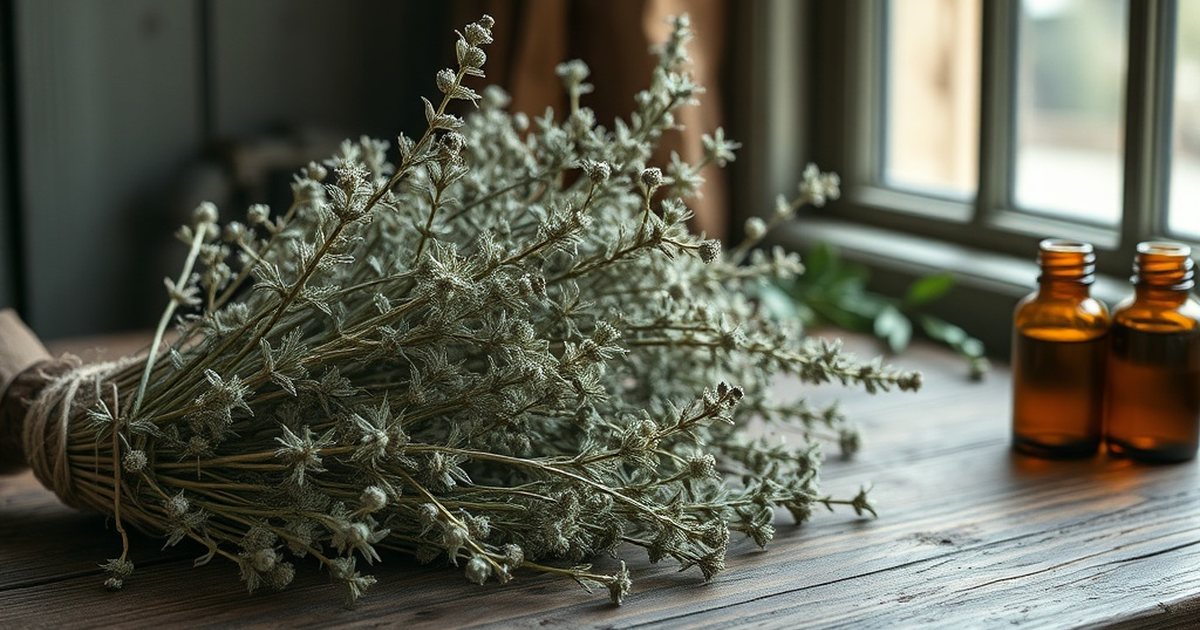
Look for tinctures made from the aerial parts (leaves and flowering tops) harvested at a defined growth stage, since compound concentration in Artemisia species varies by plant part and harvest timing. Vague labeling (‘wormwood extract, proprietary blend’) without a stated ratio or alcohol percentage makes it hard to judge dose or compare products.
Sourcing, Testing, and Label Transparency
Because wormwood is a potent, regulated-in-some-contexts herb, sourcing matters. Look for third-party lab testing (not just an in-house certificate of analysis) that verifies species identity, thujone levels, and screens for heavy metals, pesticides, and microbial contamination, common concerns with wild-harvested or imported bitter herbs.
A trustworthy product will disclose: the Latin species name, plant part used, extraction ratio and solvent, thujone content or a thujone-controlled claim, and a suggested short-course duration rather than open-ended daily use. If a company won’t answer direct questions about any of these, treat that as disqualifying rather than a formality.

Who Should Not Use Wormwood Tinctures
Wormwood is contraindicated in pregnancy and breastfeeding. It can interact with anticonvulsants, antidepressants, and other drugs metabolized by the liver, so anyone on prescription medication should talk to a doctor or pharmacist before use, not just check the label.
Most of the human evidence for wormwood’s anti-parasitic effects comes from traditional use and in-vitro or animal studies, not large randomized controlled trials in people. That does not mean it ‘doesn’t work,’ but it does mean confidence should be calibrated accordingly, and a tincture should never substitute for medical diagnosis or treatment of a suspected parasitic infection.
Reasonable Use Patterns
Given the thujone risk, wormwood is generally used in short courses rather than as a daily long-term supplement, with the shortest effective duration favored over open-ended use. Products that recommend indefinite daily dosing without a stated end point or break period deserve extra scrutiny.
Because dosing precision matters more here than with milder bitters, a dropper with clear markings and a label that states drops-per-dose (not just ‘take as directed’) is a practical marker of a product designed with this compound’s risk profile in mind.
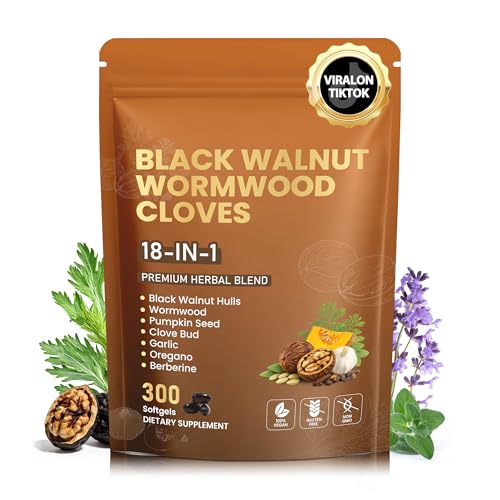
🛒 Where to Buy Wormwood (Artemisia absinthium)
- CleanseParasites Herbal Parasite Cleanse Powder Editor’s Pick
Contains wormwood alongside black walnut hull, cloves, and other traditional parasite-cleanse herbs. - Herb Pharm Intestinal Tract Defense with Wormwood
liquid, 1 fl oz — A Herb Pharm herbal formula containing wormwood extract, not a single-herb wormwood tincture - AlchePharma Organic Wormwood Capsules
capsules, 90 vegan capsules — Single-herb organic Artemisia absinthium, non-GMO and gluten-free - Nature’s Answer Black Walnut and Wormwood Alcohol-Free Extract
liquid, 2 fl oz, 2,000 mg per serving — Alcohol-free dropper extract; a black walnut and wormwood combination, not single-herb wormwood - Frontier Co-op Wormwood Herb, Cut and Sifted
cut and sifted dried herb, 16 oz bulk bag — Bulk dried herb for traditional tea preparation, kosher certified
As an Amazon Associate we earn from qualifying purchases. Quality varies widely — always choose a product with a published third-party test (COA) before buying.
A Note on the Evidence
This article is informational, not medical advice; wormwood’s thujone content carries real neurotoxic risk at high doses or with prolonged use, most anti-parasitic evidence is preclinical or traditional rather than clinical-trial-based, and it is contraindicated in pregnancy, breastfeeding, and for people on certain medications, so consult a doctor before use, especially for a suspected parasitic infection.
Frequently Asked Questions
Is wormwood tincture the same as absinthe?
No. Absinthe is a distilled spirit that traditionally includes wormwood along with anise and fennel, and modern absinthe production is regulated for thujone content. A wormwood tincture is a concentrated herbal extract meant to be taken in small drop doses, not a beverage.
How much thujone is safe?
There is no single universally agreed ‘safe’ consumer dose, which is exactly why thujone-controlled or thujone-reduced labeling matters. If a product doesn’t state its thujone level, you have no way to judge this for yourself.

Can I take wormwood tincture every day?
It is generally used in short courses rather than daily long-term, given the neurotoxic risk of thujone at high doses or with prolonged use. Products encouraging indefinite daily use without a stated break period warrant caution.
Does wormwood actually kill parasites?
Its sesquiterpene lactones and volatile oil compounds appear to disrupt parasite membranes and metabolism in laboratory (in vitro) studies, but most of the evidence comes from traditional use and in-vitro or animal research rather than large human trials. It should not replace medical diagnosis or treatment for a suspected parasitic infection.
Is wormwood the same herb used to make the malaria drug artemisinin?
No. Artemisinin comes from Artemisia annua (sweet wormwood), a related but distinct species. Artemisia absinthium (common wormwood) has a different chemical profile and a different, much less established evidence base.
Who should avoid wormwood tinctures entirely?
Pregnant or breastfeeding people, and anyone taking anticonvulsants, antidepressants, or other drugs metabolized by the liver, should avoid wormwood or discuss it with a doctor first, since interactions and contraindications are documented for this herb.
References
- Szopa A et al. Artemisia absinthium L.-Importance in the History of Medicine, the Latest Advances in Phytochemistry and Therapeutical, Cosmetological and Culinary Uses. Plants (Basel, Switzerland) (2020). PMID 32825178
- Pelkonen O et al. Thujone and thujone-containing herbal medicinal and botanical products: toxicological assessment. Regulatory toxicology and pharmacology (2013). PMID 23201408
- Daily JP et al. Diagnosis, Treatment, and Prevention of Malaria in the US: A Review. JAMA (2022). PMID 35916842
These statements have not been evaluated by the Food and Drug Administration. This information is not intended to diagnose, treat, cure, or prevent any disease. Content is for informational purposes only and is not medical advice; consult a qualified healthcare provider before starting any supplement. As an Amazon Associate we earn from qualifying purchases.