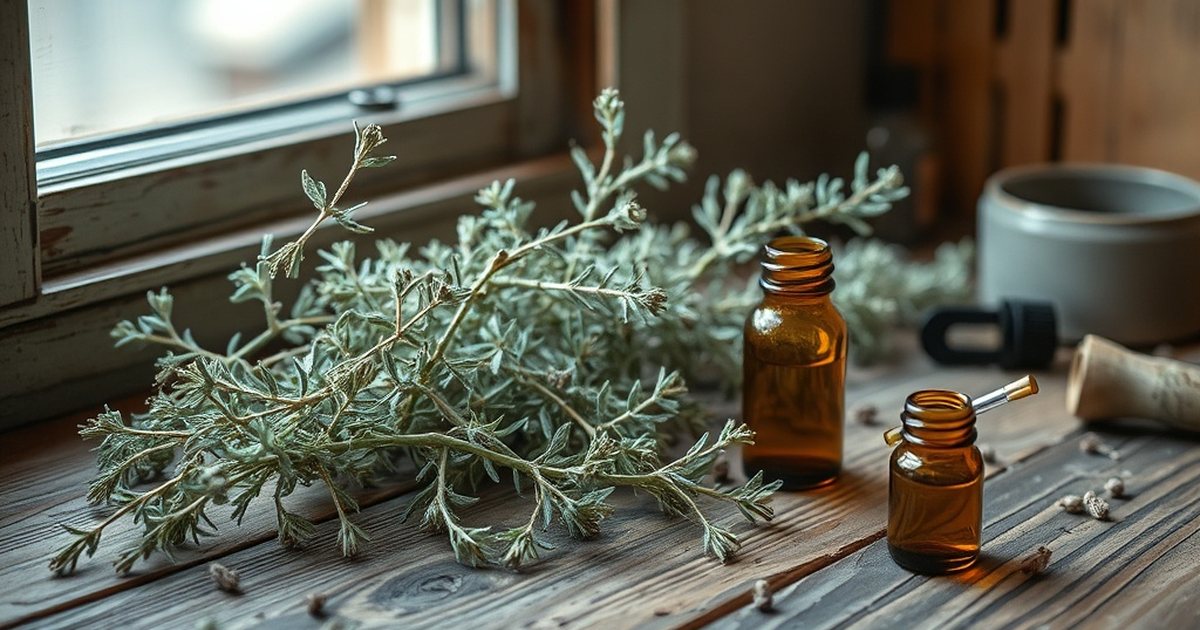
Artemisia annua, known as sweet wormwood, is the source plant for artemisinin, a compound that became one of the most important antimalarial discoveries of the 20th century. Unlike its relative Artemisia absinthium (common wormwood), which contains the neurotoxic compound thujone and has no validated role in treating malaria, Artemisia annua produces a sesquiterpene lactone that has been developed into a real, life-saving drug class used worldwide.
This article covers the plant biology behind artemisinin production, how it became the backbone of modern malaria treatment, and the genuine clinical challenges researchers are working through today, including resistance and adherence. This is a research summary, not medical advice, and malaria requires diagnosis and treatment from a qualified clinician.
Key Takeaways
- Artemisinin comes from Artemisia annua (sweet wormwood), a different plant from Artemisia absinthium (common wormwood, source of thujone)
- Artemisinin-based combination therapy (ACT) is the WHO-recommended standard for uncomplicated falciparum malaria, pairing fast-acting artemisinin with a longer-acting partner drug [1]
- Partial artemisinin resistance has emerged in parts of Southeast Asia, prompting research into triple combination therapies and better resistance management [2][3]
- Patient adherence to full ACT courses is a real-world factor affecting treatment success, separate from the drug’s biological efficacy [4]
- Artemisinin’s biosynthesis pathway and environmental sensitivity (like temperature) are active areas of plant science research aimed at improving supply [5][6]
What Malaria Is and Why New Drugs Mattered
Malaria is a mosquito-borne parasitic disease caused by Plasmodium species, and it remains a major global health burden, particularly in sub-Saharan Africa, causing substantial illness and death each year [7]. Effective, affordable, and fast-acting treatment has long been a global health priority, and drug resistance to older antimalarials made the search for new compounds urgent [2].
The discovery of artemisinin gave clinicians a fast-acting compound that could clear parasites quickly from the bloodstream, which reshaped treatment guidelines and combination therapy strategies worldwide [1].

From Traditional Use to a Novel Antimalarial Drug
Artemisia annua has a long history in traditional Chinese medicine for treating fevers. Research in the late 20th century identified the plant as a source of novel antimalarial compounds distinct from existing drug classes at the time [8].
The compound isolated from the plant, artemisinin, works through a different mechanism than older antimalarials, which was part of why it remained effective even as resistance to other drugs grew [8]. It is worth being precise here: this is a different plant and a different, pharmaceutically isolated and characterized compound than the thujone-containing extracts of common wormwood, which have not been shown to treat malaria in humans.
How Artemisinin Is Produced in the Plant
Artemisinin biosynthesis in Artemisia annua is a regulated metabolic pathway involving multiple genes and enzymatic steps, and researchers have mapped much of the molecular machinery controlling how the plant produces this compound [5].
Environmental conditions influence how much artemisinin a given plant produces. Research has specifically examined how higher temperatures promote artemisinin biosynthesis, which has implications for agricultural cultivation strategies aimed at increasing yield for pharmaceutical supply [6]. Separately, related sesquiterpene compounds from the same plant have been studied for other biological activities, including cytotoxic effects relevant to cancer research, distinct from the antimalarial pathway [9].

Artemisinin-Based Combination Therapy (ACT)
Because artemisinin clears parasites rapidly but is cleared from the body quickly itself, it is not used alone. Instead, it’s paired with a longer-acting partner drug in what’s called artemisinin-based combination therapy (ACT), designed to clear the bulk of the parasite burden fast while the partner drug mops up any survivors, reducing the chance that resistant parasites emerge [1].
ACT became the World Health Organization-recommended standard for treating uncomplicated falciparum malaria in most of the world, replacing older monotherapies that were losing effectiveness [1]. Newer research has explored triple ACT regimens, combining artemisinin with two partner drugs instead of one, as a strategy to extend the useful life of these treatments in regions facing emerging resistance, including feasibility studies in Vietnam [3].

Resistance, Adherence, and Real-World Treatment Challenges
Despite ACT’s success, partial resistance to artemisinin has emerged in parts of Southeast Asia and is being watched closely in parts of Africa, and researchers describe this as one of the central roadblocks in current malaria treatment strategy [2]. Understanding and navigating resistance mechanisms in combination therapies remains an active area of research, sometimes described as managing a double-edged sword: the same combination strategy that slows resistance can fail if partner drug resistance develops too [10].
Beyond biological resistance, real-world effectiveness depends on whether patients actually complete their prescribed course. A systematic review of adherence to ACT found that incomplete or inconsistent dosing is a meaningful factor undermining treatment success in the field, separate from the drug’s biological performance in trials [4].
Beyond Malaria: Other Research Directions for Artemisinin
Because artemisinin’s mechanism involves generating reactive intermediates that can damage susceptible cells, researchers have also investigated artemisinin and its derivatives as potential anticancer agents, though this research is at an earlier stage than the well-established antimalarial use [11]. Similarly, review literature has explored artemisinin’s potential antiviral properties alongside its antimalarial role, though these applications remain investigational rather than clinically established [12].
These additional research threads are worth noting for context, but they should not be confused with artemisinin’s proven role: a validated, WHO-recommended frontline treatment for malaria when used correctly as part of combination therapy [1].
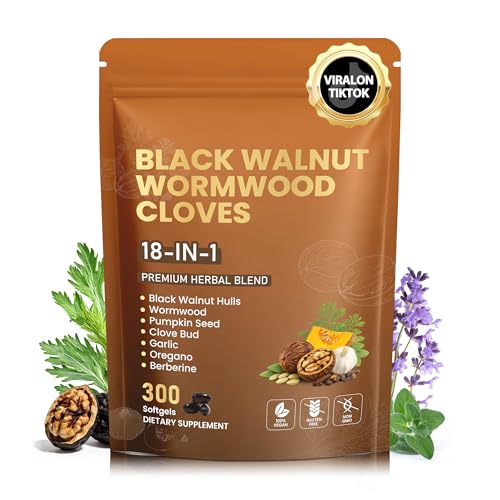
🛒 Where to Buy Wormwood (Artemisia absinthium)
- CleanseParasites Herbal Parasite Cleanse Powder Editor’s Pick
Contains wormwood alongside black walnut hull, cloves, and other traditional parasite-cleanse herbs. - Herb Pharm Intestinal Tract Defense with Wormwood
liquid, 1 fl oz — A Herb Pharm herbal formula containing wormwood extract, not a single-herb wormwood tincture - AlchePharma Organic Wormwood Capsules
capsules, 90 vegan capsules — Single-herb organic Artemisia absinthium, non-GMO and gluten-free - Nature’s Answer Black Walnut and Wormwood Alcohol-Free Extract
liquid, 2 fl oz, 2,000 mg per serving — Alcohol-free dropper extract; a black walnut and wormwood combination, not single-herb wormwood - Frontier Co-op Wormwood Herb, Cut and Sifted
cut and sifted dried herb, 16 oz bulk bag — Bulk dried herb for traditional tea preparation, kosher certified
As an Amazon Associate we earn from qualifying purchases. Quality varies widely — always choose a product with a published third-party test (COA) before buying.

A Note on the Evidence
This article is informational only, not medical advice, and does not cover dosing or self-treatment. Malaria requires prompt diagnosis and treatment from a qualified healthcare provider; artemisinin research and drug development are distinct from unregulated wormwood or Artemisia annua supplements, which are not a substitute for approved antimalarial medication.
Frequently Asked Questions
Is Artemisia annua the same as the wormwood used in absinthe?
No. Absinthe and vermouth are flavored with Artemisia absinthium (common wormwood), which contains thujone and has no established role in malaria treatment. Artemisia annua (sweet wormwood) is a related but distinct species that produces artemisinin, the compound used in antimalarial drugs [8].
Can I just take Artemisia annua tea or extract to treat malaria?
No. Malaria is a serious, potentially fatal disease that requires diagnosis and treatment with pharmaceutical-grade, dosed artemisinin combination therapy under medical supervision. Raw plant preparations do not provide reliable, standardized dosing and are not a substitute for ACT [1].
Why is artemisinin combined with other drugs instead of used alone?
Artemisinin is cleared from the body quickly, so used alone it may not eliminate all parasites, which can allow surviving parasites to develop resistance. Combining it with a longer-acting partner drug clears the infection more completely and helps protect against resistance [1].
Is artemisinin resistance a major problem right now?
Partial resistance has been documented in parts of Southeast Asia and is a recognized challenge in current malaria treatment policy discussions, prompting research into strategies like triple combination therapy [2][10][3].
Does patient behavior affect how well ACT works?
Yes. A systematic review found that adherence, whether patients take the full prescribed course, is a meaningful factor in real-world treatment outcomes, separate from how well the drug performs biologically [4].
Is artemisinin being studied for anything besides malaria?
Yes, early-stage research has explored artemisinin and its derivatives for potential anticancer and antiviral activity, but these uses remain investigational and are not established treatments [11][12].
References
- Nosten F et al. Artemisinin-based combination treatment of falciparum malaria. The American journal of tropical medicine and hygiene (2007). PMID 18165491
- Hanboonkunupakarn B et al. Advances and roadblocks in the treatment of malaria. British journal of clinical pharmacology (2022). PMID 32656850
- Cao VAT et al. Exploring the feasibility of introducing triple artemisinin-based combination therapy in the malaria treatment policy in Vietnam. Malaria journal (2023). PMID 37898749
- Banek K et al. Adherence to artemisinin-based combination therapy for the treatment of malaria: a systematic review of the evidence. Malaria journal (2014). PMID 24386988
- Tan HX et al. [Molecular mechanism of artemisinin biosynthesis and regulation in Artemisia annua]. Zhongguo Zhong yao za zhi = Zhongguo zhongyao zazhi = China journal of Chinese materia medica (2017). PMID 28945019
- Lu JN et al. [Mechanism of high temperature promoting artemisinin biosynthesis in Artemisia annua]. Zhongguo Zhong yao za zhi = Zhongguo zhongyao zazhi = China journal of Chinese materia medica (2018). PMID 30486546
- White NJ et al. Malaria. Lancet (London, England) (2014). PMID 23953767
- Woerdenbag HJ et al. Artemisia annua L.: a source of novel antimalarial drugs. Pharmaceutisch weekblad. Scientific edition (1990). PMID 2255584
- Han X et al. Sesquiterpenes from Artemisia annua and Their Cytotoxic Activities. Molecules (Basel, Switzerland) (2022). PMID 36014318
- Sudhakaran G et al. Artemisinin herbal combo breakers: navigating malaria treatment's double-edged sword. Natural product research (2025). PMID 38824677
- Wen L et al. Artemisinin and Its Derivatives as Potential Anticancer Agents. Molecules (Basel, Switzerland) (2024). PMID 39202965
- Das G et al. The Antiviral and Antimalarial Prodrug Artemisinin from the Artemisia Species: A Review. Current issues in molecular biology (2024). PMID 39590312
These statements have not been evaluated by the Food and Drug Administration. This information is not intended to diagnose, treat, cure, or prevent any disease. Content is for informational purposes only and is not medical advice; consult a qualified healthcare provider before starting any supplement. As an Amazon Associate we earn from qualifying purchases.