Wormwood (Artemisia absinthium) is a bitter herb with a long history in traditional digestive and anti-parasitic preparations, and it’s easy to confuse with its relative Artemisia annua (sweet wormwood), the source of the antimalarial drug artemisinin. The two plants share a name and a genus, but not the same chemistry, and that distinction matters when you’re buying a supplement labeled simply ‘wormwood.’
Because wormwood contains thujone, a compound that is neurotoxic at high doses or with prolonged use, the amount of it in a given product is not a minor detail. Third-party testing is the mechanism by which a supplement company proves, to someone outside its own marketing department, what is actually in the bottle. This article explains what that testing looks for, why self-reported labels aren’t enough, and how to read a certificate of analysis without a chemistry degree.
Key Takeaways
- Third-party testing means an independent lab, not the brand itself, verified what’s in the product.
- Thujone content should be specified and controlled; untested extracts are an unknown risk, not a safe default.
- Species verification matters because wormwood (Artemisia absinthium) is often confused with sweet wormwood (Artemisia annua).
- A real certificate of analysis is batch-specific, names the lab, and reports numeric results for contaminants and active compounds.
- Because human clinical evidence for wormwood’s anti-parasitic effects is limited[1][2], manufacturing quality control is one of the few things a buyer can actually verify.
What 'Third-Party Tested' Actually Means
A third-party test is an analysis performed by a laboratory that has no financial stake in the brand selling the product. The brand sends a sample, the lab runs it through instruments like HPLC (high-performance liquid chromatography) or GC-MS (gas chromatography-mass spectrometry), and it reports back objective measurements: what compounds are present, in what concentration, and whether contaminants show up.
This is different from a company simply stating ‘lab tested’ on its own packaging with no report attached. Without an independent lab’s name, accreditation, and a batch-specific certificate of analysis (COA) that a customer can request or view, ‘tested’ is just a word on a label, not evidence.
Thujone Content Is the Single Most Important Number
Thujone is the compound behind wormwood’s reputation for neurotoxicity, and it’s also the reason regulators in the US and EU cap thujone levels in food and beverage products like absinthe. A supplement extract that hasn’t been tested for thujone content is an unknown quantity, and the difference between a thujone-controlled extract and an untested bulk extract can be substantial.

A trustworthy wormwood product should specify its thujone level, ideally as a standardized, low, or ‘thujone-controlled’ extract, and back that claim with lab data. If a label makes no mention of thujone at all, that silence is itself informative: it suggests the compound was never measured, not that it’s absent.
Species Verification: Absinthium vs. Annua vs. Adulteration
Because Artemisia absinthium and Artemisia annua are frequently confused in casual conversation and in loosely labeled products, species verification matters. A rigorous lab test can confirm which Artemisia species is actually in the capsule or tincture, rather than relying on the label alone.
Botanical mislabeling isn’t a hypothetical concern in the supplement industry broadly; herbal products in general have a documented history of substitution, dilution with fillers, or blending with cheaper look-alike plant material. Species-level identity testing (sometimes via DNA barcoding or chemical fingerprinting) closes that gap.
Contaminant Screening: Heavy Metals, Pesticides, and Microbes
Wormwood is a plant, and like any agricultural product it can accumulate heavy metals from soil, pesticide residue from cultivation, or microbial contamination during harvesting and processing. A thorough third-party test panel screens for heavy metals (lead, arsenic, cadmium, mercury), pesticide residues, and microbial contaminants (yeast, mold, bacteria).
This matters more, not less, for a compound already known to carry its own risk profile. Adding heavy metal exposure or microbial load on top of a neurotoxic constituent[3] compounds the risk rather than adding a separate, unrelated concern.

Why Human Evidence Is Thin, and What That Means for Sourcing
It’s worth being direct about the state of the evidence: most of what’s known about wormwood’s anti-parasitic activity comes from traditional use and in-vitro or animal studies, not large randomized controlled trials in humans. That evidentiary gap doesn’t mean the traditional use is baseless, but it does mean there isn’t a robust human dosing standard the way there is for, say, a well-studied pharmaceutical.
In the absence of that kind of standardized clinical guidance, quality control at the manufacturing level becomes even more important. When the dosing science is still catching up, the least a consumer can control is knowing exactly what’s in the product they’re taking, and third-party testing is how that gets verified rather than assumed.
How to Read a Certificate of Analysis
A useful COA is batch-specific, meaning it corresponds to the actual lot number on your bottle, not a generic document reused across every batch the company has ever made. It names the testing lab, lists the specific compounds tested (thujone content, heavy metals, microbial counts, pesticide screen), and gives numeric results rather than a pass/fail checkbox with no data.
If a company can’t produce this document on request, or only offers a vague ‘quality tested’ statement, treat that as a gap in transparency rather than a technicality. For a botanical with a known neurotoxic constituent and contraindications in pregnancy and with several drug classes, that transparency isn’t optional polish, it’s the baseline.
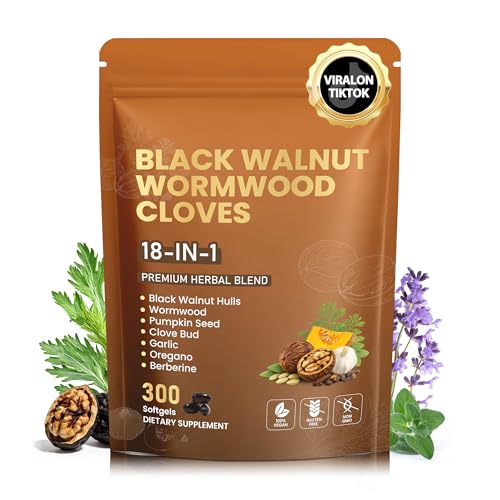
🛒 Where to Buy Wormwood (Artemisia absinthium)
- CleanseParasites Herbal Parasite Cleanse Powder Editor’s Pick
Contains wormwood alongside black walnut hull, cloves, and other traditional parasite-cleanse herbs. - Herb Pharm Intestinal Tract Defense with Wormwood
liquid, 1 fl oz — A Herb Pharm herbal formula containing wormwood extract, not a single-herb wormwood tincture - AlchePharma Organic Wormwood Capsules
capsules, 90 vegan capsules — Single-herb organic Artemisia absinthium, non-GMO and gluten-free - Nature’s Answer Black Walnut and Wormwood Alcohol-Free Extract
liquid, 2 fl oz, 2,000 mg per serving — Alcohol-free dropper extract; a black walnut and wormwood combination, not single-herb wormwood - Frontier Co-op Wormwood Herb, Cut and Sifted
cut and sifted dried herb, 16 oz bulk bag — Bulk dried herb for traditional tea preparation, kosher certified
As an Amazon Associate we earn from qualifying purchases. Quality varies widely — always choose a product with a published third-party test (COA) before buying.
A Note on the Evidence
This article is informational, not medical advice. Wormwood extracts should be thujone-controlled and used only in short courses; wormwood is contraindicated in pregnancy and breastfeeding, can interact with anticonvulsants, antidepressants, and liver-metabolized drugs[3], and should not replace medical diagnosis or treatment of a suspected parasitic infection. Consult a doctor before use, especially alongside other medications.
Frequently Asked Questions
Is all wormwood the same as the herb used to make absinthine antimalarial drugs?
No. Artemisia absinthium (wormwood) and Artemisia annua (sweet wormwood) are related but chemically distinct species. Artemisinin, the validated antimalarial compound, comes from A. annua, not from common wormwood.
Why is thujone dangerous?
Thujone is neurotoxic and can trigger seizures at high doses or with prolonged use, which is why thujone-controlled extracts and short-course use are recommended rather than open-ended, high-dose supplementation.

What should I look for on a wormwood supplement label?
Look for a stated thujone level or ‘thujone-controlled’ claim, a batch-specific certificate of analysis from an independent lab, and species identification confirming Artemisia absinthium.
Can third-party testing catch contamination that isn't visible or detectable by smell or taste?
Yes, that’s the point of lab-based screening. Heavy metals, pesticide residues, and microbial contamination generally aren’t detectable by sight, smell, or taste, which is exactly why instrumental testing (not a visual or sensory check) is necessary.
Is wormwood safe during pregnancy?
No. Wormwood is contraindicated in pregnancy and breastfeeding, and this guidance holds regardless of how well-tested a given product is for potency or purity.
Does third-party testing replace the need for medical guidance on parasitic infections?
No. Testing verifies product quality and composition; it says nothing about whether wormwood is an appropriate or sufficient treatment for a suspected parasitic infection, which still requires medical diagnosis and care.
References
- Tariq KA et al. Anthelmintic activity of extracts of Artemisia absinthium against ovine nematodes. Veterinary parasitology (2009). PMID 19070963
- Beshay EVN. Therapeutic efficacy of Artemisia absinthium against Hymenolepis nana: in vitro and in vivo studies in comparison with the anthelmintic praziquantel. Journal of helminthology (2018). PMID 28606189
- Pelkonen O et al. Thujone and thujone-containing herbal medicinal and botanical products: toxicological assessment. Regulatory toxicology and pharmacology (2013). PMID 23201408
These statements have not been evaluated by the Food and Drug Administration. This information is not intended to diagnose, treat, cure, or prevent any disease. Content is for informational purposes only and is not medical advice; consult a qualified healthcare provider before starting any supplement. As an Amazon Associate we earn from qualifying purchases.