Wormwood (Artemisia absinthium) is a bitter herb historically used in European and Middle Eastern traditional medicine for digestive complaints, fevers, and liver ailments. Its reputation as a liver tonic has prompted modern scientific investigation, primarily focusing on its potential to counteract chemically induced hepatic injury.
The published literature consists almost entirely of preclinical studies in rodents using aqueous or solvent extracts of Artemisia absinthium. These studies report hepatoprotective effects against toxins such as carbon tetrachloride (CCl4) and acetaminophen, with proposed mechanisms involving antioxidant defense upregulation and modulation of inflammatory signaling pathways. However, no large randomized controlled trials in humans exist, and the herb’s thujone content raises significant safety considerations that limit its therapeutic use.
Key Takeaways
- Wormwood (Artemisia absinthium) aqueous extracts show consistent hepatoprotective effects in rodent models of acute chemical liver injury (CCl4, acetaminophen).
- Proposed mechanisms include upregulation of antioxidant enzymes, suppression of lipid peroxidation, and modulation of inflammatory signaling pathways (MAPK, RAGE, NF-κB, Nrf2, TLR4).
- Human clinical trials are completely lacking; all efficacy data are from preclinical animal studies.
- Thujone content poses a significant neurotoxicity risk (seizures), requiring thujone-controlled extracts and short-term use only.
- Wormwood is contraindicated in pregnancy, breastfeeding, seizure disorders, and may interact with anticonvulsants, antidepressants, and hepatically metabolized drugs.
Preclinical Hepatoprotective Effects Against Chemical Toxins
The foundational evidence for wormwood’s liver-protective properties comes from rodent models of chemical hepatotoxicity. A 1995 study found that pretreatment with an Artemisia absinthium extract prevented the rise in serum transaminases caused by acetaminophen and carbon tetrachloride in rats, while post-treatment limited acetaminophen-induced liver damage but did not alter carbon tetrachloride-induced hepatotoxicity [1]. This early work established a basis for further mechanistic exploration.
Subsequent research confirmed these findings using aqueous extracts, which are more relevant to traditional preparations. In mice, an aqueous extract of Artemisia absinthium L. significantly attenuated liver damage induced by both chemical agents (CCl4, paracetamol) and immunological challenge (BCG plus lipopolysaccharide), reducing serum ALT, AST, and alkaline phosphatase while preserving hepatic architecture [2]. The extract also enhanced antioxidant enzyme activities (superoxide dismutase, catalase, glutathione peroxidase) and reduced lipid peroxidation in liver tissue.

A 2012 study in Sprague-Dawley rats further documented the reversal of established CCl4-induced hepatic injury by an aqueous wormwood extract. Treatment normalized elevated liver enzymes, decreased malondialdehyde (a marker of oxidative stress), and increased reduced glutathione levels, with histological evidence of reduced necrosis and inflammation [3]. Collectively, these studies indicate consistent hepatoprotection across multiple toxin models in rodents.
Proposed Mechanisms: Antioxidant Defense and Signaling Pathway Modulation
The hepatoprotective actions of wormwood are attributed to its complex phytochemistry, including sesquiterpene lactones (absinthin, artabsin), flavonoids, and volatile oils. A 2022 combinatorial study reported that an Artemisia extract alleviated advanced glycation end-product (AGE)-induced liver complications by modulating the MAPK and RAGE signaling pathways, suggesting a role in mitigating oxidative stress and inflammation-driven liver injury [4]. While the specific Artemisia species in this study was not exclusively absinthium, the pathways identified are consistent with mechanisms observed in wormwood research.

Flavonoids present in wormwood, such as eupatilin, have also been investigated for liver-protective effects. A 2025 study demonstrated that eupatilin protected against isotretinoin-induced hepatotoxicity in mice by immunomodulating the TLR4/MyD88/TRAF6 axis and balancing NF-κB and Nrf2 signaling pathways, reducing pro-inflammatory cytokines and enhancing antioxidant responses [5]. Eupatilin is a known constituent of Artemisia absinthium, providing a plausible molecular link between wormwood’s traditional use and observed preclinical effects.
These mechanistic studies point to a multi-target profile: reinforcement of endogenous antioxidant systems (Nrf2 pathway), suppression of pro-inflammatory cascades (NF-κB, MAPK, TLR4), and interference with damage-associated receptor signaling (RAGE). Such pleiotropic effects are characteristic of many botanical extracts but require validation in the specific context of Artemisia absinthium preparations.

Research on Related Artemisia Species and Traditional Formulas
Several studies in the evidence base examine other Artemisia species or multi-herb formulas, which are sometimes conflated with wormwood in the literature. Artemisia capillaris (Yin Chen), a distinct species used in Traditional Chinese Medicine for jaundice and cholestasis, has been studied for its polysaccharide fraction. A 2024 mouse study showed that A. capillaris polysaccharide alleviated cholestatic liver injury via gut microbiota modulation and Nrf2 pathway activation [6]. This species differs chemically from A. absinthium, notably lacking significant thujone.
Traditional formulas containing A. capillaris have also been evaluated. Yin-Chen-Hao-Tang, a classic decoction, ameliorated obstruction-induced hepatic apoptosis in rats [7]. Another formula, Yinchen gongying decoction, mitigated CCl4-induced chronic liver injury and fibrosis in mice through inhibition of FoxO1/TGF-β1/Smad2/3 and YAP signaling pathways [8]. While these findings highlight the hepatoprotective potential within the Artemisia genus, they cannot be directly extrapolated to wormwood (A. absinthium) due to different phytochemical profiles and preparation methods.
Safety Profile: Thujone Toxicity and Contraindications
The primary safety concern with wormwood is its content of thujone, a monoterpene ketone with known neurotoxic properties. Thujone acts as a GABA-A receptor antagonist and can trigger seizures at high doses or with prolonged use. This risk necessitates that any therapeutic extract be standardized for low thujone content and restricted to short-term courses. Regulatory bodies in many countries set strict limits on thujone in food and herbal products.
Wormwood is contraindicated in pregnancy and breastfeeding due to potential uterine stimulation and neurotoxicity risk to the infant. It may interact with anticonvulsant medications (lowering seizure threshold), antidepressants, and drugs metabolized by hepatic cytochrome P450 enzymes. Individuals with seizure disorders, porphyria, or known allergies to Asteraceae family plants should avoid wormwood. These precautions are based on pharmacological properties of its constituents and case reports, not on the specific liver studies cited above.
Limitations of Current Evidence and Research Gaps
Despite consistent positive findings in rodent models, the evidence for wormwood’s hepatoprotective effects in humans remains absent. All cited efficacy studies are animal experiments, mostly using acute toxin models (CCl4, acetaminophen) that do not fully replicate chronic human liver diseases such as viral hepatitis, alcoholic liver disease, or non-alcoholic fatty liver disease (NAFLD). Doses used in animals are often high and not directly translatable to human equivalents.
Furthermore, the preparations tested vary (aqueous extract, ethanolic extract, isolated compounds), making it difficult to define a standardized effective product. No pharmacokinetic or bioavailability data for wormwood’s key constituents in humans are available from the cited literature. The lack of dose-ranging studies, long-term toxicity data, and human clinical trials means that no evidence-based dosage or treatment regimen can be recommended for liver conditions.
🛒 Where to Buy Wormwood (Artemisia absinthium)
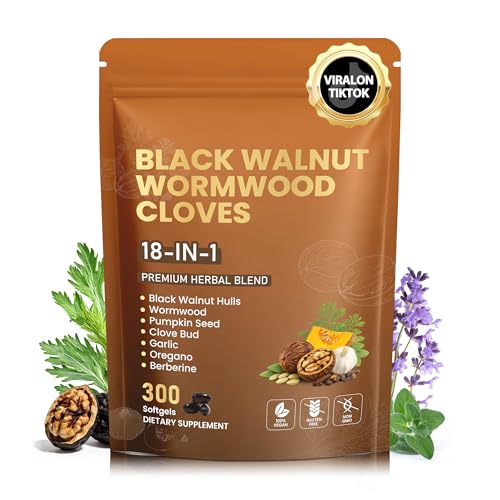
- CleanseParasites Herbal Parasite Cleanse Powder Editor’s Pick
Contains wormwood alongside black walnut hull, cloves, and other traditional parasite-cleanse herbs. - Herb Pharm Intestinal Tract Defense with Wormwood
liquid, 1 fl oz — A Herb Pharm herbal formula containing wormwood extract, not a single-herb wormwood tincture - AlchePharma Organic Wormwood Capsules
capsules, 90 vegan capsules — Single-herb organic Artemisia absinthium, non-GMO and gluten-free - Nature’s Answer Black Walnut and Wormwood Alcohol-Free Extract
liquid, 2 fl oz, 2,000 mg per serving — Alcohol-free dropper extract; a black walnut and wormwood combination, not single-herb wormwood - Frontier Co-op Wormwood Herb, Cut and Sifted
cut and sifted dried herb, 16 oz bulk bag — Bulk dried herb for traditional tea preparation, kosher certified
As an Amazon Associate we earn from qualifying purchases. Quality varies widely — always choose a product with a published third-party test (COA) before buying.

A Note on the Evidence
Wormwood contains neurotoxic thujone and is contraindicated in pregnancy, breastfeeding, and seizure disorders; it may interact with multiple drug classes. Human evidence for liver benefits is absent, so it should not replace medical diagnosis or treatment of liver disease.
Frequently Asked Questions
Does wormwood protect the liver in humans?
There are no human clinical trials evaluating wormwood for liver protection. All evidence comes from rodent studies where aqueous extracts reduced liver enzyme elevations and histological damage caused by toxins like carbon tetrachloride and acetaminophen [1][2][3].
What compounds in wormwood are responsible for liver benefits?
Sesquiterpene lactones (absinthin, artabsin), flavonoids (eupatilin), and volatile oils are thought to contribute. Eupatilin has been shown to protect against drug-induced hepatotoxicity via TLR4/MyD88/TRAF6 and NF-κB/Nrf2 pathways [5], and Artemisia extracts modulate MAPK/RAGE signaling [4].
Is wormwood safe for people with existing liver disease?
Safety in liver disease patients has not been studied. While preclinical data show hepatoprotection, the thujone content and potential for drug interactions (especially with medications metabolized by the liver) make unsupervised use risky. Medical consultation is essential.
How does wormwood differ from sweet wormwood (Artemisia annua) or Yin Chen (Artemisia capillaris)?
They are distinct species with different chemical profiles. Artemisia annua contains artemisinin (antimalarial); Artemisia capillaris (Yin Chen) is used in TCM for cholestasis and has been studied for its polysaccharides and formulas like Yin-Chen-Hao-Tang [7][8]. Wormwood (A. absinthium) is characterized by thujone and absinthin.
Can wormwood be taken with prescription medications?
Wormwood may interact with anticonvulsants (lowers seizure threshold), antidepressants, and drugs metabolized by liver CYP450 enzymes. It should not be combined with medications without physician approval.
What is a safe dosage of wormwood for liver support?
No safe or effective dosage has been established for humans. Traditional use involves short courses of low-dose preparations (e.g., tea, tincture). Modern extracts should be thujone-controlled. Self-medication for liver conditions is not advised.
References
- Gilani AH et al. Preventive and curative effects of Artemisia absinthium on acetaminophen and CCl4-induced hepatotoxicity. General pharmacology (1995). PMID 7590079
- Amat N et al. In vivo hepatoprotective activity of the aqueous extract of Artemisia absinthium L. against chemically and immunologically induced liver injuries in mice. Journal of ethnopharmacology (2010). PMID 20637853
- Saxena M et al. Reversal of carbon tetrachloride-induced hepatic injury by aqueous extract of Artemisia absinthium in Sprague-Dawley rats. Journal of environmental pathology, toxicology and oncology : official organ of the International Society for Environmental Toxicology and Cancer (2012). PMID 23394445
- Moulahoum H et al. Artemisia alleviates AGE-induced liver complications via MAPK and RAGE signaling pathways modulation: a combinatorial study. Molecular and cellular biochemistry (2022). PMID 35543857
- Alresheedi NH et al. Eupatilin protects against isotretinoin induced hepatotoxicity through immunomodulation of TLR4/MyD88/TRAF6 and NF-κB/NrF2 pathways. European journal of pharmacology (2025). PMID 40618978
- Cai J et al. Artemisia capillaris Thunb. Polysaccharide alleviates cholestatic liver injury through gut microbiota modulation and Nrf2 signaling pathway activation in mice. Journal of ethnopharmacology (2024). PMID 38447617
- Lee TY et al. Yin-Chen-Hao-Tang ameliorates obstruction-induced hepatic apoptosis in rats. The Journal of pharmacy and pharmacology (2007). PMID 17430643
- Feng X et al. Yinchen gongying decoction mitigates CCl(4)-induced chronic liver injury and fibrosis in mice implicated in inhibition of the FoxO1/TGF-β1/ Smad2/3 and YAP signaling pathways. Journal of ethnopharmacology (2024). PMID 38432576
These statements have not been evaluated by the Food and Drug Administration. This information is not intended to diagnose, treat, cure, or prevent any disease. Content is for informational purposes only and is not medical advice; consult a qualified healthcare provider before starting any supplement. As an Amazon Associate we earn from qualifying purchases.