Wormwood and sweet wormwood are both members of the Artemisia genus, both bitter, both historically used against intestinal parasites and fevers, and both easy to confuse because of the shared name. But they are different species with different dominant compounds, different evidence bases, and different safety considerations.
This article lays out what each plant actually is, what’s in it, what it’s traditionally and scientifically used for, and where the real distinctions matter, especially if you’re comparing supplements or trying to understand why one shows up in malaria treatment guidelines and the other shows up in vermouth.
Key Takeaways
- Artemisia absinthium (wormwood) and Artemisia annua (sweet wormwood) are related but chemically distinct species.
- Wormwood’s key compound concern is thujone, neurotoxic at high doses, requiring thujone-controlled, short-course use.
- Sweet wormwood’s key compound is artemisinin, the basis of a validated, guideline-recommended antimalarial drug class.
- Most human evidence for wormwood’s anti-parasitic effects is traditional or in-vitro/animal, not large clinical trials.
- Neither plant should replace medical diagnosis or treatment of a suspected parasitic infection or malaria.
Two Different Plants, One Confusing Name
Artemisia absinthium, commonly called wormwood or common wormwood, is the classic bitter herb historically used for digestive complaints, fevers, and intestinal parasites. It’s also the flavoring agent long associated with absinthe and vermouth, which is part of why it’s culturally recognizable even outside herbal medicine circles [1].
Artemisia annua, commonly called sweet wormwood or annual wormwood, is a related but distinct species. It’s native to parts of Asia and has a long history in traditional Chinese medicine for fevers, but its modern significance comes from a single compound it produces: artemisinin, which became the basis for the frontline class of antimalarial drugs used worldwide today [2][3].
Sharing a genus and a folk name doesn’t mean sharing a chemical profile or a use case. Confusing the two, especially when shopping for supplements or reading about ‘wormwood for parasites,’ can lead to real misunderstandings about what a product actually contains or does.
The Chemistry: Thujone vs. Artemisinin
Artemisia absinthium’s signature compounds are sesquiterpene lactones like absinthin and artabsin, along with a volatile oil that contains thujone [1][4]. Thujone is the compound most associated with wormwood’s reputation, both its bitter digestive-tonic tradition and its more notorious history tied to absinthe.
Artemisia annua’s defining compound is artemisinin, a completely different sesquiterpene lactone structure. Artemisinin and its derivatives are validated, guideline-recommended antimalarial drugs, a status built on large-scale clinical research and decades of pharmaceutical development, not traditional use alone [3].

This is the single most important distinction between the two plants: one contains a compound with a proposed but far less rigorously proven anti-parasitic mechanism (thujone and related sesquiterpene lactones disrupting membranes and metabolism in vitro), and the other contains a compound with an extensively validated, drug-grade mechanism against a specific parasite (the malaria parasite, Plasmodium).
Traditional and Proposed Uses
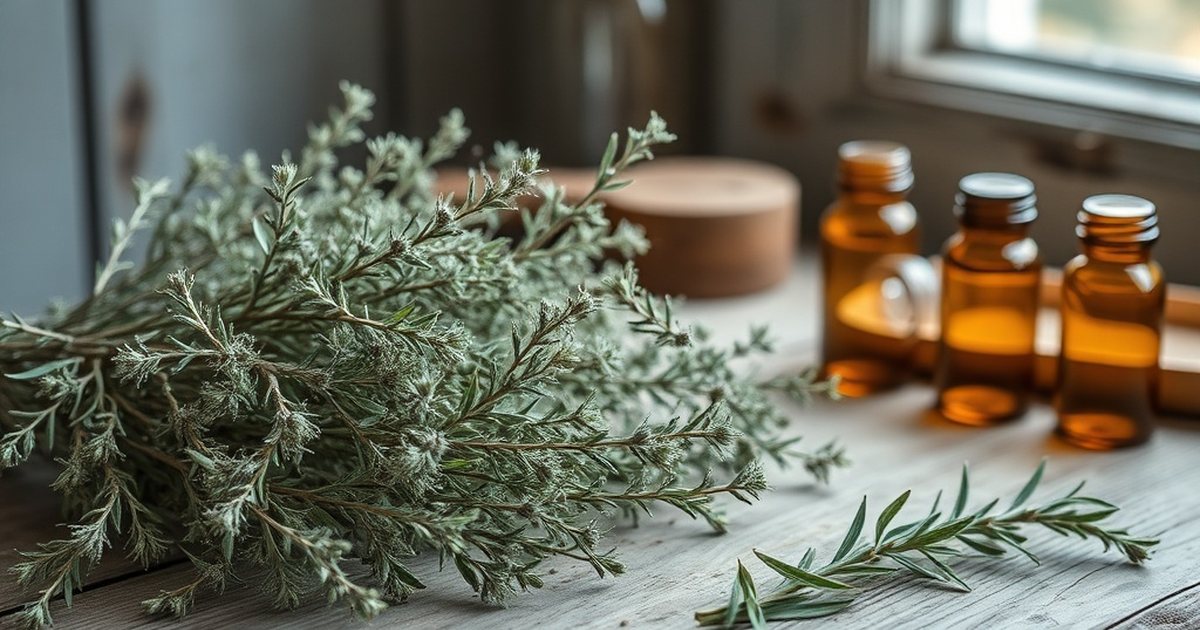
Wormwood (A. absinthium) has a long folk history as a bitter digestive tonic, a fever remedy, and an anti-parasitic, particularly against intestinal worms. Its proposed anti-parasitic mechanism is attributed to sesquiterpene lactones and volatile oil compounds that appear, in vitro, to disrupt parasite membranes and metabolism.
Sweet wormwood (A. annua) has a parallel folk history as a fever remedy in traditional Chinese medicine, which is actually how artemisinin was identified and isolated in the first place [2]. Its modern use, however, has moved almost entirely into conventional pharmaceutical medicine as a component of combination antimalarial therapies, rather than staying in the traditional-remedy space.
It’s worth being clear-eyed here: most human evidence for wormwood’s anti-parasitic effects comes from traditional use and in-vitro or animal studies, not large randomized controlled trials [4][5]. Artemisinin’s antimalarial role, by contrast, rests on a much deeper and more rigorous evidence base specific to malaria, not to intestinal parasites generally.
Safety: Why the Two Plants Are Not Interchangeable
Wormwood’s thujone content is the key safety concern. Thujone is neurotoxic and can trigger seizures at high doses or with prolonged use, which is why extracts intended for consumption should be thujone-controlled and used only for short courses, not as an ongoing supplement [6][7][8].
Wormwood is contraindicated in pregnancy and breastfeeding, and it can interact with anticonvulsants, antidepressants, and other drugs metabolized by the liver. Anyone on these medications, or anyone considering more than a brief course, should talk to a doctor first.
Sweet wormwood’s artemisinin derivatives have their own distinct safety profile and dosing requirements as pharmaceutical antimalarials, which is a separate conversation from wormwood’s thujone-related risks. The two plants should not be treated as interchangeable or substituted for one another based on the shared genus name.

What This Means If You're Choosing a Supplement
If a product is labeled simply ‘wormwood’ or ‘Artemisia,’ check which species it actually lists on the label, Artemisia absinthium or Artemisia annua, since the expected compounds, mechanisms, and safety profile differ meaningfully between them.
Neither plant should replace medical diagnosis or treatment of a suspected parasitic infection. If you suspect you have intestinal parasites or malaria, that’s a diagnosis and treatment decision for a doctor, not a supplement aisle decision.
For general digestive or bitter-tonic use, thujone-controlled, short-course wormwood extracts are the traditional approach, with the safety caveats above in mind. For anything related to malaria specifically, artemisinin-based combination therapies are the established medical treatment, not a supplement.
🛒 Where to Buy Wormwood (Artemisia absinthium)
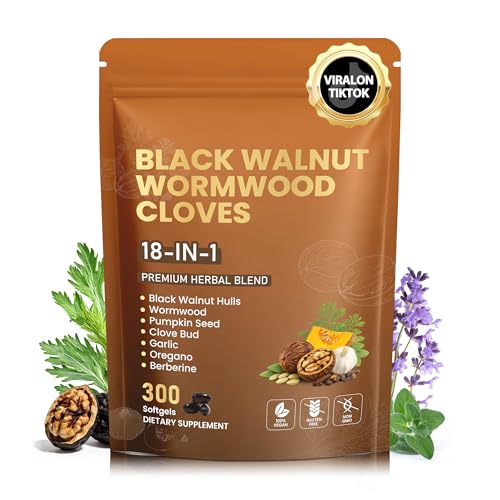
- CleanseParasites Herbal Parasite Cleanse Powder Editor’s Pick
Contains wormwood alongside black walnut hull, cloves, and other traditional parasite-cleanse herbs. - Herb Pharm Intestinal Tract Defense with Wormwood
liquid, 1 fl oz — A Herb Pharm herbal formula containing wormwood extract, not a single-herb wormwood tincture - AlchePharma Organic Wormwood Capsules
capsules, 90 vegan capsules — Single-herb organic Artemisia absinthium, non-GMO and gluten-free - Nature’s Answer Black Walnut and Wormwood Alcohol-Free Extract
liquid, 2 fl oz, 2,000 mg per serving — Alcohol-free dropper extract; a black walnut and wormwood combination, not single-herb wormwood - Frontier Co-op Wormwood Herb, Cut and Sifted
cut and sifted dried herb, 16 oz bulk bag — Bulk dried herb for traditional tea preparation, kosher certified
As an Amazon Associate we earn from qualifying purchases. Quality varies widely — always choose a product with a published third-party test (COA) before buying.
A Note on the Evidence
This article is informational, not medical advice; wormwood’s human evidence base is largely traditional and preclinical, it carries real thujone-related risks and drug interactions, and a suspected parasitic infection or malaria should always be evaluated and treated by a doctor rather than with either plant.
Frequently Asked Questions
Is wormwood the same as sweet wormwood?
No. They’re related Artemisia species but different plants with different dominant compounds, thujone in wormwood (Artemisia absinthium) versus artemisinin in sweet wormwood (Artemisia annua).
Which one is used to treat malaria?
Artemisinin, derived from Artemisia annua (sweet wormwood), is the basis of validated frontline antimalarial drugs. Artemisia absinthium (common wormwood) is not used this way.
Is wormwood safe to take regularly?
No. Wormwood contains thujone, which is neurotoxic and can trigger seizures at high doses or with prolonged use, so it should be thujone-controlled and limited to short courses.
Can wormwood interact with medications?
Yes. Wormwood can interact with anticonvulsants, antidepressants, and drugs metabolized by the liver, so anyone on these medications should consult a doctor before use.
Is there strong clinical evidence that wormwood kills intestinal parasites in humans?
Most evidence for wormwood’s anti-parasitic effects comes from traditional use and in-vitro or animal studies rather than large randomized controlled trials in humans.
Should I use wormwood if I'm pregnant or breastfeeding?
No. Wormwood is contraindicated in pregnancy and breastfeeding due to its thujone content and neurotoxic risk.
References
- Szopa A et al. Artemisia absinthium L.-Importance in the History of Medicine, the Latest Advances in Phytochemistry and Therapeutical, Cosmetological and Culinary Uses. Plants (Basel, Switzerland) (2020). PMID 32825178
- Tu Y The discovery of artemisinin (qinghaosu) and gifts from Chinese medicine. Nature medicine (2011). PMID 21989013
- Daily JP et al. Diagnosis, Treatment, and Prevention of Malaria in the US: A Review. JAMA (2022). PMID 35916842
- Batiha GE et al. Bioactive Compounds, Pharmacological Actions, and Pharmacokinetics of Wormwood (Artemisia absinthium). Antibiotics (Basel, Switzerland) (2020). PMID 32585887
- Boyko O et al. Anthelmintic Activity of Traditional Medicinal Plants Used in Europe. Biology (2025). PMID 41463411
- Höld KM et al. Alpha-thujone (the active component of absinthe): gamma-aminobutyric acid type A receptor modulation and metabolic detoxification. Proceedings of the National Academy of Sciences of the United States of America (2000). PMID 10725394
- Pelkonen O et al. Thujone and thujone-containing herbal medicinal and botanical products: toxicological assessment. Regulatory toxicology and pharmacology : RTP (2013). PMID 23201408
- Lachenmeier DW Wormwood (Artemisia absinthium L.)–a curious plant with both neurotoxic and neuroprotective properties?. Journal of ethnopharmacology (2010). PMID 20542104
These statements have not been evaluated by the Food and Drug Administration. This information is not intended to diagnose, treat, cure, or prevent any disease. Content is for informational purposes only and is not medical advice; consult a qualified healthcare provider before starting any supplement. As an Amazon Associate we earn from qualifying purchases.
