Wormwood, Artemisia absinthium, has a long history as a bitter digestive herb, used in traditional preparations meant to stimulate appetite, support digestion, and ‘cleanse’ the liver. It’s the same plant that flavors absinthine liqueurs and vermouth, and it’s often lumped together in casual conversation with its more famous relative, Artemisia annua (sweet wormwood), the source of the antimalarial drug artemisinin. These are different plants with different chemistry, and that distinction matters here.
This article looks specifically at what’s been studied about wormwood and the liver and gallbladder. Most of that research is preclinical, animal or cell-based studies rather than human trials, and some of the liver-related evidence often discussed alongside wormwood actually comes from a different Artemisia species entirely. We’ll walk through what’s real, what’s traditional lore, and where the lines get blurry.
Key Takeaways
- Wormwood (Artemisia absinthium) has a long traditional history as a digestive bitter believed to support liver and bile function, but human clinical evidence for this is lacking.
- The strongest available research is preclinical: aqueous extracts protected liver tissue in mice and rats exposed to toxins [1] [2], and extracts suppressed liver cancer cells in vitro [3].
- The classic ‘gallbladder/choleretic’ effect and the newer scoparone liver research are studies of Artemisia capillaris, a different plant, not wormwood, and shouldn’t be conflated.
- Poor bioavailability may limit how much of wormwood’s active compounds standard extracts actually deliver [4].
- Thujone content makes wormwood a short-course, thujone-controlled herb at most, not a daily long-term liver supplement, and it’s contraindicated in pregnancy, breastfeeding, and with certain medications.
The Traditional Claim: A Bitter for Liver and Bile
In herbal tradition, wormwood is classified as a ‘bitter,’ a category of plants believed to stimulate digestive secretions, including bile flow, simply by their intensely bitter taste hitting receptors in the mouth and gut. This is the traditional rationale for using wormwood around meals: to support bile release from the gallbladder and aid fat digestion. The historical and ethnobotanical record for this use is extensive [5], but historical use is not the same as demonstrated pharmacological effect in humans.
It’s worth being precise about what ‘gallbladder support’ would even mean pharmacologically: a compound that increases bile production (choleretic) or promotes bile release from the gallbladder (cholagogue). Wormwood itself has been measured against that definition, though thinly. In rats, an aqueous wormwood extract improved choleretic activity, increasing bile flow and bile solids and stimulating bile secretion [2]. A 1975 German clinical paper examined wormwood’s effect on bile and pancreatic juice secretion in people [6], but PubMed carries no abstract for it, so its dose, design and results cannot be verified from the record. What does not exist is a modern controlled human trial measuring gallbladder emptying after wormwood.

What's Actually Been Studied: Wormwood and Liver Cells
The stronger and more direct evidence for Artemisia absinthium concerns the liver, not the gallbladder specifically. In mouse models, an aqueous extract of wormwood reduced liver injury caused by both chemical toxins and immune-triggered damage, suggesting a protective effect on liver tissue under stress [1]. A separate study in rats found that wormwood extract reversed liver injury induced by carbon tetrachloride, a classic chemical model used to study hepatotoxicity and test protective compounds [2].
At the cellular level, extracts of Artemisia absinthium have also been shown to suppress the growth of hepatocellular carcinoma (liver cancer) cells in vitro, triggering cell death through endoplasmic reticulum stress and mitochondrial pathways [3]. This is laboratory cell-culture work, not evidence that wormwood treats or prevents liver cancer in people, but it does point to biologically active compounds in the plant that affect liver cell physiology.
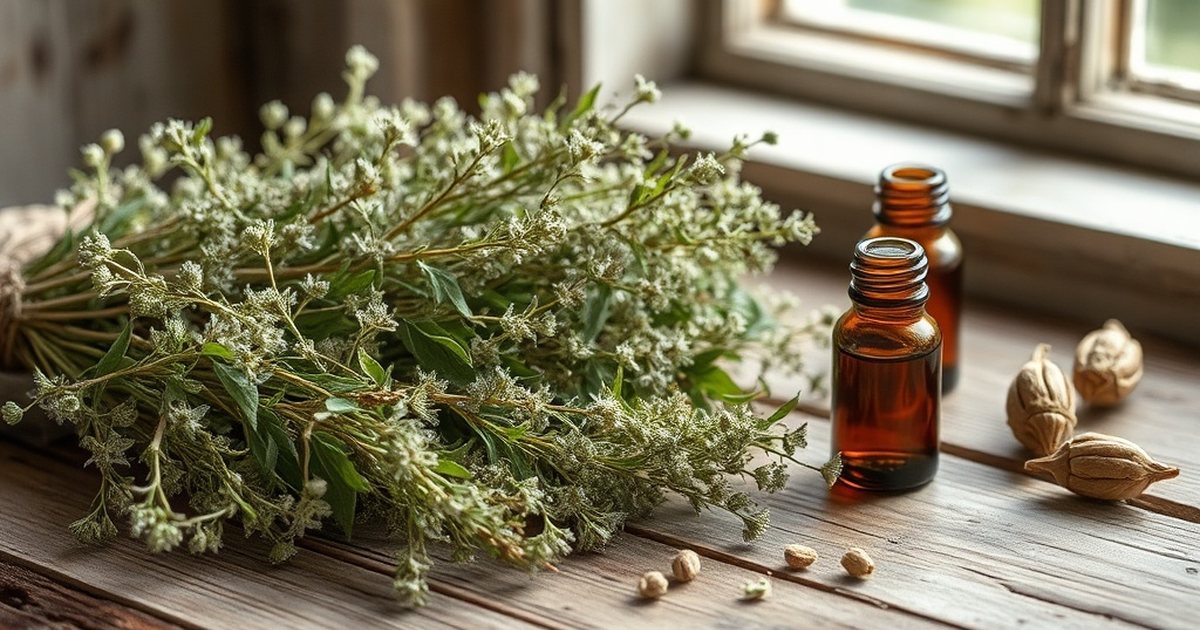
A broader pharmacology review catalogs wormwood’s bioactive compounds, including sesquiterpene lactones and essential oil constituents, and their proposed mechanisms of action, while also noting the plant’s pharmacokinetic profile is still not well characterized in humans [7].
The Bioavailability Problem
One practical obstacle to any of wormwood’s proposed liver benefits translating into a usable supplement is that its key compounds may not be well absorbed. Researchers have specifically worked on a nanosuspension delivery system for Artemisia absinthium extract, designed to improve its bioavailability and enhance the hepatoprotective potential seen in animal models [4]. The fact that researchers are engineering new delivery systems to improve absorption is itself a signal that standard oral extracts (teas, tinctures, capsules) may deliver less of the active compounds to the liver than lab studies would suggest.

Important Distinction: Wormwood vs. Its Artemisia Cousins
This is where labeling and marketing tend to get sloppy, and where extra caution is warranted. Several of the most compelling liver-related studies discussed in connection with ‘wormwood’ actually involve a different plant, Artemisia capillaris (known as yin chen in Chinese medicine), or its isolated compound scoparone, not Artemisia absinthium (true wormwood).
For example, the choleretic (bile-stimulating) effect that most closely matches the traditional ‘gallbladder support’ claim was demonstrated with Artemisia capillaris extract in rats, not wormwood [8]. Similarly, a substantial body of newer research on scoparone, a coumarin compound found in Artemisia capillaris, shows it may help regulate liver fat metabolism in models of metabolic dysfunction-associated steatotic liver disease [9], reduce liver fibrosis by promoting a specific form of cell death in liver stellate cells [10], and has a broader pharmacological and pharmacokinetic profile summarized in dedicated reviews [11]. Scoparone has also been studied for effects outside the liver, including vascular inflammation [12] and neuropsychopharmacological activity in mice [13].
None of this scoparone or Artemisia capillaris research should be presented as evidence for Artemisia absinthium (wormwood). They are related genus-mates, similar to how Artemisia annua’s artemisinin is a completely different compound from wormwood’s thujone, but they are not interchangeable, and a supplement labeled ‘wormwood’ does not contain scoparone or deliver Artemisia capillaris’s studied effects.
Why Thujone Changes the Risk Calculus
Any discussion of wormwood for internal use has to account for thujone, a naturally occurring compound in the plant that is neurotoxic at high doses or with prolonged use, and has been linked to seizures. This is a major reason why commercial wormwood products, where regulated, are typically required to be thujone-controlled or thujone-free, and why traditional ‘wormwood tea for the liver’ taken regularly over weeks is a genuinely different risk profile than a short, controlled course of a standardized extract.
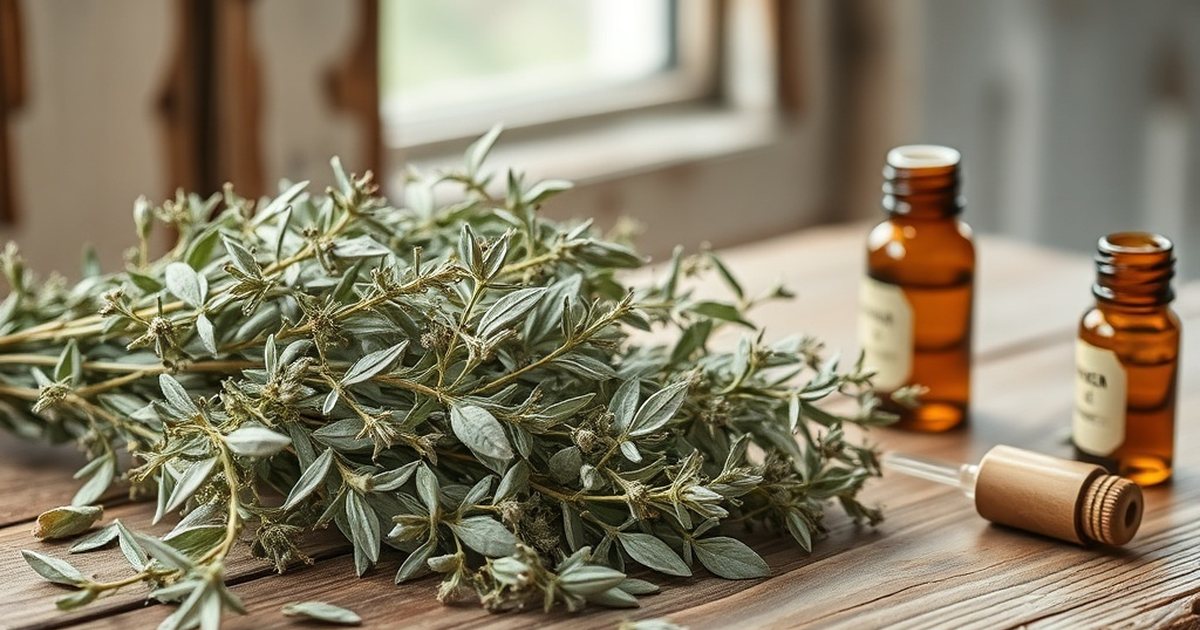
Because the animal studies showing hepatoprotective effects used specific extracts and doses under controlled conditions [1] [2], they don’t tell us what a safe, effective dose looks like for a person drinking wormwood tea or taking an unregulated tincture at home.
🛒 Where to Buy Wormwood (Artemisia absinthium)
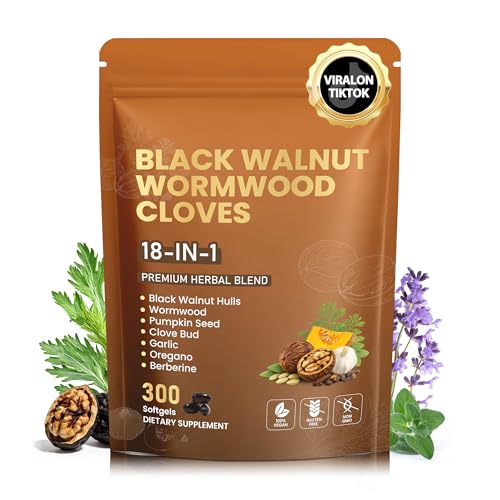
- CleanseParasites Herbal Parasite Cleanse Powder Editor’s Pick
Contains wormwood alongside black walnut hull, cloves, and other traditional parasite-cleanse herbs. - Herb Pharm Intestinal Tract Defense with Wormwood
liquid, 1 fl oz — A Herb Pharm herbal formula containing wormwood extract, not a single-herb wormwood tincture - AlchePharma Organic Wormwood Capsules
capsules, 90 vegan capsules — Single-herb organic Artemisia absinthium, non-GMO and gluten-free - Nature’s Answer Black Walnut and Wormwood Alcohol-Free Extract
liquid, 2 fl oz, 2,000 mg per serving — Alcohol-free dropper extract; a black walnut and wormwood combination, not single-herb wormwood - Frontier Co-op Wormwood Herb, Cut and Sifted
cut and sifted dried herb, 16 oz bulk bag — Bulk dried herb for traditional tea preparation, kosher certified
As an Amazon Associate we earn from qualifying purchases. Quality varies widely — always choose a product with a published third-party test (COA) before buying.

A Note on the Evidence
Most evidence here comes from animal and cell studies, not human trials, and some frequently cited ‘wormwood liver’ research is actually about a different Artemisia species. Wormwood contains neurotoxic thujone, is contraindicated in pregnancy and breastfeeding, can interact with anticonvulsants and other medications, and should not replace medical diagnosis or treatment of liver or gallbladder disease. This is informational only, not medical advice.
Frequently Asked Questions
Does wormwood detox the liver?
There’s no evidence wormwood ‘detoxes’ the liver in the way that phrase is often marketed. Animal studies show a wormwood extract reduced measurable liver injury from toxins [1] [2], which is different from a general detox claim in humans, which hasn’t been tested.
Is wormwood good for the gallbladder specifically?
The choleretic (bile-stimulating) study often cited for this claim was actually done with Artemisia capillaris, a related but different plant, not wormwood [8]. Wormwood itself has been looked at: a rat study reported increased bile flow and bile secretion [2], and a 1975 German paper examined bile and pancreatic secretion in people [6], though PubMed carries no abstract for it. What is missing is a modern controlled human trial of gallbladder emptying.
What's the difference between wormwood and the 'liver herb' scoparone I've read about?
Scoparone is a compound isolated from Artemisia capillaris (yin chen), not from Artemisia absinthium (wormwood). Scoparone research on fatty liver disease [9] and liver fibrosis [10] doesn’t apply to wormwood products.

Can wormwood help with fatty liver or liver fibrosis?
Not based on wormwood-specific evidence. The fatty liver and fibrosis studies behind that claim involve scoparone, a compound from other Artemisia species [9] [10], not wormwood.
Is wormwood safe to take regularly?
It shouldn’t be. Thujone in wormwood is neurotoxic at high doses or with prolonged use and can trigger seizures, so extracts should be thujone-controlled and used for short courses only, not daily long-term use.
Should I use wormwood instead of seeing a doctor for liver or gallbladder symptoms?
No. Symptoms suggesting liver or gallbladder problems, such as pain, jaundice, or persistent digestive issues, need medical evaluation. The evidence for wormwood is preclinical and doesn’t support it as a treatment for diagnosed liver or gallbladder conditions.
References
- Amat N et al. In vivo hepatoprotective activity of the aqueous extract of Artemisia absinthium L. against chemically and immunologically induced liver injuries in mice. Journal of ethnopharmacology (2010). PMID 20637853
- Saxena M et al. Reversal of carbon tetrachloride-induced hepatic injury by aqueous extract of Artemisia absinthium in Sprague-Dawley rats. Journal of environmental pathology, toxicology and oncology : official organ of the International Society for Environmental Toxicology and Cancer (2012). PMID 23394445
- Wei X et al. The Extracts of Artemisia absinthium L. Suppress the Growth of Hepatocellular Carcinoma Cells through Induction of Apoptosis via Endoplasmic Reticulum Stress and Mitochondrial-Dependent Pathway. Molecules (Basel, Switzerland) (2019). PMID 30841648
- Jahan N et al. Development of Nanosuspension of Artemisia absinthium Extract as Novel Drug Delivery System to Enhance Its Bioavailability and Hepatoprotective Potential. Journal of functional biomaterials (2023). PMID 37623677
- Szopa A et al. Artemisia absinthium L.-Importance in the History of Medicine, the Latest Advances in Phytochemistry and Therapeutical, Cosmetological and Culinary Uses. Plants (Basel, Switzerland) (2020). PMID 32825178
- Baumann IC et al. [Studies on the effects of wormwood (Artemisia absinthium L.) on bile and pancreatic juice secretion in man]. Zeitschrift fur Allgemeinmedizin (1975). PMID 1224644
- Batiha GE et al. Bioactive Compounds, Pharmacological Actions, and Pharmacokinetics of Wormwood (Artemisia absinthium). Antibiotics (Basel, Switzerland) (2020). PMID 32585887
- Okuno I et al. Choleretic effect of Artemisia capillaris extract in rats. Japanese journal of pharmacology (1981). PMID 7311175
- Guo K et al. Scoparone ameliorates metabolic dysfunction-associated steatotic liver disease by regulating the miR-3073a-3p/CAMKK2 axis. Journal of ethnopharmacology (2026). PMID 41933743
- Sun Y et al. YTHDF2-orchestrated m(6)A methylation of BECN1 induces Scoparone-mediated hepatic stellate cell ferroptosis to attenuate liver fibrosis. Phytomedicine : international journal of phytotherapy and phytopharmacology (2026). PMID 41655543
- Hui Y et al. Scoparone as a therapeutic drug in liver diseases: Pharmacology, pharmacokinetics and molecular mechanisms of action. Pharmacological research (2020). PMID 32877694
- Luo S et al. Scoparone alleviates aortic aneurysm formation by inhibiting smooth muscle cell phenotypic switching and inflammation via mTOR suppression. Journal of ethnopharmacology (2025). PMID 40490231
- Kowalczyk J et al. Neuropsychopharmacological profiling of scoparone in mice. Scientific reports (2022). PMID 35039558
These statements have not been evaluated by the Food and Drug Administration. This information is not intended to diagnose, treat, cure, or prevent any disease. Content is for informational purposes only and is not medical advice; consult a qualified healthcare provider before starting any supplement. As an Amazon Associate we earn from qualifying purchases.