Wormwood (Artemisia absinthium) has a long history of use as a bitter digestive tonic, vermouth flavoring, and traditional anti-parasitic herb. Its therapeutic reputation rests largely on sesquiterpene lactones such as absinthin and artabsin, along with a volatile oil fraction that contains the monoterpene thujone — a compound that is neurotoxic at high doses and imposes strict limits on how wormwood products are manufactured and used.
As demand for botanical ingredients grows, the distinction between wildcrafted (wild-harvested) and cultivated wormwood has become a practical quality question. Growing environment, harvest timing, genetics, and post-harvest handling all influence the balance of desirable bitter principles against thujone content, creating meaningful differences in safety, consistency, and regulatory compliance that buyers and formulators need to understand.
Key Takeaways
- Wildcrafted wormwood offers genetic diversity but wider variability in thujone and bitter lactone content, with wild populations differing significantly in essential oil content and separating into distinct chemotypes including a thujone chemotype[1]; selecting cultivated low-thujone chemotypes is the standard route to greater batch consistency.
- Thujone is the critical safety marker[2]. Regulatory thujone limits apply to food and beverage use rather than to dietary supplements[3], so lot-level GC verification is a specification the buyer has to write in and confirm on the CoA, not something regulation performs on their behalf.
- Harvest at early flowering, rapid controlled drying, and leaf-rich plant parts optimize the absinthin-to-thujone ratio.
- Cultivated supply chains generally offer better traceability, contaminant control, and sustainability assurance.
- Buyers should require full CoAs (bitter value, oil content, thujone, microbes, heavy metals, pesticides) tied to lot-specific documentation.
Botanical Identity and the Risk of Adulteration
Artemisia absinthium (common wormwood) must be distinguished from its close relative Artemisia annua (sweet wormwood), the source of the antimalarial drug artemisinin. The two species differ markedly in chemistry: A. absinthium is characterized by absinthin, artabsin, and a thujone-rich essential oil, whereas A. annua contains artemisinin and very little thujone. Misidentification or deliberate substitution can lead to products with unexpected pharmacological profiles and safety risks.
Wildcrafted material carries a higher risk of accidental co-collection of non-target Artemisia species, especially in regions where multiple species grow sympatrically. Cultivated crops, when established from authenticated planting stock and managed under good agricultural and collection practices (GACP), offer tighter taxonomic control. For buyers, verification through botanical voucher specimens and species-specific analytical markers (e.g., absinthin vs. artemisinin) is essential regardless of sourcing method.
Environmental Influences on Phytochemical Profile
The concentration of sesquiterpene lactones and volatile oil constituents in wormwood is highly responsive to environmental factors. Altitude, soil composition, water availability, sun exposure, and temperature fluctuations all modulate secondary metabolism. Wild populations growing in harsh, nutrient-poor soils at higher elevations often produce higher levels of bitter lactones as a stress response, but they may also accumulate more thujone in the essential oil fraction.

Cultivated wormwood allows growers to standardize these variables: irrigation, fertilization, planting density, and harvest timing can be managed to target a desired phytochemical window. For example, harvesting at early flowering typically maximizes absinthin content while keeping thujone within acceptable limits. However, over-fertilization or excessive irrigation can dilute bitter principles and alter oil composition, so cultivation still requires careful agronomic oversight.
Thujone Variability and Regulatory Limits
Thujone (alpha- and beta-thujone) is the primary safety concern for wormwood products. It is a GABA-A receptor antagonist that can cause seizures and neurotoxicity at high doses. The EU sets thujone limits for beverages rather than for foods generally: 10 mg/kg in alcoholic beverages except those produced from Artemisia species, 35 mg/kg in alcoholic beverages produced from them, and 0.5 mg/kg in non-alcoholic Artemisia beverages[4]. The US sets no numeric limit at all; its rule is that the finished food must be thujone free[3]. These limits make batch-to-batch consistency critical.

Wildcrafted wormwood tends to show wider thujone variability because each harvest reflects the unique microclimate and genetic diversity of the source population. Cultivated wormwood, especially from selected chemotypes bred for low thujone/high absinthin ratios, can deliver more predictable results. Nevertheless, even cultivated batches require analytical verification (GC-MS or GC-FID) for thujone content before release, as seasonal weather anomalies can shift oil profiles.
Harvest Timing, Plant Part, and Post-Harvest Handling
The aerial parts (leaves and flowering tops) are the official drug material in most pharmacopeias. The ratio of leaf to stem, and the phenological stage at harvest, directly affect the absinthin-to-thujone balance. Early flowering is generally preferred for maximal bitter lactone content; late harvests increase stem proportion and can elevate thujone levels in the oil.
Wildcrafted harvests are often dictated by access and seasonality rather than optimal phenology, leading to inconsistent plant-part ratios. Cultivated operations can schedule harvests precisely and use mechanical or standardized hand-harvesting to maintain consistent leaf-to-stem ratios. Post-harvest, rapid drying at controlled temperatures (typically 35–40°C) preserves volatile oil and prevents degradation of heat-labile sesquiterpene lactones. Poor drying — common in informal wildcrafting — can cause significant losses of both quality markers and safety-relevant compounds.

Contaminants, Sustainability, and Traceability
Wildcrafted wormwood may be exposed to environmental contaminants: heavy metals from mineralized soils, pesticide drift from adjacent agriculture, or microbial contamination from soil contact during harvest. Without controlled growing conditions, these risks are harder to mitigate. Cultivated wormwood grown under GACP includes soil testing, water quality monitoring, and controlled input use, reducing contaminant risk.
Sustainability is another differentiator. Over-harvesting of wild populations can threaten local stands, especially in regions where wormwood is not abundant. Cultivation removes pressure on wild populations and enables long-term supply agreements. Traceability — from seed or cutting source through harvest, drying, and processing — is inherently stronger in cultivated supply chains, supporting quality audits and regulatory compliance.
Analytical Quality Markers for Buyers
Regardless of sourcing method, qualified wormwood material should be evaluated against a defined specification. Key analytical markers include: total bitter value (spectrophotometric or HPLC quantification of absinthin/artabsin), essential oil content (v/w), thujone content (alpha + beta, by GC), loss on drying, total ash, acid-insoluble ash, and microbial limits (USP <2021>/<2022> or Ph. Eur. 5.1.4). Heavy metals (Pb, Cd, As, Hg) and pesticide residues (per USP <561> or EU 396/2005) should also be verified.
Certificates of analysis (CoAs) from accredited third-party labs, linked to specific lot numbers, are the minimum due diligence. For wildcrafted material, buyers should additionally request collection area maps, harvest dates, and botanical authentication records. For cultivated material, GACP/GMP documentation, chemotype certification, and stability data strengthen confidence in batch consistency.
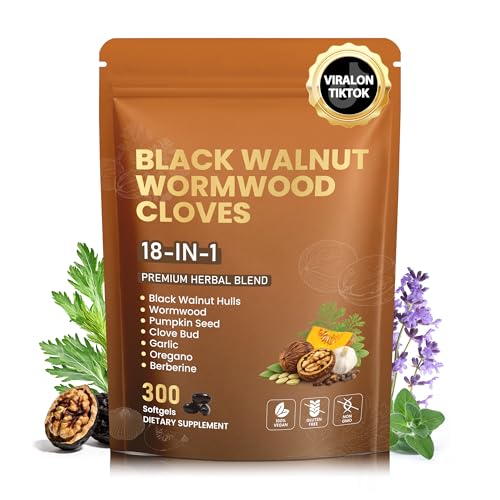
🛒 Where to Buy Wormwood (Artemisia absinthium)
- CleanseParasites Herbal Parasite Cleanse Powder Editor’s Pick
Contains wormwood alongside black walnut hull, cloves, and other traditional parasite-cleanse herbs. - Herb Pharm Intestinal Tract Defense with Wormwood
liquid, 1 fl oz — A Herb Pharm herbal formula containing wormwood extract, not a single-herb wormwood tincture - AlchePharma Organic Wormwood Capsules
capsules, 90 vegan capsules — Single-herb organic Artemisia absinthium, non-GMO and gluten-free - Nature’s Answer Black Walnut and Wormwood Alcohol-Free Extract
liquid, 2 fl oz, 2,000 mg per serving — Alcohol-free dropper extract; a black walnut and wormwood combination, not single-herb wormwood - Frontier Co-op Wormwood Herb, Cut and Sifted
cut and sifted dried herb, 16 oz bulk bag — Bulk dried herb for traditional tea preparation, kosher certified
As an Amazon Associate we earn from qualifying purchases. Quality varies widely — always choose a product with a published third-party test (COA) before buying.
A Note on the Evidence
Wormwood contains thujone, a neurotoxin that can cause seizures at high doses; products must be thujone-controlled and used only in short courses. It is contraindicated in pregnancy, breastfeeding, and with anticonvulsants or hepatically metabolized drugs. Human evidence for anti-parasitic effects is limited to traditional use and in-vitro/animal data — wormwood should not replace medical diagnosis or treatment of suspected parasitic infections. This information is educational, not medical advice.
Frequently Asked Questions
Is wildcrafted wormwood more potent than cultivated?
Not necessarily. Wild plants may produce higher bitter lactone levels under stress, but thujone can also be higher and less predictable. Cultivated low-thujone chemotypes can deliver consistent potency with a wider safety margin.
How can I tell if wormwood is adulterated with Artemisia annua?
Species-specific HPLC or LC-MS testing for marker compounds: absinthin/artabsin indicate A. absinthium; artemisinin indicates A. annua. Botanical authentication of voucher specimens at harvest is the first line of defense.
What thujone limit should I specify for wormwood extract?
Limits depend on the finished product category and jurisdiction, and none of them is a concentration limit on the dried herb. The EU limits are per beverage category: 10 mg/kg in alcoholic beverages except those produced from Artemisia species, 35 mg/kg in alcoholic beverages produced from them, and 0.5 mg/kg in non-alcoholic Artemisia beverages[4]. For herbal medicinal products the operative ceiling is on daily intake rather than on concentration: EMA/HMPC caps wormwood herb preparations at 3 mg of thujone per person per day for a maximum of two weeks[5]. Set your specification from the pathway and the dose, not from a herb-level number.
Does organic certification guarantee low thujone?
No. Organic certification addresses production inputs (no synthetic pesticides/fertilizers) but does not control genetic chemotype, harvest timing, or thujone content. Analytical testing for thujone is still required.
Can wormwood be used long-term as a digestive bitter?
Traditional use involves short courses (2–4 weeks). Prolonged use increases cumulative thujone exposure and seizure risk. Thujone-controlled extracts and defined treatment durations are essential; consult a qualified healthcare provider.
What drying method best preserves wormwood quality?
Shade or forced-air drying at 35–40°C to a final moisture content of 8–10% preserves volatile oil and sesquiterpene lactones. Sun-drying or high-temperature drying degrades both quality and safety markers.
References
- Kosakowska O et al. Intraspecific Variability of Wormwood (Artemisia absinthium L.) Occurring in Poland in Respect of Developmental and Chemical Traits. Molecules (Basel, Switzerland) (2025). PMID 40733181
- Pelkonen O et al. Thujone and thujone-containing herbal medicinal and botanical products: toxicological assessment. Regulatory toxicology and pharmacology : RTP (2013). PMID 23201408
- 21 CFR 172.510, Natural flavoring substances and natural substances used in conjunction with flavors. Part 172, Food Additives Permitted for Direct Addition to Food for Human Consumption. U.S. Food and Drug Administration. eCFR
- Regulation (EC) No 1334/2008 of the European Parliament and of the Council on flavourings, Annex III Part B (maximum levels of thujone in compound food as consumed). EUR-Lex
- Committee on Herbal Medicinal Products (HMPC). Public statement on the use of herbal medicinal products containing thujone, EMA/HMPC/732886/2010. European Medicines Agency. EMA public statement (PDF)
These statements have not been evaluated by the Food and Drug Administration. This information is not intended to diagnose, treat, cure, or prevent any disease. Content is for informational purposes only and is not medical advice; consult a qualified healthcare provider before starting any supplement. As an Amazon Associate we earn from qualifying purchases.